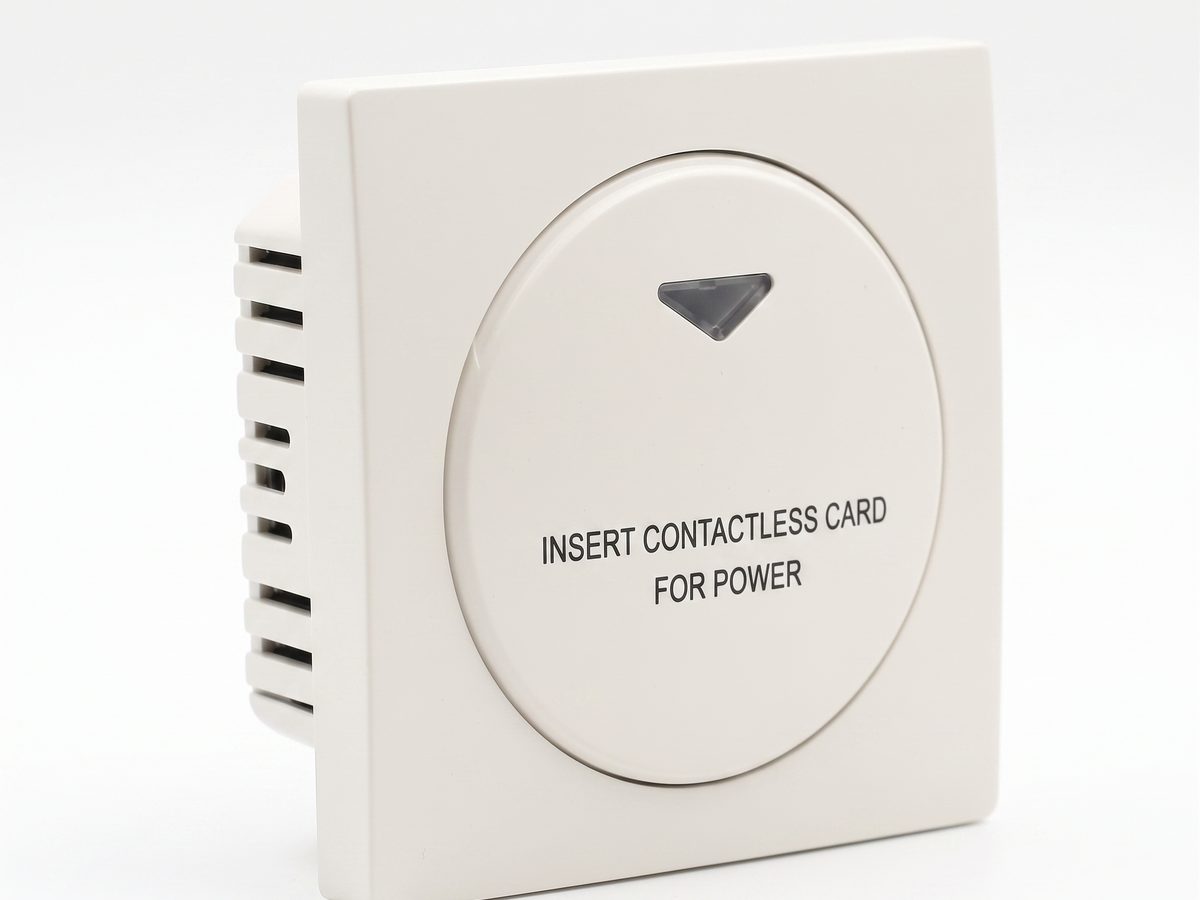
产品Key Card SwitchesGuest Room Power Control
酒店取电开关 — 客房电源智能控制方案
酒店取电开关实现客房电源智能控制。RFID/IC卡识别,插卡取电,拔卡延时断电。220V交流,10A-16A,RS485或干接点。CE RoHS认证。OEM/ODM源头供应商。
为什么推荐这一步
当前页面已经把它作为下一步推荐内容直接指向。
更适合使用 中文?我们会保留当前页面上下文,只在您确认后切换。
配套酒店取电开关与接触器的协同方案,通过明确的安装与负载筛选流程,控制客房大电流回路。
配套酒店取电开关与接触器的协同方案,通过明确的安装与负载筛选流程,控制客房大电流回路。
墙装取电开关旨在检测客人卡片并输出控制信号,并非自动适用于直接承载所有客房负载。接触器让项目得以采用紧凑的用户界面,同时切换按电压、电流及电气特性选定的回路。
这种分离适用于空调、照明、插座需求各异的客房。同时也给电气承包商提供了清晰的检查、标识与维护受控回路的节点。KeyCardSwitch 工程团队协助买家定义配对方案;安装与最终合规仍由具备资质的现场承包商负责。
从回路清单入手,而非仅凭房间数量。确认供电电压、正常工作电流、启动/浪涌电流、负载类型、切换频率,以及是否为单相或其他配置。空调设备、风机、照明驱动器、便利插座各自可能呈现不同的切换工况。
接触器应按合适额定值选型,并配备适配的外壳或安装位置。确认线圈参数、接线端子访问性、导线规格、散热条件与维护间距。取电开关亦须适配墙盒并提供所需控制输出。完整的物料清单应注明哪些客房回路受控、哪些长期供电。
应从客人视角测试操作序列。插卡应启用预设客房功能;拔卡应触发约定的关断行为,含保护客人舒适度或设备的延时。再次插卡应一致恢复运行。验收测试中应考虑员工卡、服务流程与维护隔离。
样间安装是验证开关-接触器组合最高效的方式。使用具有代表性的房间、通用墙盒与典型负载。请电气承包商核对接线端子与保护装置。随后测试正常运行、反复插拔卡循环、设备重启、断电后恢复行为。
针对多种房型的项目,应建立简明配置矩阵,而非假设单一组件适配所有房间。矩阵可列出房型、取电开关型号、接触器型号、受控回路、面板、数量。这为采购与安装团队提供统一参考。
如需获取推荐,请提供房间数量、目的地、供电电压、最大负载电流、负载类型、读卡技术、墙盒尺寸,以及可用的回路图。现有配电箱与开关照片会有帮助。说明项目是新装、替换还是分期改造。
KeyCardSwitch 工程团队将评估信息,并返回拟定的开关-接触器配置、样间计划与物料清单。目的非过度指定硬件,而是打造可一致安装、维护的客房供电组件。负载清单就绪时请联系团队。
A wall-mounted card switch is designed to detect the guest card and provide a control signal. It is not automatically the correct device to carry every room load directly. A contactor allows the project to use a compact user interface while switching a circuit selected for its voltage, current, and electrical behavior.
This separation is useful for hotel rooms where air-conditioning, lighting, and outlets have different requirements. It also gives the electrical contractor a clear point at which to inspect, label, and service the controlled circuit. KeyCardSwitch Engineering Team helps buyers define the pairing; installation and final compliance remain the responsibility of the qualified site contractor.
Start with the circuit schedule, not a nominal room count. Identify the supply voltage, normal operating current, starting or inrush current, load type, switching frequency, and whether the circuit is single-phase or otherwise configured. Air-conditioning equipment, fans, lighting drivers, and convenience outlets can each present different switching conditions.
The contactor should be selected with appropriate ratings and a suitable enclosure or mounting location. Confirm coil requirements, terminal access, conductor size, heat dissipation, and service clearance. The card switch must also fit the wall box and provide the required control output. A complete bill of materials should state which room circuits are controlled and which remain permanently supplied.
The operating sequence should be tested from the guest's perspective. Inserting the card should enable the intended room functions. Removing it should initiate the agreed shutdown behavior, including any delay that protects guest comfort or equipment. Re-inserting the card should restore operation consistently. Staff cards, service procedures, and maintenance isolation should be considered during acceptance testing.
A sample-room installation is the most efficient way to validate a switch-and-contactor arrangement. Use a representative room with the common wall box and typical loads. Ask the electrical contractor to verify terminations and protective devices. Then test normal operation, repeated card cycles, equipment restart, and behavior after a power interruption.
For properties with multiple room layouts, create a short configuration matrix instead of assuming one assembly fits every room. The matrix can list room type, card switch model, contactor model, controlled circuits, faceplate, and quantity. This gives procurement and installation teams the same reference.
To request a recommendation, send the number of rooms, destination, supply voltage, maximum load current, load types, card technology, wall-box dimensions, and any available circuit diagram. Photos of the existing panel and switch are helpful. Tell us whether the project is a new installation, replacement, or phased retrofit.
KeyCardSwitch Engineering Team will review the information and return a proposed switch-and-contactor configuration, sample plan, and bill of materials. The purpose is not to overspecify hardware; it is to create a dependable room-power assembly that can be installed and maintained consistently. Contact the team when the load schedule is ready.
对比 3 种协议、查看酒店案例、下载安装指南
酒店取电开关实现客房电源智能控制。RFID/IC卡识别,插卡取电,拔卡延时断电。220V交流,10A-16A,RS485或干接点。CE RoHS认证。OEM/ODM源头供应商。
当前页面已经把它作为下一步推荐内容直接指向。
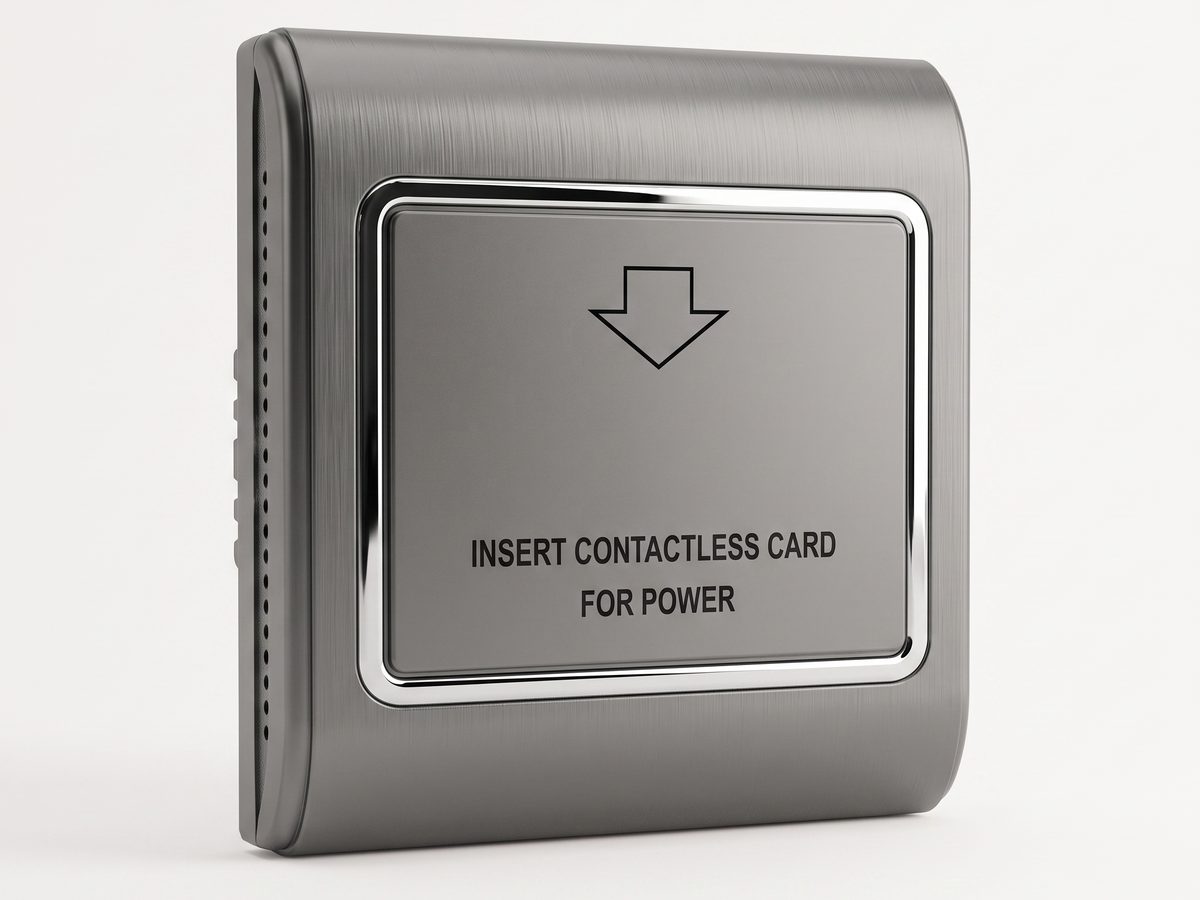
RFID 节能开关将电源绑定至特定房间 MIFARE 卡。13.56MHz MIFARE / 125kHz Temic,AC 180–250V,30A,15 秒延时断电。防跨房卡共享,客房节能 25–40%。
当前页面已经把它作为下一步推荐内容直接指向。
通过取电开关、交流接触器与明确操作规范,构建实用的客房供电管理系统。
它服务于同一产品语境:酒店取电开关 — 客房电源智能控制方案, RFID 节能开关 — 房间绑定 MIFARE 卡开关(B 型)。
采用取电开关控制客房供电,防止灯光、空调与指定插座空转,实现酒店节能降耗。
它服务于同一产品语境:酒店取电开关 — 客房电源智能控制方案, RFID 节能开关 — 房间绑定 MIFARE 卡开关(B 型)。
为酒店客房照明、空调与插座提供实用的取电控制方案,凭授权房卡即可通断电源。
它服务于同一产品语境:酒店取电开关 — 客房电源智能控制方案, RFID 节能开关 — 房间绑定 MIFARE 卡开关(B 型)。
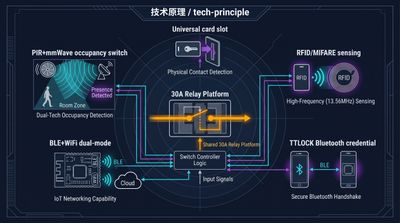
酒店取电开关涵盖通用、RFID、TTLOCK、BLE 与占用传感器五大型号。本指南详解取电开关、插卡取电开关等核心词对应的产品家族,对比各模型读卡规则、组网方式与适用场景,助您按现有门锁系统精准选型,无需换卡即可实现客房节能 25-40%。
它服务于同一产品语境:酒店取电开关 — 客房电源智能控制方案, RFID 节能开关 — 房间绑定 MIFARE 卡开关(B 型)。
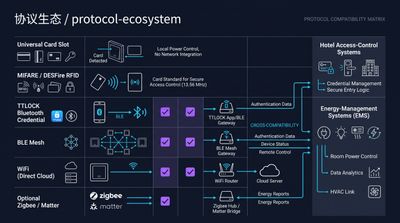
酒店取电开关选 RFID 还是 NFC?本质是卡技术家族与手机协议的区别:125kHz 与 13.56MHz RFID(MIFARE、Temic)是客房取电主流,支持扇区密钥绑定仅识自家房卡;NFC 只是手机模拟卡的贴近协议。文章对比读卡原理、防串用能力与选型建议,助工程商按现有门锁卡型精准决策。
它服务于同一产品语境:RFID 节能开关 — 房间绑定 MIFARE 卡开关(B 型), 酒店取电开关 — 客房电源智能控制方案。
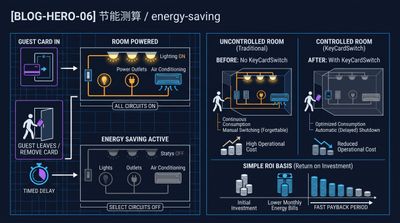
酒店取电开关插卡通电、取卡断电,客房节能 25-40%。对比通用型、RFID 型、TTLOCK 兼容型、BLE 智能型四大模式差异,涵盖 30A 继电器、15 秒延时、86 型底盒安装等关键参数,助您按现有刷卡系统精准选型,无需联网即可部署。
它服务于同一产品语境:酒店取电开关 — 客房电源智能控制方案, RFID 节能开关 — 房间绑定 MIFARE 卡开关(B 型)。