酒店取电开关价格指南:成本驱动因素与预算区间
酒店取电开关价格指南涵盖型号成本驱动因素、预算区间、批量梯队、面板饰面、接触器、运费及改造明细项目。
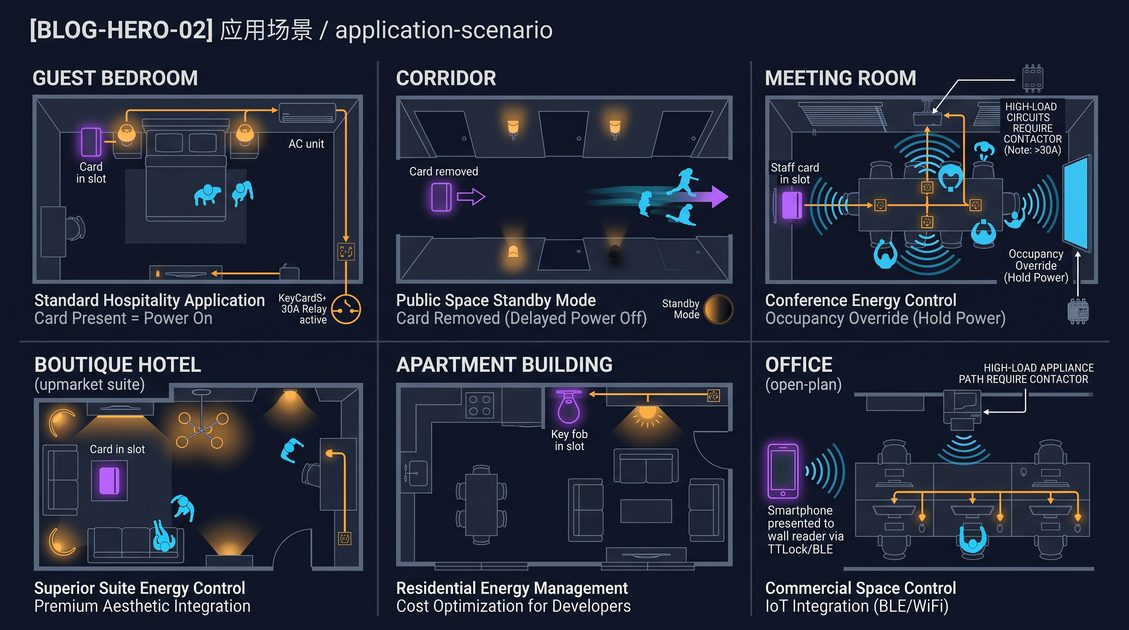
酒店取电开关价格指南是将单一美元数字转化为结构化预算的决策辅助工具,它解释了究竟是什么驱动了取电节能开关的成本,并给出了切合实际的按房采购区间,而非一个容易误导的单一数字。酒店取电开关价格指南涵盖控制模型选项、继电器与电压要求、物理面板与饰面、外置接触器或外壳等附加硬件,以及改变制造商单价报价的订单量。与固定挂牌价不同,酒店取电开关价格指南认识到同一类设备跨越多个不同价位的型号,因此将成本界定为与规格选择挂钩的区间,而非单一价格。本指南逐一梳理各成本驱动因素,设定合理预算区间,列出膨胀改造预算的隐性明细项目,并展示如何构建经得起对比与谈判的按房可辩护预算。
酒店取电开关价格指南:控制模型作为核心成本驱动因素
任何酒店取电开关价格指南中的主导成本驱动因素是控制模型,因为各变体内部的读卡硬件与信任逻辑承载不同的组件成本。通用型模型读取任意 M1 卡的 UID 且无需逐房编程,其读卡器简单、逻辑为盖章即合型,处于实用入门级。RFID 型号增加加密扇区校验以将一张卡绑定一间房,需要具备密钥存储与校验能力的读卡器,成本适度上升。TTLOCK 兼容型在同一卡平台上增加从 TTLOCK 数据读取的入住时间窗口,叠加一层逻辑。BLE 智能型增加天线、低功耗收发器与手机 App 固件,位居价格顶端。占用检测变体用存在传感器替代读卡器,其成本结构又不同,因为它用传感器成本置换了读卡器成本。
就预算而言,酒店取电开关价格指南应将模型视为光谱而非等价菜单。仅需在无卡时切断电源的物业可指定通用型模型,单房成本更低,因为它无读卡器密钥逻辑、无网络接口、无 App 集成需付费。运行逐房 MIFARE 或 Temic 卡且需真正房卡绑定的物业,为 RFID 校验支付适度溢价。已部署 TTLOCK 门锁的酒店可复用同一张卡并增加时间窗口,成本处于可比的中档。实施手机开门的联网客房项目则为 BLE 支付溢价。采购团队应让酒店取电开关价格指南凸显:模型决策是单一最大明细项,谈判优秀的单模型价格比任何其他因素更能移动预算。
典型报价中最低与最高模型的价差反映了这些组件差异,酒店取电开关价格指南的存在正是为了让该价差清晰可辨。当按房数字异常偏低时,通常是报了基础饰面、无附加项的通用型模型;当数字偏高时,可能包含网络逻辑、高端饰面或买方忽略的批量条款。正确做法是为所需的确切模型定价,而非用类别平均价,因为对跨越通用型至 BLE 的型号族取平均会掩盖所选配置的真实成本。对模型及其驱动因素排序的价格指南,能防止买方为客房永不会用到的逻辑多付费,也防止为规划所需的集成功能少预算。
| 型号 | 读卡逻辑 | 相对成本驱动因素 |
|---|---|---|
| 通用型 | 读取任意 M1 UID | 最低读卡逻辑 |
| RFID | 扇区密钥校验 | 增加密钥存储 |
| TTLOCK 兼容 | 卡片 + 时间窗口 | 增加时序逻辑 |
| BLE 智能 | 手机 + 离线卡 | 增加收发器 + App |
| 占用检测 | 存在感应 | 传感器替代读卡器 |
酒店取电开关价格指南:继电器额定值与输入电压作为明细项
酒店取电开关价格指南将继电器额定值与输入电压列为独立明细项,因为两者均改变位于进线与客房负载之间的开关元件。继电器额定值(最常见为 30A 交流切换元件,用于完整客房回路)决定面板在安装方必须改用外置接触器前能承载多大电流。标准内置 30A 继电器的明装面板是常见配置,处于区间中段;合并灯具、插座与空调负载逼近该极限的客房,或需更大余量的套房,会将规格推向外置接触器,即加入订单的独立外壳安装功率开关。电压输入(通常为 AC 180–250V,110V 变体可按需提供)是次要驱动因素,因内部电源级相似,但必须确认以使报价单元真正匹配当地供电。
在酒店取电开关价格指南中,继电器对话实质是选型对话,选型通过硬件库存而非标价加成改变价格。自带 30A 继电器的面板是单一自包含 SKU,易于按房计数与定价。将负载通过外置接触器路由的方案,将订单拆分为明装面板、接触器与外壳,各自带有成本与安装工时。对于合并需求 30A 以下的典型客房,内置继电器配置是价格高效的默认项;对于套房、大电流暖通或共用配电箱,接触器路线不可避免,预算必须包含它。指出这一分叉的价格指南,能防止仅报面板而将接触器漏算在外的经典预算错误。
电压决策自身很少大幅移动数字,但选错会在货到时导致设备无法在当地供电下运行,从而大幅打乱订单。酒店取电开关价格指南因此应将电压视为早期确认项,而非溢价项。采购团队在下单时说明物业运行 180–250V 交流电还是 110V,规格即强制输入级与电源匹配,免去现场改装。因其余继电器与面板在两种电压下相同,价差通常很小,为兼容性担保吸收该差价值得。早期确认电压能保持报价准确,避免改造因到货惊喜而停滞。
酒店取电开关价格指南:面板饰面、外壳与硬件附加项
除电子元件外,酒店取电开关价格指南还须核算物理构造:面板饰面、安装硬件,以及负载需外置开关元件时的外壳。明装面板为标准 86×86×48mm 单位面盒,面板约嵌入墙内 29mm,饰面选项通常从素白或银色延伸至高端或定制品牌面板。标准白色饰面是大多数物业为走廊选择的价格高效默认项;拉丝或定制镀层饰面、印刷 Logo 或房号会提升单面板成本,因各自需要不同材质或印刷工序。酒店取电开关价格指南应将面板与饰面作为两行定价,因为面板是视觉与营销相关的选择,物业常欲个性化,不应将其猜作舍入误差。
外壳与接触器附加项是许多改造预算隐蔽膨胀之处。当酒店取电开关价格指南为大电流客房显示外置接触器时,应同时显示安装该接触器的外壳,因为接触器、箱体、接线硬件及接入布线均为独立材料与独立工时。重型暖通与共用配电箱的套房可能仅在少数房间需此硬件,预算应隔离这少数房间而非将其平均摊入所有房间。类似地,面板的任何定制安装硬件、防护笼或防拆封条,或标准接线套件以外的附件线缆与端子套件,均为附加明细行。在价格指南上显性列出这些项,能防止看似整洁的按房数字掩盖差异化房间的真实成本。
下单经验是按各自数量为附加项定价,而非将其烘焙进单一混合数字。显示基础按房价加上高端饰面、接触器外壳与附件独立明细行的酒店取电开关价格指南,让物业清楚看到钱花在何处,并可在可能处裁减。若仅少数套房需接触器,买方保留其余机队为高效的仅面板配置。若客房走廊的高端饰面关乎客人体验,买方仅在客人可见处支付。将构造拆分为这些物理明细行,将价格指南从单一谜题数字转化为物业可逐行优化的透明采购清单。
酒店取电开关价格指南:订单量与制造商报价方式
订单量是任何酒店取电开关价格指南中的结构杠杆,因为制造商对小批样品、单层楼与数百间房的大型物业报价不同,谈判到位的梯队能显著移动单价。极小订单(如用于评估或样板间的单台或数台)因开机、包装与操作分摊件数少,单位成本最高。单一项目内的中等规模订单因相同开机分摊更多面板而获得更好梯队。跨越众多房间的大型物业订单成为最强谈判立场,因制造商承诺更多单位、更稳定排产与更可预测收入,并在按房数字中体现。酒店取电开关价格指南应使这些梯队可见,以便买方在报价前知晓该问什么。
制造商构建批量方式几乎总是阶梯报价而非单一挂牌价,酒店取电开关价格指南帮助买方读懂梯队。买方应按实际计划数量询价,而非按样品数量,同时确认解锁各梯队的数量门槛,以及运费、关税与任何一次性工装或包装费是否包含在该单价内。常见谈判错误是预算中沿用样品数量价格,即使订单将达到更高梯队,从而留出谈判空间;反向错误是为永不达标的大梯队价格预算,导致缺口。确认真实订单将落入的梯队,是让酒店取电开关价格指南精准的最廉价方式。
批量也与其他成本驱动因素交互,因为大型物业订单可能证明标准化模型、饰面与继电器配置以赢得最佳梯队是合理的。将每间房统一为单一模型、单一饰面、单一继电器的物业,可作为单一整洁流报价,通常锁定最佳批量条款;而混用多模型与多饰面的方案将订单拆分为多个定价较差的子批次。酒店取电开关价格指南应鼓励标准化作为定价策略:它减少采购明细行、简化调试,并同时赢得批量梯队。将全酒店取电控制规划为单一标准化项目的买方,获得的按房价优于碎片化订单的买方,指南应直白指出这一点。
酒店取电开关价格指南:切合实际的按房预算区间
酒店取电开关价格指南在将成本驱动因素转化为切合实际的按房预算区间时最为有用,因为区间框架决策而单一数字招致盲目猜测。基线配置为标准明装面板、通用型模型、内置继电器与基础白色饰面,工作于 AC 180–250V;这是大多数走廊客房所需的价格高效默认项,处于区间低端。指定用于房卡绑定的 RFID 型号、高端或品牌饰面、或 TTLOCK 兼容型号,会因这些驱动因素将面板推至中段。区间顶端属于带 App 接口、网络逻辑的 BLE 智能型,及用于大电流套房的外置接触器外壳。酒店取电开关价格指南由此跨越从最简通用型面板至最全装 BLE 配置的可辩护按房带。
按房数字应读作安装前开关硬件的到货成本,因为安装工时随物业、布线状况、面板是改造进既有单位面盒还是需新盒作业而异。对改造进既有明装盒的标准项目,硬件数字占主导,布线为适度增量;对拉新线或重布配电侧的物业,工时增大,应从电气范围预算,而非开关价格。将硬件与工时分离的酒店取电开关价格指南是诚实的预算方式,因两者因不同理由变动,混合它们会隐藏项目超支之处。此处给出的区间仅为硬件,按房有意义报价,且在不编造品牌报价或特定货币虚假价格的前提下框定模型光谱。
使用按房区间的正确方式是将其作为制造商回价的理智带,而非要求。当报价落于指定模型的带内,买方看到的是市场一致定价,可将谈判聚焦于饰面、批量梯队与运费。当报价落于带外,买方应在要求变更前核查规格、附加项或批量梯队是否解释了差距。因酒店取电开关价格指南中的区间构建自已讨论的成本驱动因素而非单一标题数字,它适应物业所选的确切配置。这使其比模糊的“每只开关成本”更适合预算签批,也是指南将区间与驱动因素列表配对的原因。
| 配置 | 典型相对带位 |
|---|---|
| 通用型、内置继电器、标准饰面 | 最低按房带 |
| RFID 房卡绑定面板 | 中段带 |
| TTLOCK 兼容面板 | 中高段带 |
| BLE 智能面板 | 顶端带 |
| 外置接触器 + 外壳(每大电流房) | 附加项,单独定价 |
酒店取电开关价格指南:膨胀预算的隐性明细项
改造超支最快的方式是忽略酒店取电开关价格指南中鲜少出现在首个标题报价里、却紧邻面板的隐性明细项:运费与关税、一次性工装、接触器外壳,以及安装与接线开关元件的机械硬件。笨重或重型面板的运费,及跨境采购的进口关税,可为大订单增加显著百分比,却常被视为买方忘记建模的脚注。一次性工装(制造商可能为定制面板、印刷 Logo 或定制外壳收取的开机费)是固定成本,分摊到小订单时提升实效单价,大订单时则淡化。酒店取电开关价格指南应强制将这些各自列为独立行,而非留待惊喜出现。
关税与运费尤其值得在工作簿占一席,因它们随整单缩放,而非随按房模型。到岸成本才是真正进入物业预算的数字,酒店取电开关价格指南在构建按房区间时应以到岸成本为靶,而非离岸单价。买方应询问报价是离岸价、船上交货价还是到岸价,以明确城市与时效,并确认报价数字是否含运费与进口费。离岸价报价看似较低,随即在国境增长;到岸价可直接预算,但必须与任何竞争报价在同一基础上比较。澄清贸易条款是防止价格指南结论因固定成本边际而出错的最廉价方式之一。
面板侧附加项、接触器外壳硬件与端子套件是另一隐性明细行,对偏离标准的房间影响最大。酒店取电开关价格指南应为每个需外置接触器的套房或大电流房间列出独立行,因该房间承担标准房没有的硬件与工时。将每间房均按高效的仅面板数字预算的买方,低估了这些例外,仅在接触器外壳开票时发现超支。补救很简单:在工作簿中将标准机队与例外分离,各按其驱动因素报价,让指南的明细行在下单前而非事后使每个附加项可见。
酒店取电开关价格指南:如何构建改造预算演练
从酒店取电开关价格指南构建可辩护的改造预算,是一个五步工作簿,将驱动因素列表转化为财务团队接受的数字。第一步是按房型固定模型,基于卡系统与物业所需绑定等级,将每间房标记为通用型、RFID、TTLOCK、BLE 或占用检测型;这钉住了单房最大成本驱动因素。第二步是按配置清点房间,将标准机队与需外置接触器的套房及大电流房间分离,使各组按各自硬件组合定价。第三步是对每个配置套用价格指南中的切合实际按房带,在有实际报价单价处替换为实报价。这得出透明且可逐行修订的硬件小计。
酒店取电开关价格指南工作流的第四步是加入指南一直坚持的订单级明细行:运费与关税、任何定制面板的一次性工装、例外房间的接触器外壳,以及将它们串联的到岸数字。第五步是通过询问“若订单量落入不同梯队、高端饰面仅限客房走廊、或一批房间延期至下一季”来对数字施压。这些杠杆各自移动工作簿中的一行,能展示预算对其驱动因素敏感度的买方,用具体数字而非泛泛施压进行谈判。最终输出是区间而非单一数字,因指南的全部前提在于成本是尚待敲定的选择的函数。
回顾性核对闭环工作流,让下一次改造更廉价。首批房间安装后,物业将各配置的实际开票按房成本与酒店取电开关价格指南的带位对比,记录估算漂移之处:高端饰面采用超计划、接触器报价房间超预期、或批量梯队落位不同。该竣工对比成为下一层楼与下一物业的输入,使每后续预算均比上一轮更紧。酒店取电开关价格指南因此非一次性答案,而是随周期改进的活体成本模型,维护它的物业将回顾数据转化为跨全资产组合的持久谈判与预算优势。
酒店取电开关价格指南:可能成交价与挂牌价的差异
即使有可靠模型,酒店取电开关价格指南仍应让买方为可能成交价与挂牌或标题价的差距做好准备,因两者极少重合,差异源于谈判而非不诚实。挂牌价是制造商或分销商设定的起始锚点以框架对话;可能成交价是知情买方在应用批量梯队、贸易条款与标准化规格后实际支付的价格。对统一单一模型与饰面、以有意义批量下单、并按到岸基础询价的物业,实务数字可在区间内处于比随意按单价挂牌所暗示更优的位置。指出这一动态的酒店取电开关价格指南,能防止买方为从未谈判的买方设定的锚点价多付费。
缩小差距最快的三个具体举措,均与指南驱动因素一致。第一是全酒店统一单一模型与饰面,将订单合并为单一流以赢得最佳批量梯队。第二是预先确认数量梯队与到岸基础,使被比较数字为同类可比且运费关税在页上而非递延。第三是显性说明哪些房间驱动附加项,使高端硬件计入正确的少数房间而非平均或隐藏。做这三步的买方获得接近带内最佳现实结果的按房数字,并可用相同三控制核对任何竞争报价。指南是使该核对有序的核对清单。
同样重要的是,酒店取电开关价格指南应警示那些在标题数字看似良好后膨胀最终数字的陷阱:调试时变更饰面、半数套房追加接触器外壳、运费单独超收、或工装费分摊至比计划更小的订单。买方通过书面冻结规格、按自有数量列出附加项、签署前再次确认贸易条款来保护谈判价。当到货发票与指南为指定配置建模的区间匹配时,预算受控;不匹配时,差异可索引至某个具名明细行。这种可追溯性是做预算工作的实务回报,也是指南设计要交付的精确内容。
酒店取电开关价格指南:何时选择区间低端与高端
酒店取电开关价格指南的最终判断在于知晓何时区间低端真正足够、何时高端值得其价,因两者均可辩护,正确选择取决于物业而非数字。低端适配预算敏感型改造,其中每间房均为 30A 以下标准客房,物业已发放普通卡,目标仅为无卡时移除空调与照明负载。对这绝大多数走廊客房,带内置继电器与基础饰面的通用型模型在带的高效点交付电源控制需求,花费更多购买的是客房永不会行使的读卡器逻辑。酒店取电开关价格指南应让此类买方放心:低端是完整而非缺陷,从而不在非所需能力上浪费预算。
中段因物业卡系统要求真正绑定或时间窗口而赢得其成本。验证 MIFARE 或 Temic 卡的 RFID 房卡绑定面板规避流浪卡为任意房供电的风险;TTLOCK 兼容面板复用酒店门卡并附入住时间窗口;当卡片已按该逻辑训练时,两者均值得其在带中的位置。高端为联网客房项目辩护,其中手机开门、App 控制与网络逻辑契合客人期待且物业主动营销的运营风格。酒店取电开关价格指南应将高端框架为特性投资,为客房实际将使用的能力付费,而非原则上抵制的价格。将模型与运营需求匹配、并为恰好该需求付费,是让最终数字可辩护的最稳妥方式。
归根结底,使用酒店取电开关价格指南而非单一标题成本的理由在于:酒店改造是多重决策,而非单一价格。模型选择设定核心驱动因素;继电器与电压设定开关硬件;饰面与外壳设定物理构造;批量设定梯队;运费与关税设定到岸数字;例外设定超支风险。由这些明细行构建的预算清晰、可谈、可为下一层复用;而由单一“每只开关成本”构建的预算,在套房需接触器或走廊需印刷面板的那一刻即变脆弱。为型号库定价、标准化机队、冻结规格、确认到岸基础,区间即守住。这是本指南存在要给出的工作答案,数字保持诚实,因它们遵循驱动因素而非相反。
酒店取电开关价格指南:提前理解报价基础
酒店取电开关价格指南应以询问最能改变任何数字含义的单一问题开篇:报价是离岸价、船上交货价还是到岸价,运费与关税在数字内还是外。离岸价(买方自工厂提货)纸面看低,随即因单独安排运输而大幅增长。到岸价已含运费与进口费,可直接置入物业预算,但必须在同一基础上与其他报价比较,否则比较无意义。让买方先说出报价基础的酒店取电开关价格指南,能防止将离岸单价与到岸单价比较并得出哪个报价更便宜的错误结论这一经典错误。贸易条款(即所谓 Incoterms)是使每一后续明细行清晰可读的框架。
报价基础也决定工作簿为运输距离、包装及任何经纪或海关操作预留多少缓冲。跨境订购大型物业的物业应将运费与关税建模为随订单重量与体积缩放的实行,而非舍入误差。面板硬件紧凑且堆叠高效,使运费相对订单价值保持适中,但定制面板或重型外壳会移动重量与运费。酒店取电开关价格指南应告知买方在比较时显性要求到岸数字,并询问所报数量梯队是否在物流前或后报价。在首次交锋即锁定基础,避免签署时标题数字因无人建模的运费边际而与真实到岸成本偏离,从而避免重新报价冲击。
另一基础问题是工装,因为定制面板、印刷房号或定制外壳可能承载独立于单价的一次性开机费。酒店取电开关价格指南应强制将其作为独立行列于页上,因其实效单位成本完全取决于订单规模。分摊至千台时,适度工装数字仅每面板几分钱;分摊至五十台时,则显著提升单位成本,并可能使高端饰面在数学上看似更优。买方询问工装是否在特定订单梯队豁免、是分摊还是一次性收取、全酒店品牌面板是否赢得折扣。在任何价格指南练习开始时说出报价基础与工装行,是保持按房数字诚实且可跨制造商比较的关键。
酒店取电开关价格指南:应避免的常见预算错误
酒店取电开关价格指南若不点名那些惯常膨胀或沉没改造预算的错误,则价值有限。首个错误是用单一混合按房价为每间房预算。因模型光谱、饰面与例外房间承载不同成本,混合平均隐藏了钱的去向:对每间房取平均的路径,低估了需接触器的套房,高估了本可更廉价的标准房。修正在于按配置定价,将标准机队与例外分离,让工作簿显示各组各自的驱动因素。保持明细行分离的酒店取电开关价格指南,也保持谈判诚实,因买方可裁减高端饰面或延期例外房间而无需为全酒店重新定价。
任何酒店取电开关价格指南中的第二个错误是:预算定下后再标准化规格,随后发现变更后的规格成本更高。调试时升级饰面、在通用型目标后选 RFID 面板、或为半数套房追加接触器,均移动了原预算未承载的明细行。保护措施是:在价格敲定前书面冻结规格、再次确认贸易条款、将任何冻结后变更视为带有可见成本的新明细行。第三个错误是忽略批量梯队,要么为永不达标的大梯队价格预算,要么持有样品价而真实订单落入更高梯队却将节省留在桌面上。点名这三个错误——混合平均、规格漂移、梯队错配——的酒店取电开关价格指南,武装买方对抗导致改造超支其逐行计划的三大最常见原因。预防它们比签署后纠正更廉价,这正是指南逐名点出它们的原因。
本文部分内容由 AI 生成,并为专业准确性与可读性进行了优化。 A hotel key card switch price guide is the decision aid that turns a single dollar figure into a structured budget by explaining what actually drives the cost of a key card energy switch and by giving realistic per-room purchasing ranges instead of one misleading number. A hotel key card switch price guide covers the control model options, the relay and voltage requirements, the physical panel and finish, the add-on hardware such as an external contactor or enclosure, and the order volume that changes how a manufacturer quotes per unit. Unlike a fixed list price, a hotel key card switch price guide recognizes that the same category of device spans several models at different price points, so it frames cost as a range tied to specification choices rather than as a single price. This guide walks each cost driver, sets sensible budget ranges, lists the hidden line items that inflate a retrofit, and shows how to build a defensible per-room budget that survives comparison and negotiation.
Hotel Key Card Switch Price Guide: The Control Model as the Core Cost Driver
The dominant cost driver in any hotel key card switch price guide is the control model, because the reader hardware and the trust logic inside each variant carry different component cost. A universal model, which reads the UID of any M1 card and needs no per-room programming, sits at the practical entry point because its reader is simple and its logic is a stamp-and-close. An RFID model adds a cryptographic sector check to bind one card to one room, which requires a reader with key-storage and validation, pushing cost modestly higher. A TTLOCK compatible model adds a check-in time window read from the TTLOCK data, another layer of logic on the same card platform. A BLE smart model adds an antenna, a low-power transceiver, and the firmware for a phone app, making it the top of the range. The occupancy variant, which needs a presence sensor instead of a card, costs differently again because it trades card reader cost for sensor cost.
For budgeting purposes, a hotel key card switch price guide should treat the model as a spectrum rather than a menu of equal items. A property that only needs to cut power when no card is present can specify the universal model and spend less per room, because it has no reader key logic, no network interface, and no app integration to pay for. A property running per-room MIFARE or Temic cards that wants genuine room binding pays a modest uplift for the RFID validation. An estate already on TTLOCK locks can reuse the same card and add a time window at a comparable mid-range cost. A connected-rooms program with phone-based access pays the premium for BLE. The buying team should let a hotel key card switch price guide highlight that the model decision is the single largest line, so negotiating a good per-model price moves the budget more than any other factor.
The spread between the lowest and highest model on a typical quotation reflects these component differences, and a hotel key card switch price guide exists precisely to keep that spread legible. When a per-room figure seems suspiciously low, the likely reading is that it quotes a universal model with a basic finish and no add-ons; when a figure seems high, it may include networked logic, premium finish, or volume terms that the buyer overlooked. The right move is to price the exact model needed rather than a category average, because averaging a family that spans universal through BLE obscures the true cost of the chosen configuration. A price guide that ranks models and their drivers keeps a buyer from overpaying for logic the rooms will never use and from underbudgeting for integration the plan requires.
| Model | Reader logic | Relative cost driver |
|---|---|---|
| Universal | Reads any M1 UID | Lowest reader logic |
| RFID | Sector key validation | Adds key storage |
| TTLOCK compatible | Card + time window | Adds timing logic |
| BLE smart | Phone + offline card | Adds transceiver + app |
| Occupancy | Presence sensing | Sensor over card reader |
Hotel Key Card Switch Price Guide: Relay Rating and Input Voltage as Line Items
A hotel key card switch price guide lists the relay rating and the input voltage as separate line items because both change the switching component that sits between the line feed and the room load. The relay rating, most often a 30A alternating current switching element for a full guest-room circuit, determines what the panel can carry before the installer must move to an external contactor. A standard 30A relay inside the flush panel is the common configuration and appears at the middle of the range; a room whose combined lights, sockets, and air conditioning approach that limit, or a suite needing more headroom, pushes the specification to an external contactor, which is a separate enclosure-mounted power switch added to the order. The voltage input, usually AC 180-250V with 110V variants available on request, is a minor driver because the internal power stage is similar, but it must be confirmed so the quoted unit actually matches the local supply.
In a hotel key card switch price guide, the relay conversation is really a sizing conversation, and sizing changes price through hardware inventory rather than through sticker markup. A panel that contains its own 30A relay is a single self-contained SKU, easy to count and price per room. A plan that routes the load through an external contactor splits the order into the flush panel plus the contactor plus the enclosure, each with its own cost and each with installation labor attached. For a typical guest room under 30A of combined demand, the internal-relay configuration is the price-efficient default; for suites, high-amp HVAC, or shared distribution boards, the contactor route is unavoidable and the budget must include it. A price guide that calls out this fork prevents the classic budget error of quoting only the panel and leaving the contactor out of the count.
The voltage decision rarely moves the number much on its own, but getting it wrong moves the order a lot when units arrive that cannot run at the local supply. A hotel key card switch price guide should therefore treat voltage as a confirm-early item, not a premium item. The buying team states whether the property runs 180-250V alternating current or 110V at order time, and the specification obliges the fastening between the input stage and the supply so no field modification is needed. Because the rest of the relay and panel are identical across both, the price delta is usually small and is worth absorbing for the guarantee of compatibility. Confirming voltage early keeps the quotation accurate and keeps a retrofit from stalling on arrival-day surprises.
Hotel Key Card Switch Price Guide: Panel Finish, Enclosure, and Hardware Add-Ons
Beyond the electronics, a hotel key card switch price guide must account for the physical build: the panel finish, the mounting hardware, and the enclosure when the load needs an external switching element. The flush panel is a standard 86x86x48mm single-gang box with the face seated roughly 29mm into the wall, and the finish options typically run from a plain white or silver to a premium or custom-branded face. A standard white finish is the price-efficient default that most properties choose for corridors; a brushed or custom-plated finish and a printed logo or room number raise the per-panel cost because each requires a different material or a print step. A hotel key card switch price guide should price the panel and the finish as two lines, because the face is a visual, marketing-relevant choice that properties often want to personalize, and it should not be guessed as a rounding error.
The enclosure and contactor add-on is where many retrofit budgets quietly inflate. When a hotel key card switch price guide shows an external contactor for high-amp rooms, it should also show the enclosure in which that contactor is mounted, because the contactor, the box, the termination hardware, and the wiring into it are separate materials and separate labor. A suite with heavy HVAC and a shared distribution board may need this hardware in a handful of rooms, and the budget should isolate that handful rather than average it across all rooms. Similarly, any bespoke mounting hardware, cage, or tamper-seal for the panel, or any accessory cable and terminal kit beyond the standard wiring set, is an add-on line. Listing these explicitly on the price guide keeps a clean-looking per-room figure from concealing the true cost of the rooms that differ.
The ordering lesson is to price add-ons by their own quantity, not to bake them into a single blended number. A hotel key card switch price guide that shows a plain per-room price plus separate lines for premium finishes, contactor enclosures, and accessories lets a property see exactly where its money goes and lets it trim where trimming is possible. If only a few suites need a contactor, the buyer keeps the rest of the fleet at the efficient panel-only configuration. If a premium finish matters for guest-facing corridors, the buyer pays it only where the guest sees it. Splitting the build into these physical lines turns the price guide from a single mystery figure into a transparent shopping list that the property can optimize line by line.
Hotel Key Card Switch Price Guide: Order Volume and How Manufacturers Quote
Volume is a structural lever in any hotel key card switch price guide, because a manufacturer quotes differently for a small sample, a single floor, and a hundreds-of-rooms estate, and negotiating the right bracket moves the unit price meaningfully. A very small order, such as one or a few units for evaluation or a prototype room, carries the highest per-unit cost because setup, packaging, and handling are spread over few pieces. A mid-size order within a single project earns a better bracket as the same setup amortizes over more panels. A large estate order spanning many rooms becomes the strongest negotiating position, because the manufacturer commits more units, more consistent scheduling, and more predictable revenue, and reflects that in the per-room figure. A hotel key card switch price guide should make these brackets visible so the buyer knows what to ask about before quoting.
The way manufacturers structure volume is almost always a tiered quotation rather than a single list price, and a hotel key card switch price guide helps the buyer read the tiers. The buyer should ask for the price at the actual planned quantity, not at a sample quantity, while confirming the quantity floor that unlocks each tier and whether freight, duty, and any one-time tooling or packaging charges are inside or outside that unit figure. A common negotiating mistake is to hold a sample-quantity price in the budget even though the order will reach a higher tier, leaving headroom on the table; the reverse error, budgeting at a large-tier price for an order that never reaches that tier, produces a shortfall. Confirming the tier that the real order will land in is the cheapest way to make a hotel key card switch price guide accurate.
Volume also interacts with the other cost drivers, because an estate order may justify standardizing the model, finish, and relay configuration to earn the best bracket. A property that standardizes every room on one model, one finish, and one relay can quote as one clean stream and typically secures the best volume terms, whereas a plan that mixes several models and finishes splits the order into smaller sub-lots that each price less favorably. A hotel key card switch price guide should encourage standardization as a pricing strategy: it reduces procurement line count, simplifies commissioning, and earns the volume bracket simultaneously. The buyer who plans the whole estate's card control as one standardized program gets a better per-room price than one who fragments the order, and the guide should say so plainly.
Hotel Key Card Switch Price Guide: Realistic Budget Ranges Per Room
A hotel key card switch price guide is most useful when it translates the cost drivers into a realistic budget range per room, because a range frames the decision while a single number invites a wrong guess. The baseline configuration is the standard flush panel with a universal model, internal relay, and basic white finish, operating at 180-250V alternating current; this is the price-efficient default that most corridor rooms need, and it sits at the lower end of the range. Specifying the RFID model for room binding, a premium or branded finish, or the TTLOCK compatible model moves a panel within the mid-range as those drivers add. The top of the range belongs to the BLE smart model with an app interface, networked logic, and, where used, an external contactor enclosure for high-amp suites. A hotel key card switch price guide thus spans a defensible per-room band from the simplest universal panel to the most equipped BLE configuration.
The per-room figure should be read as the delivered-for-installation cost of the switch hardware before on-site labor, because installation labor varies by property, wiring condition, and whether the panel retrofits into an existing single-gang box or needs new box work. For a standard retrofit into an existing flush box, the hardware figure dominates and the wiring is a modest add; for a property pulling fresh runs or rewiring the distribution side, labor grows and should be budgeted from the electrical scope, not from the switch price. A hotel key card switch price guide that separates hardware from labor is the honest way to budget, because the two move for different reasons and mixing them hides where a project overruns. The range offered here is for the hardware only, quoted meaningfully per room, and it brackets the model spectrum without inventing a brand quote or a currency-specific fake price.
The right way to use a per-room range is as a sanity band for whatever the manufacturer returns, not as a demand. When a quotation lands inside the band for the specified model, the buyer is seeing market-consistent pricing and can focus negotiation on finish, volume tier, and freight. When a quotation sits outside the band, the buyer should check whether the spec, the add-ons, or the volume tier explains the gap before asking for a change. Because the range in a hotel key card switch price guide is built from the cost drivers already discussed rather than from a single headline figure, it adapts to the exact configuration the property chooses. That is what makes it better for budget sign-off than a vague "cost per switch," and it is why the guide pairs a range with the driver list.
| Configuration | Typical relative band |
|---|---|
| Universal, internal relay, standard finish | Lowest per-room band |
| RFID room-bound panel | Mid band |
| TTLOCK compatible panel | Mid-high band |
| BLE smart panel | Top band |
| External contactor + enclosure (per high-amp room) | Add-on, priced separately |
Hotel Key Card Switch Price Guide: Hidden Line Items That Inflate a Budget
The fastest way for a retrofit to blow past its hotel key card switch price guide is to ignore the hidden line items that sit beside the panel but are rarely in the first headline quote: freight and duty, one-time tooling, the contactor enclosure, and the mechanical hardware to mount and terminate the switching element. Freight for bulky or heavy panels, and import duty where the property buys across a border, can add a meaningful percentage to a large order and is often treated as a footnote the buyer forgets to model. One-time tooling, a setup charge a manufacturer may apply for a customized face, a printed logo, or a bespoke panel, is a fixed cost that raises the effective unit price when spread over a small order but fades on a large one. A hotel key card switch price guide should force each of these onto the page in its own line rather than leaving them to appear as a surprise.
Duty and freight especially deserve a place in the workbook because they scale with the whole order, not with the per-room model. Delivered cost is the figure that actually reaches the property budget, and it is the delivered cost, not the ex-works unit price, that a hotel key card switch price guide should target when it builds a per-room range. The buyer should ask whether the quotation is ex-works, free on board, or delivered so the city and timing are clear, and should confirm whether the quoted figure includes freight and import charges. A quotation quoted at ex-works looks lower and then grows at the border; a delivered figure is ready to budget but must be compared on the same basis as any competing offer. Clarifying the incoterm is one of the cheapest ways to prevent a price guide conclusion from being wrong by a fixed-cost margin.
The panel-facing add-ons, contactor enclosure hardware, and terminal kits are the other hidden line, and they matter most for the rooms that deviate from the standard. A hotel key card switch price guide should list a separate line for each suite or high-amp room that needs an external contactor, because that room carries hardware and labor the standard rooms do not. A buyer who budgets every room at the efficient panel-only figure undercounts those exceptions and finds the overrun only when the contactor enclosures are invoiced. The remedy is a simple one: separate the standard fleet from the exceptions in the workbook, quote each at its own driver, and let the guide's lines make every add-on visible before the order, not after.
Hotel Key Card Switch Price Guide: How to Build a Retrofit Budget Workout
Building a defensible retrofit budget from a hotel key card switch price guide is a five-step workbook that turns the driver list into a number the accounting team will accept. The first step is to fix the model per room type, tagging each room as universal, RFID, TTLOCK, BLE, or occupancy based on the card system and the level of binding the property wants; this pins the single biggest cost driver per room. The second step is to count the rooms by configuration, splitting the standard fleet from the suites and high-amp rooms that need an external contactor, so each group is priced at its own hardware set. The third step is to apply the realistic per-room band for each configuration from the price guide, substituted with the actual quoted unit price where one exists. This yields a hardware subtotal that is transparent and revisable line by line.
The fourth step in a hotel key card switch price guide workflow is to add the order-level lines that the guide has been insisting on: freight and duty, one-time tooling for any customized face, the contactor enclosures in the exception rooms, and the delivered figure that ties them together. The fifth step is to stress the number by asking what changes if the order volume lands in a different tier, if a premium finish is limited to guest-facing corridors, or if a batch of rooms is deferred to a later season. Each of these levers moves a line in the workbook, and a buyer who can show the sensitivity of the budget to its drivers negotiates with concrete numbers rather than general pressure. The final output is a range, not a single number, because the guide's whole premise is that the cost is a function of choices yet to be finalized.
A retrospective check closes the workflow and keeps the next retrofit cheap. After the first rooms are installed, the property compares the actual invoiced per-room cost against the hotel key card switch price guide band for each configuration, and notes where the estimate drifted: a higher finish uptake than planned, a contactor that was quoted on more rooms, or a volume tier that landed differently. That as-built comparison becomes the input for the next floor and the next property, making each subsequent budget tighter than the last. A hotel key card switch price guide is therefore not a one-time answer but a living cost model that improves every cycle, and the property that maintains it turns retrospective data into a durable negotiating and budgeting advantage across the whole estate portfolio.
Hotel Key Card Switch Price Guide: The Difference Between Likely and Listed Price
Even with a solid model, a hotel key card switch price guide should prepare the buyer for the gap between a likely negotiated price and a listed or headline price, because the two rarely coincide and the difference is negotiation, not dishonesty. A listed price is a starting anchor set by a manufacturer or distributor to frame a conversation; a likely price is what an informed buyer actually pays after the volume tier, the incoterm, and the standardized spec are applied. For a property that standardizes on one model, orders at a meaningful volume, and quotes on a delivered basis, the practical figure can sit at a better position in the range than a casual per-unit list would suggest. A hotel key card switch price guide that names this dynamic keeps a buyer from overpaying at an anchor price set for a buyer who never negotiates.
The gap closes fastest through three concrete moves, all consistent with the guide's drivers. The first is to standardize the whole estate on one model and finish, which consolidates the order into one stream and earns the best volume bracket. The second is to confirm the quantity tier and the delivered basis up front, so the number compared is apples to apples and freight and duty are on the page, not deferred. The third is to be explicit about which rooms drive add-ons, so the premium hardware is priced into the correct handful of rooms rather than averaged or hidden. A buyer who makes these three moves obtains a per-room figure close to the best realistic outcome in the band and can verify any competing quote against the same three controls. The guide is the checklist that makes that verification orderly.
Equally important, a hotel key card switch price guide should warn against the traps that inflate a final figure after the headline number looks good: a finish changed at commissioning, contactor enclosures added in half the suites, freight separately overcharged, or a tooling fee amortized over a smaller order than planned. The buyer protects the negotiated price by freezing the specification in writing, listing add-ons at their own quantity, and reconfirming the incoterm before sign-off. When the delivered invoice matches the guide's modeled range for the specified configuration, the budget is under control; when it does not, the difference is indexable to one named line. That traceability is the practical payoff of doing the budgeting work, and it is exactly what the guide is designed to deliver.
Hotel Key Card Switch Price Guide: When to Choose the Lower and Upper Ends
The final judgment of a hotel key card switch price guide is knowing when the lower end of the range is genuinely enough and when the upper end is worth the money, because both are defensible and the right choice depends on the property, not on the number. The lower end fits a budget-sensitive retrofit where every room is a standard guest room under 30A, the property already issues plain cards, and the goal is simply to remove the AC and lighting load when no card is present. For that large majority of corridor rooms, the universal model with an internal relay and a basic finish delivers the power control requirement at the efficient point of the band, and spending more buys reader logic the rooms will never exercise. A hotel key card switch price guide should reassure such a buyer that the lower end is complete, not deficient, so budget is not wasted on unneeded capability.
The middle of the range earns its cost where the property's card system demands real binding or a time window. An RFID room-bound panel that validates a MIFARE or Temic card avoids the risk of a stray card powering any room, and a TTLOCK compatible panel reuses the estate's door card with a check-in time window; both are worth their position in the band when the cards already train on that logic. The upper end is justified for connected-rooms programs where phone-based access, app control, and networked logic fit an operating style that guests expect and the property actively markets. A hotel key card switch price guide should frame the upper end as a feature investment, paying for capability the rooms will actually use, not as a price to resist on principle. Matching the model to the operating need, and paying for exactly that, is the surest way to make the final figure defensible.
In the end, the reason to use a hotel key card switch price guide rather than a single headline cost is that a hotel retrofit is many decisions, not one price. The model choice sets the core driver; the relay and voltage set the switching hardware; the finish and enclosure set the physical build; the volume sets the tier; the freight and duty set the delivered figure; and the exceptions set the overrun risk. A budget built from those lines is legible, negotiable, and repeatable for the next floor, while a budget built from a single "cost per switch" is fragile the moment a suite needs a contactor or a corridor needs a printed face. Price the library, standardize the fleet, freeze the specification, confirm the delivered basis, and the range holds. That is the working answer this guide exists to give, and the numbers stay honest because they follow the drivers rather than the other way around.
Hotel Key Card Switch Price Guide: Understanding the Quote Basis Up Front
A hotel key card switch price guide should begin by asking the single question that most changes what any number means: is the quote ex-works, free on board, or delivered, and do freight and duty sit inside or outside the figure. An ex-works price, where the buyer collects at the factory, looks low on paper and then grows sharply as shipping is organized separately. A delivered or landed figure already carries freight and import charges and is ready to put into a property budget, but it must be compared against other quotes on the same basis or the comparison is nonsense. A hotel key card switch price guide that makes the buyer name the quote basis first prevents the classic error of comparing an ex-works unit price with a delivered unit price and drawing the wrong conclusion about which offer is cheaper. The incoterm, as it is called, is the frame that makes every later line legible.
The quote basis also determines how much buffer belongs in the workbook for shipping distance, packing, and any broker or customs handling. A property ordering a large estate across a border should model freight and duty as a real line, scaled to the order weight and volume, not as a rounding error. The panel hardware is compact and stacks efficiently, which keeps freight moderate relative to the order value, but a bespoke face or a heavy enclosure shifts the weight and the freight with it. A hotel key card switch price guide should tell the buyer to request the delivered figure explicitly when comparing, and to ask whether the offered quantity tier is quoted before or after these logistics. Locking the basis into the first exchange avoids the re-quote shock that arrives when a headline number at sign-off differs from the real delivered cost by a freight margin nobody modeled.
The other basis question is tooling, because a customized panel face, a printed room number, or a bespoke enclosure can carry a one-time setup charge that is separate from the unit price. A hotel key card switch price guide should force this onto the page as its own line, because its effective cost per unit depends entirely on order size. Spread over a thousand units, a modest tooling figure is a few cents per panel; spread over fifty, it meaningfully raises the unit cost and can make a premium finish look better than the math supports. The buyer asks whether tooling is waived at a certain order tier, whether it is amortized or charged once, and whether a branded face across the estate earns a discount. Naming the quote basis and the tooling line at the start of any price guide exercise is what keeps a per-room figure honest and comparable from one manufacturer to the next.
Hotel Key Card Switch Price Guide: Common Budgeting Mistakes to Avoid
A hotel key card switch price guide is worth little if it does not name the mistakes that routinely inflate or sink a retrofit budget, and the first is budgeting every room at a single blended per-room price. Because the model spectrum, the finish, and the exception rooms carry different costs, a blended average hides where the money goes: a route that takes the average for every room undercounts the suites that need a contactor and overcounts the standard rooms that could be cheaper. The fix is to price by configuration, splitting the standard fleet from the exceptions, and to let the workbook show each group at its own driver. A hotel key card switch price guide that keeps the lines separate also keeps the negotiation honest, because the buyer can trim a premium finish or defer an exception room without re-pricing the whole estate.
The second mistake in any hotel key card switch price guide is standardizing the specification after the budget is set, then finding the changed spec costs more. A finish upgraded at commissioning, an RFID panel chosen after a universal target, or a contactor added to half the suites each move a line that the original budget did not carry. The protection is to freeze the specification in writing before the price is finalized, confirm the incoterm again, and treat any post-freeze change as a new line with a visible cost. The third mistake is ignoring the volume tier, either budgeting at a large-tier price for an order that never reaches that bracket, or holding a sample price when the real order lands higher and leaves savings on the table. A hotel key card switch price guide that names all three mistakes, the blended average, the spec drift, and the tier mismatch, arms the buyer against the three most common reasons a retrofit overruns its line-by-line plan. Avoiding them is cheaper than correcting them after sign-off, which is exactly why the guide calls them out by name.
Part of this article content is generated by AI and optimized for professional accuracy and readability.
不确定哪款传感器适合您的项目?
与我们的毫米波应用工程师免费咨询。
为您的酒店项目挑选合适的存在传感器
对比 3 种协议、查看酒店案例、下载安装指南
相关产品
3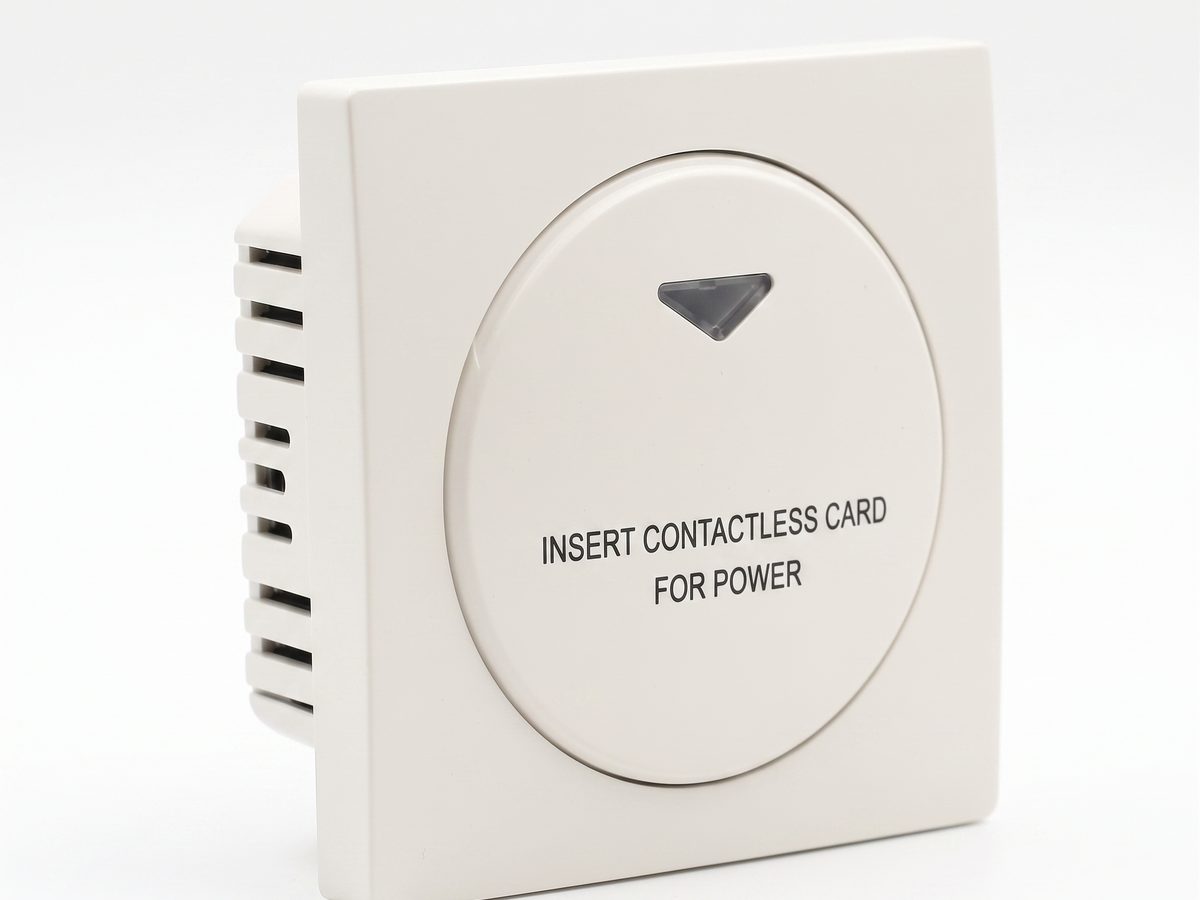
酒店取电开关 — 客房电源智能控制方案
酒店取电开关实现客房电源智能控制。RFID/IC卡识别,插卡取电,拔卡延时断电。220V交流,10A-16A,RS485或干接点。CE RoHS认证。OEM/ODM源头供应商。
当前页面已经把它作为下一步推荐内容直接指向。
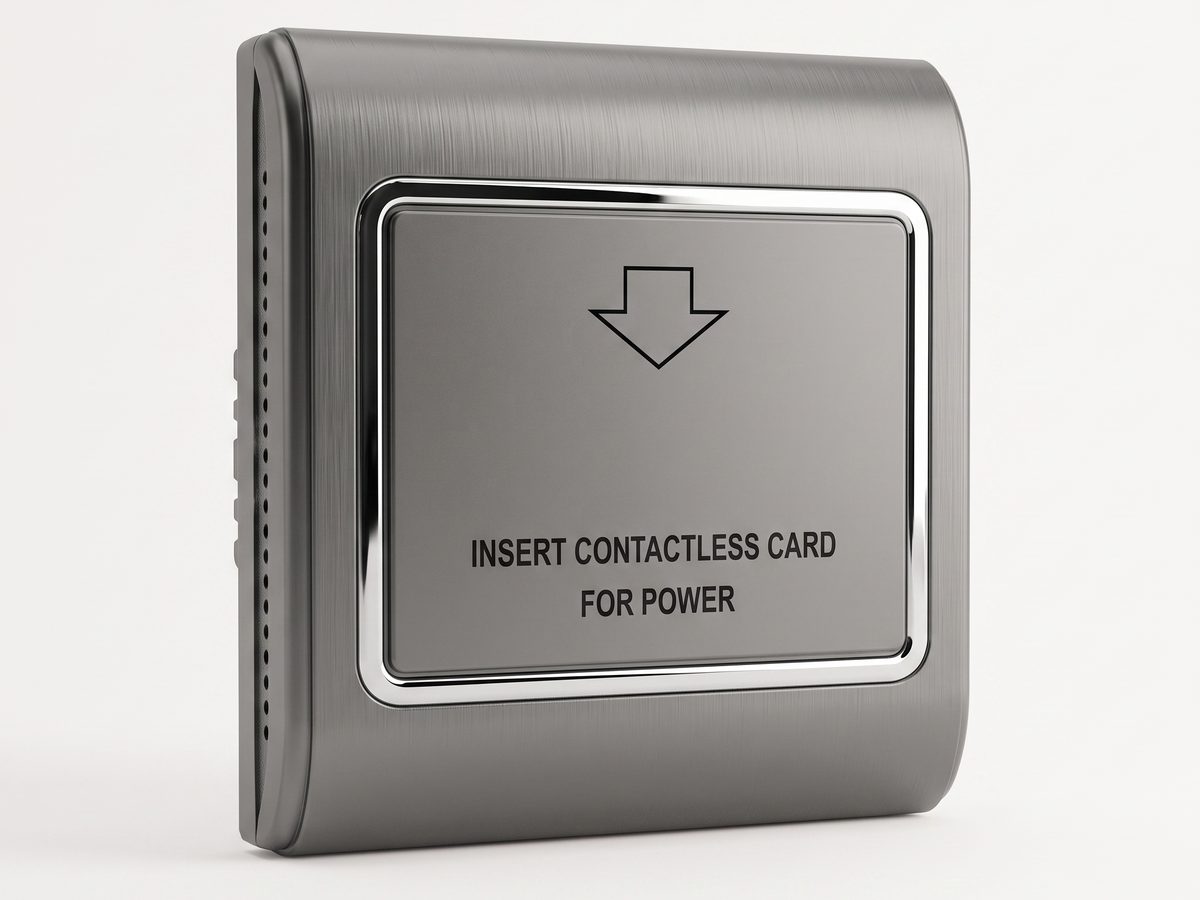
RFID 节能开关 — 房间绑定 MIFARE 卡开关(B 型)
RFID 节能开关将电源绑定至特定房间 MIFARE 卡。13.56MHz MIFARE / 125kHz Temic,AC 180–250V,30A,15 秒延时断电。防跨房卡共享,客房节能 25–40%。
当前页面已经把它作为下一步推荐内容直接指向。
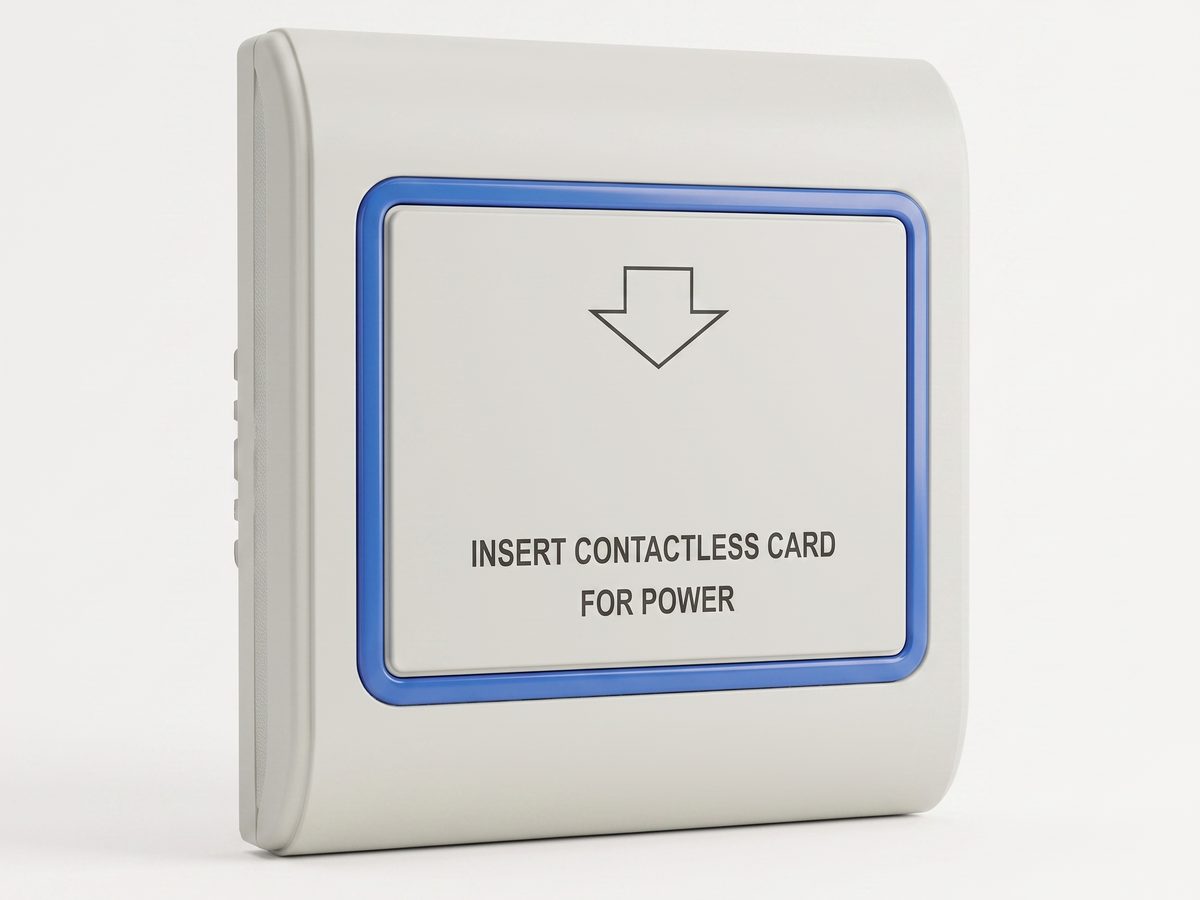
RFID 取电开关 — 13.56MHz 非接触式客房取电控制
RFID 取电开关采用 13.56MHz 非接触感应,客人轻触感应区即可取电,无需插卡槽。兼容酒店门锁系统,CE RoHS 认证,OEM/ODM 源头供应商。
当前页面已经把它作为下一步推荐内容直接指向。
相关解决方案
3 2026 酒店节能开关选购指南:通用卡、RFID、TTLOCK、BLE 与占用传感器
涵盖通用卡、RFID/MIFARE、TTLOCK 兼容、BLE 智能及占用传感器开关的酒店节能开关选购指南。为您的客房挑选合适的取电开关、插卡取电开关与节能钥匙开关。
当前页面已经把它作为下一步推荐内容直接指向。
基于取电开关的客房管理系统方案
通过取电开关、交流接触器与明确操作规范,构建实用的客房供电管理系统。
它服务于同一产品语境:酒店取电开关 — 客房电源智能控制方案, RFID 节能开关 — 房间绑定 MIFARE 卡开关(B 型)。
相关文章
3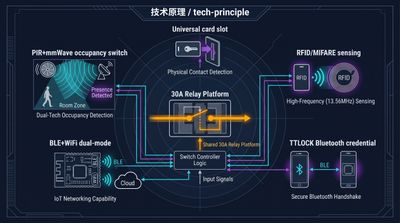
酒店取电开关五大控制模型详解:通用、RFID、TTLOCK、BLE 与占用传感器选型指南
酒店取电开关涵盖通用、RFID、TTLOCK、BLE 与占用传感器五大型号。本指南详解取电开关、插卡取电开关等核心词对应的产品家族,对比各模型读卡规则、组网方式与适用场景,助您按现有门锁系统精准选型,无需换卡即可实现客房节能 25-40%。
它服务于同一产品语境:酒店取电开关 — 客房电源智能控制方案, RFID 节能开关 — 房间绑定 MIFARE 卡开关(B 型), TTLOCK 兼容取电开关 — 房间绑定 + 时间限制(C 型), BLE 智能取电开关 — 蓝牙 + WiFi 酒店取电控制。
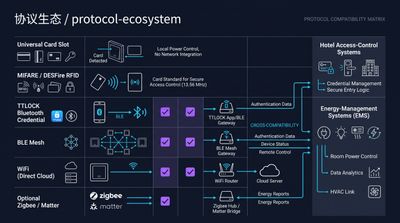
RFID 与 NFC 酒店取电开关选型完全指南:125kHz 与 13.56MHz 卡技术核心差异
酒店取电开关选 RFID 还是 NFC?本质是卡技术家族与手机协议的区别:125kHz 与 13.56MHz RFID(MIFARE、Temic)是客房取电主流,支持扇区密钥绑定仅识自家房卡;NFC 只是手机模拟卡的贴近协议。文章对比读卡原理、防串用能力与选型建议,助工程商按现有门锁卡型精准决策。
它服务于同一产品语境:RFID 节能开关 — 房间绑定 MIFARE 卡开关(B 型), 酒店取电开关 — 客房电源智能控制方案, TTLOCK 兼容取电开关 — 房间绑定 + 时间限制(C 型)。
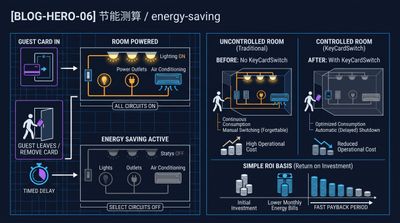
什么是酒店取电开关?核心工作原理、四大主流产品类型及客房节能 25-40% 的详细完整深度全解析
酒店取电开关插卡通电、取卡断电,客房节能 25-40%。对比通用型、RFID 型、TTLOCK 兼容型、BLE 智能型四大模式差异,涵盖 30A 继电器、15 秒延时、86 型底盒安装等关键参数,助您按现有刷卡系统精准选型,无需联网即可部署。
它服务于同一产品语境:酒店取电开关 — 客房电源智能控制方案, RFID 节能开关 — 房间绑定 MIFARE 卡开关(B 型), TTLOCK 兼容取电开关 — 房间绑定 + 时间限制(C 型), BLE 智能取电开关 — 蓝牙 + WiFi 酒店取电控制。
与我们的工程师对接您的酒店项目
告知我们房间数量、吊顶类型、协议偏好,24 业务小时内返回打样方案和报价。
- 把泛化知识内容继续引向具体产品或应用场景讨论。
- 当客户要谈价格、图纸、MOQ 或项目节奏时,直接进入 RFQ。
- 同时保留直接联系入口,便于快速澄清问题和内部转交。