Room power control beyond the hotel corridor
A key card switch for home-style guest accommodation is the same guest-room power control used in hotels, specified for serviced apartments, student residences, homestays, and apartment hotels. These properties combine hotel-style operations with residential expectations. Guests and residents stay for days, weeks, or months, and the power rule must stay clear for everyone who uses the room.
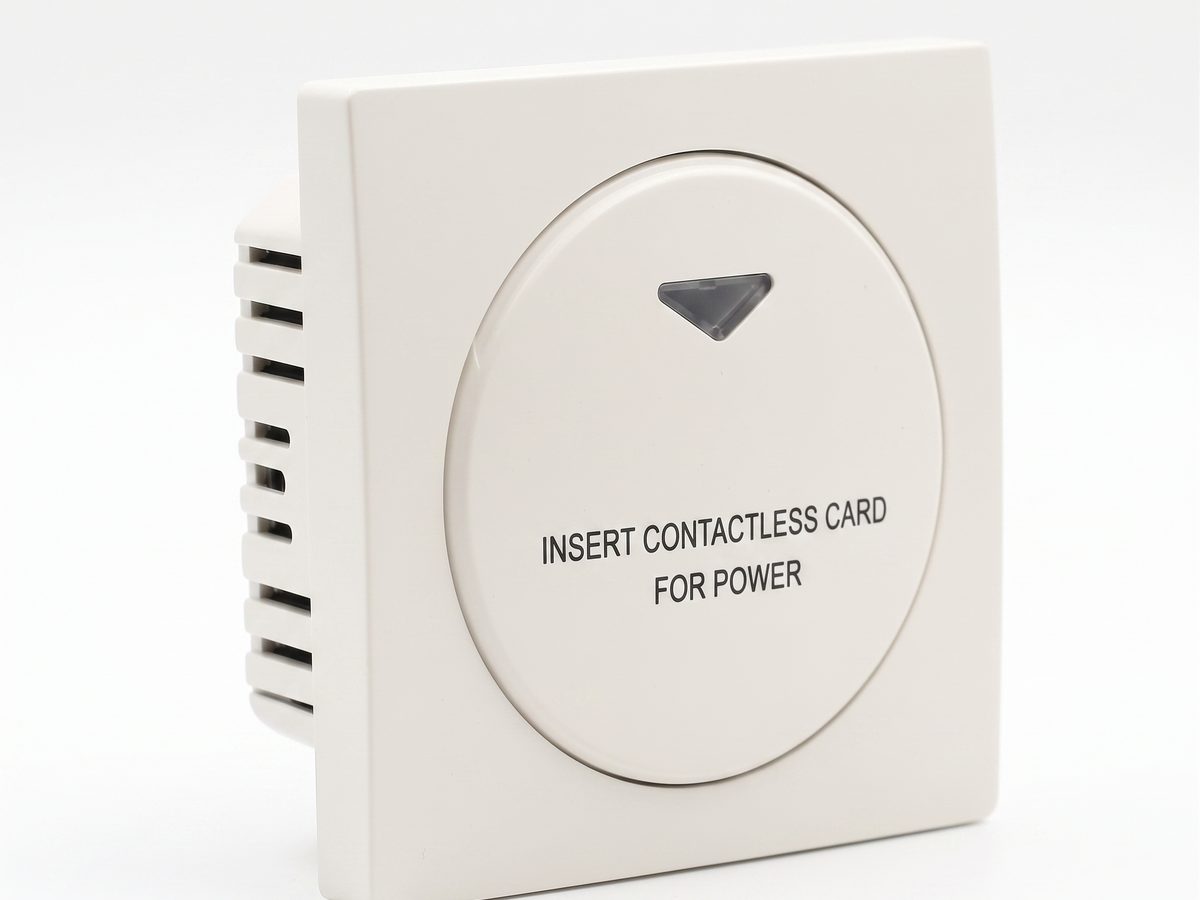
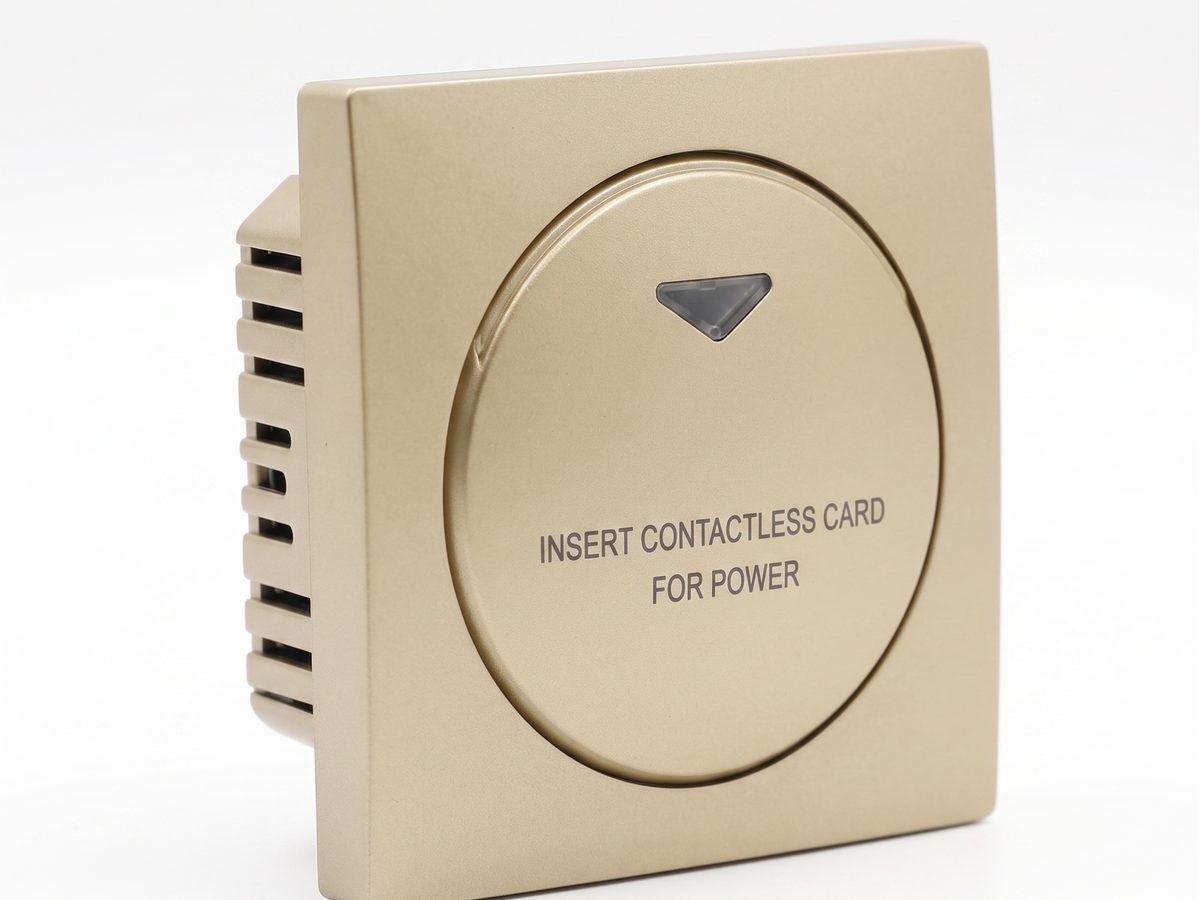
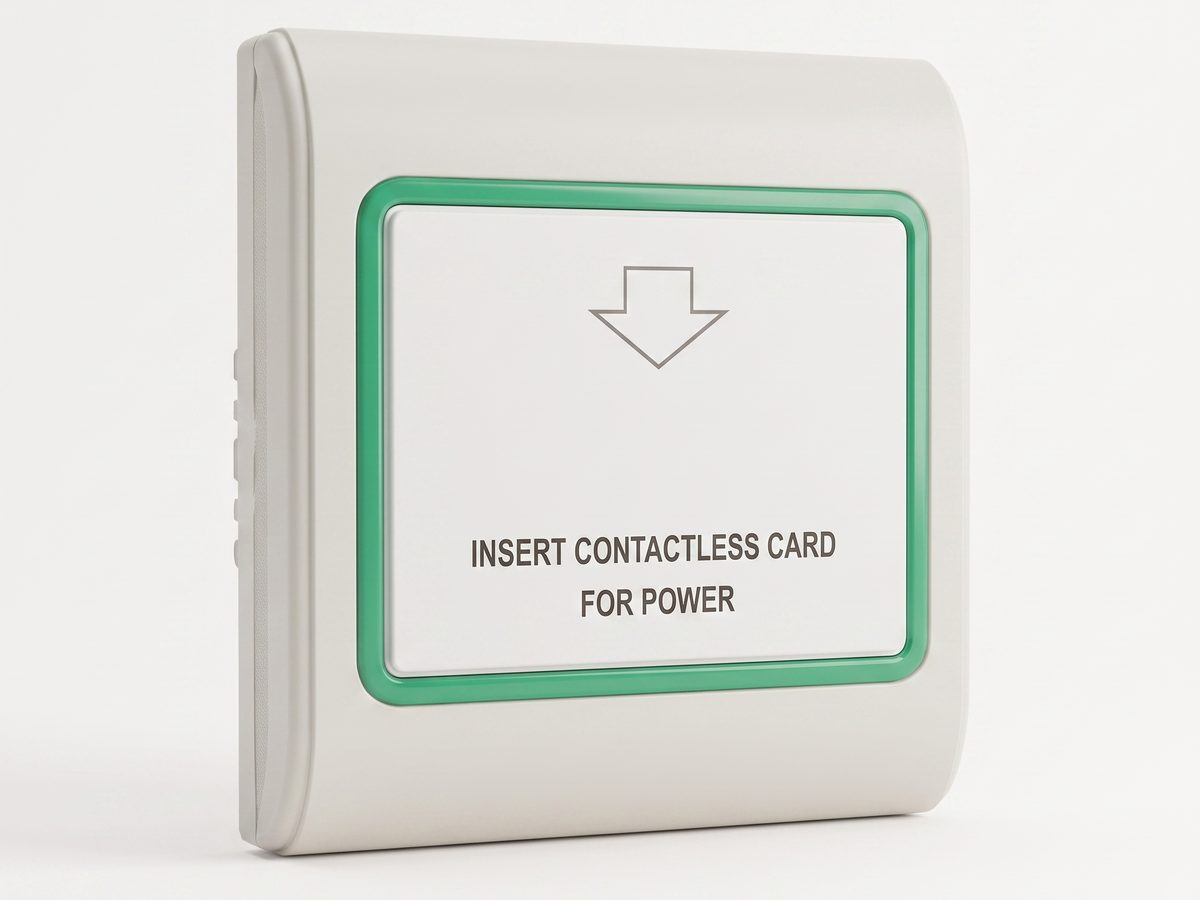
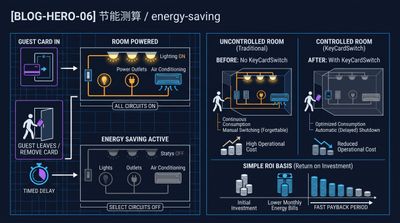
The model is simple and deterministic. The resident inserts a valid card at the entry point: selected lighting, outlet, and air-conditioning circuits are enabled. When the resident removes the card on leaving, those circuits disconnect after a short delay. Because control follows the card, the room behaves the same way for every occupant. This avoids the guesswork of motion-only detection and gives property operators a visible, explainable switch at the room entry.
KeyCardSwitch provides this as an OEM/ODM manufacturer under CE/RoHS on a shared relay platform. Whether you run a single homestay or a portfolio of serviced apartments, the underlying switching approach is consistent, so it can be specified, installed, and maintained with the same discipline used in hotel new-build and retrofit projects.
Who the solution is for
The "home" in this context means residential-style and small-footprint accommodation that still runs on guest-facing room power. That narrows the practical audience to property types that share the hotel room-control pattern.
Serviced apartments and corporate residences need a power rule that suits long stays: circuits should follow the card without penalizing residents who return and leave throughout the day. Student accommodation benefits from a repeatable standard across dozens of similar bedrooms, where the same configuration reduces confusion and simplifies facilities maintenance. Homestays and small apartment hotels gain a low-cost, understandable switch that introduces a hotel-style energy routine without complex hotel systems. Refurbishment programs across any of these segments reuse the same wall-box layout and switch anywhere a suitable supply and depth exist.
The solution is not intended as a residential switch for private houses. It is specified around hospitality operations, where a staffed or owner-managed property sets and documents the card practice rather than a single household managing its own habit.
A serviced apartment may keep essential outlets energized while switching lighting and air-conditioning enable circuits. A student bedroom may use a different rule than a shared studio. Document these choices in a room matrix so the switch, contactor, controlled circuits, and faceplate are stated together. This prevents a common-room assembly from being installed in a bedroom with different load requirements.
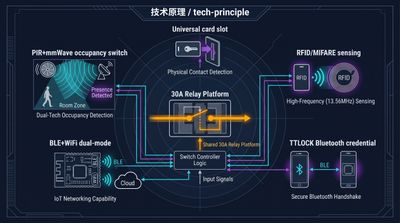
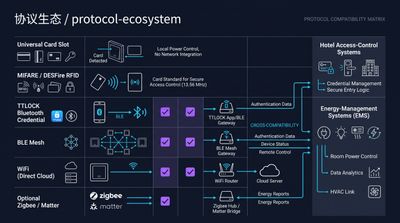
Card technology matters. A universal key card switch works when any card is used. An RFID or MIFARE energy-saving switch suits a room-bound card practice. Whichever is chosen should be tested with the actual cards issued to residents and staff before quantities are confirmed.
High-power loads such as air-conditioning or water heaters may require an external contactor. The selected relay or contactor must be rated for the real load, and the installation professional should verify ratings, terminals, enclosure conditions, and protective devices.
A repeatable standard for repeated rooms
A residence may contain dozens of similar rooms, but shared kitchens, accessible rooms, studios, and common areas can differ. Create one configuration per room type. For homestays and small apartment hotels, a single simple configuration is often enough, which keeps spare stock small and training minimal.
Determine whether a universal switch or an RFID energy-saving switch best fits your card practice. Test the choice with the cards you actually issue. Then record the configuration so a replacement unit is identical even years later.
Pilot acceptance checks
Before a full rollout, install a representative room and test entry, card removal, re-entry, lighting, air-conditioning, service access, and recovery after a power interruption. Confirm that staff can isolate power for maintenance and that repeated card cycles do not reveal fit, wiring, or behavior issues. Record exceptions by room type and hand them to the facilities team at handover.
Retrofit with minimum disruption
Serviced apartments and operated residences often remain occupied during upgrades. A phased plan by floor or vacancy window limits disruption. Provide photos of existing switches, wall-box dimensions, circuit schedules, room counts, card details, supply voltage, and the destination country before ordering. The engineering team can then prepare a sample recommendation and replacement stock plan.
For ongoing operations, keep a documented spares policy. Replacements should match the installed configuration exactly, and a small stock of the correct faceplate and internal relay avoids long room-down times.
Work with the engineering team
Send room counts, room types, target loads, card technology, wall-box dimensions, photos, destination, and schedule for a project review. KeyCardSwitch Engineering Team will return a practical configuration and sample plan.
We focus on dependable switching, clear documentation, and straightforward installation rather than unsupported energy claims. The energy benefit is structural and simple to explain: an unoccupied room, left without a card in the switch, does not keep switched circuits powered.
To start, contact [email protected] with your room count, circuit schedule, card type, and target load details. We will confirm a suitable configuration and a working sample within a standard quotation cycle.