Define the room experience first
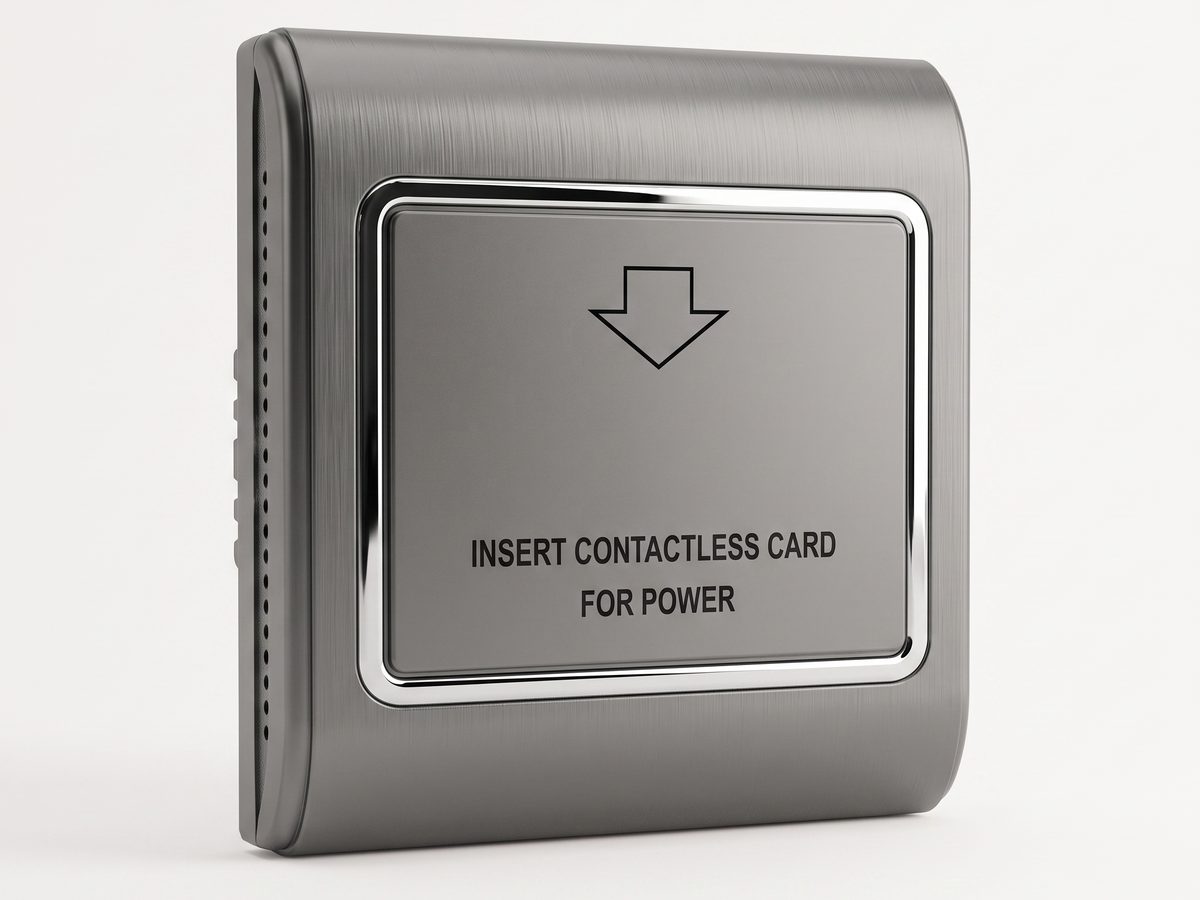
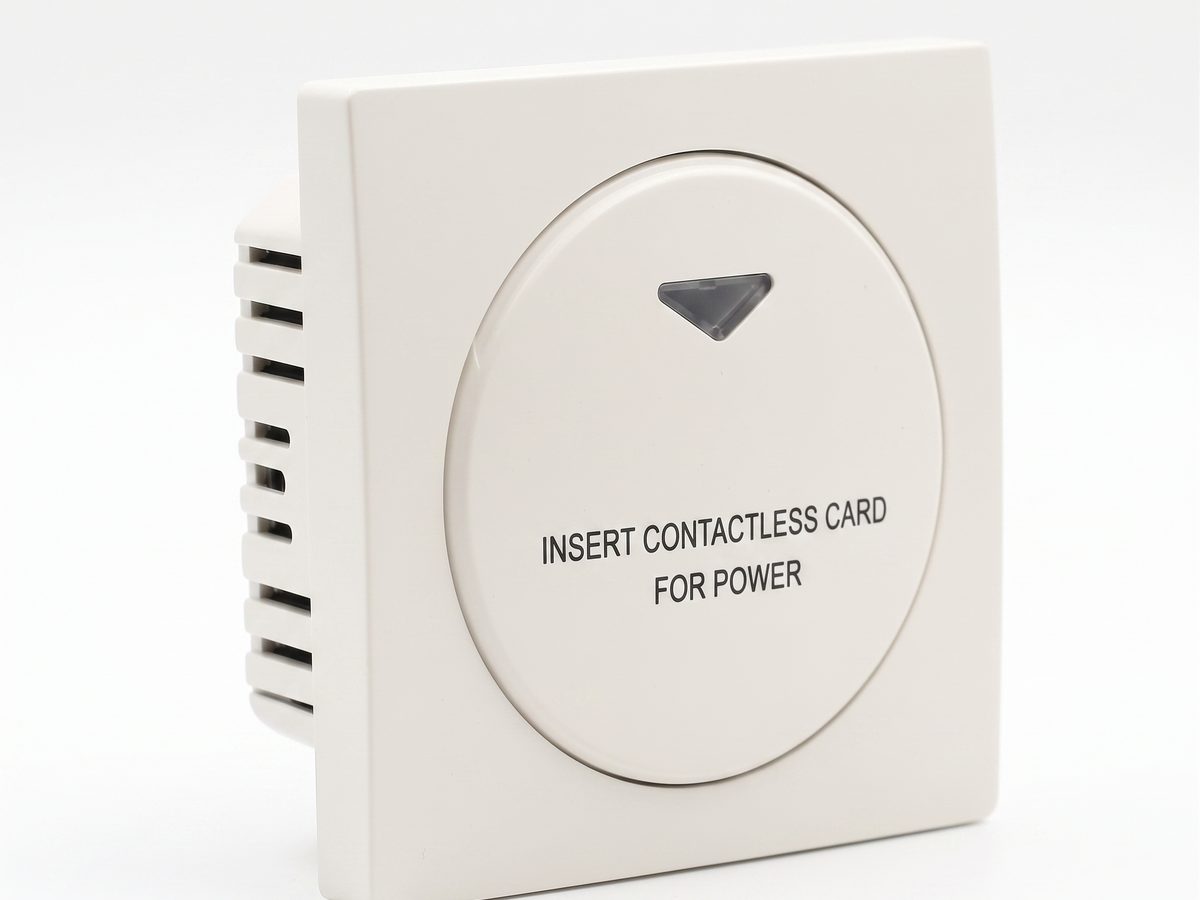
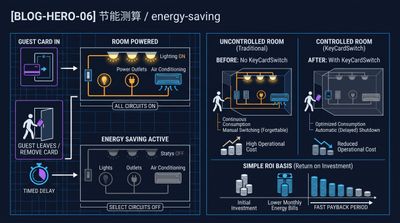
A guest room management system should begin with the actions people understand. The guest inserts an authorized card, room power becomes available, and selected circuits are disconnected when the card is removed. Behind the wall, the card switch provides the detection signal and a correctly rated contactor switches the designated loads. This physical arrangement creates a repeatable room routine without requiring guests to learn a new interface.
The exact behavior belongs to the property's operating brief. Some rooms may switch lights and air-conditioning enable circuits, while others may keep selected outlets or essential services supplied. KeyCardSwitch Engineering Team helps translate those choices into a product and installation plan.
Build a room standard
A useful room standard describes the card type, wall location, faceplate, supply voltage, controlled circuits, contactor position, shutdown delay, and staff override procedure. It should also identify differences between standard rooms, suites, accessible rooms, and serviced apartments. The standard becomes a reference for design, procurement, installation, and maintenance.
A universal card switch keeps the entry workflow simple when the property already issues compatible cards. An RFID energy-saving switch can be selected when a room-bound card is preferred. The correct choice depends on the property's access practice and the desired energy-control rule, not on a generic room count.
Coordinate teams early
Operations can define how guests and housekeeping should use the room. Electrical engineers can confirm circuit grouping and protection. Procurement can verify quantities, packaging, and spare units. Installation teams can check box dimensions and access. Bringing these groups into the sample-room review prevents a visually acceptable switch from creating service problems later.
Validate the complete sequence
Use a representative room to test arrival, departure, cleaning, maintenance, and recovery after a power interruption. Confirm that the card is recognized reliably, the expected circuits energize, and the contactor handles the load without unwanted noise or heat. Remove and reinsert the card repeatedly. Test staff cards and any agreed service procedure.
The acceptance record should state what was tested and who approved it. If a suite or alternate floor uses different wiring, test that configuration separately. A short, factual record helps the rollout team repeat what worked and identify exceptions early.
Scale through documentation
Once the sample is accepted, prepare a room matrix listing each room group, switch configuration, contactor, controlled circuits, faceplate, and quantity. Order spare units according to the property's maintenance approach. Give installers clear labels and a simple handover checklist. These documents are particularly valuable when a hotel is renovated in phases or managed by more than one contractor.
The system can be upgraded room by room while keeping the guest-facing action consistent. That continuity reduces training needs and makes the result easier for staff to explain.
Request a project configuration
Send the room count, room types, card technology, supply voltage, controlled loads, wall-box dimensions, installation country, and schedule. KeyCardSwitch Engineering Team will review the scope and return a recommended configuration, sample plan, and bill of materials. A well-defined room standard is the foundation of dependable guest-room management.