Interruptor de Cartão de Hotel Sem Fio vs Com Fio: Qual Escolher para sua Reforma
Comparação entre interruptores de cartão de hotel sem fio e com fio: complexidade de fiação, facilidade de reforma, confiabilidade, alimentação, custo, latência e cobertura. Como escolher o interruptor certo.
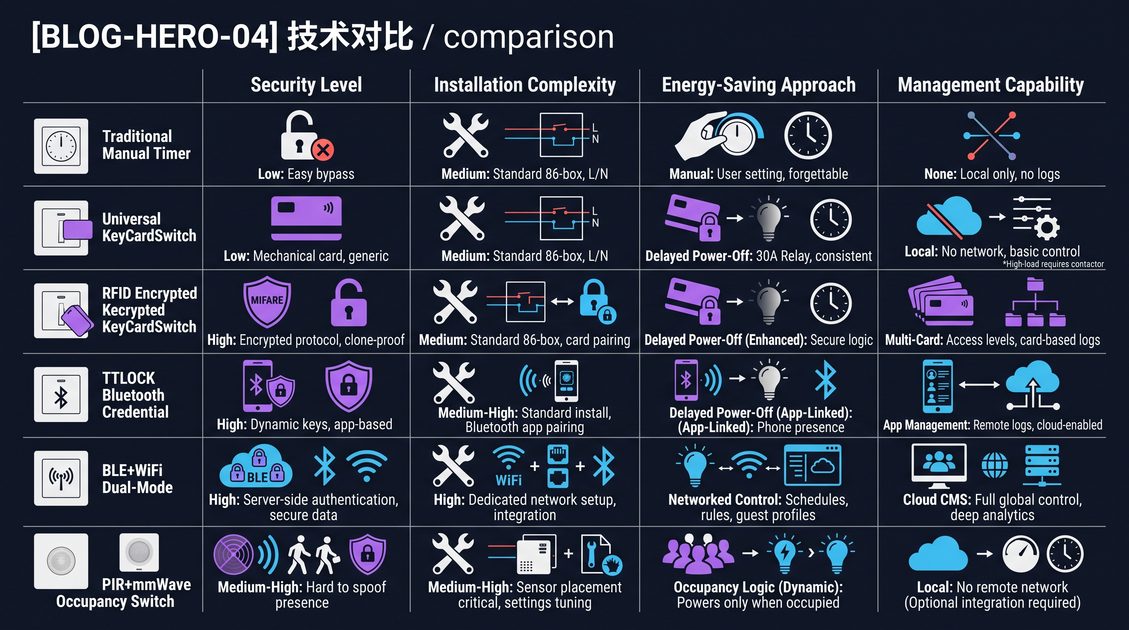
Uma comparação entre interruptor de cartão de hotel sem fio vs com fio centra-se em como o interruptor envia seus dois sinais principais, o estado de cartão inserido e o comando de ligar, de volta às cargas do quarto. Um interruptor de cartão de hotel com fio transporta esses sinais por condutores de cobre que vão do interruptor a um contator, um módulo de relé ou diretamente à linha de alimentação CA que alimenta a iluminação e as tomadas do quarto, o que significa que cada quarto de hóspedes precisa de sua própria passagem de cabo puxada pelo teto, acima do batente da porta ou dentro de um canal de eletrocalha. Um interruptor de cartão de hotel sem fio, em vez disso, incorpora um transceptor de rádio, tipicamente nas bandas de 433 MHz, 868 MHz, 915 MHz ou 2,4 GHz, que acorda em uma programação de baixa frequência e envia a mudança de estado a um nó receptor em outro lugar do quarto, removendo a necessidade de um cabo de sinal dedicado de volta ao ponto de distribuição de energia. As duas abordagens diferem na complexidade da fiação de instalação, viabilidade de reforma, confiabilidade a longo prazo, como são alimentadas, o custo total instalado e a cobertura ou latência que podem garantir. Este guia compara essas dimensões e explica como escolher o interruptor certo.
O Que Significa Interruptor de Cartão de Hotel Sem Fio vs Com Fio para a Fiação de Instalação
A diferença central em qualquer decisão de interruptor de cartão de hotel sem fio vs com fio é a quantidade de fiação de instalação que cada abordagem exige em um quarto de hóspedes. Um interruptor de cartão com fio requer um caminho de sinal que conecte fisicamente o corpo do interruptor ao ponto de controle de energia do quarto, então o instalador deve rotear pelo menos um cabo do interruptor, geralmente montado ao lado da porta no interior do quarto, até o ponto de distribuição que comuta a iluminação, as tomadas e o ar condicionado. Em um hotel de concreto, a passagem muitas vezes percorre o vão do teto, desce dentro da cavidade da parede ao lado do batente da porta ou passa ao longo de um canal de eletrocalha aparente quando a estrutura do edifício é sólida e não pode ser canalizada facilmente. Cada quarto repete esse processo, então uma propriedade de 200 quartos multiplica o comprimento do cabo, os pontos de fixação e as horas de mão de obra por duzentos. Um interruptor de cartão sem fio, por outro lado, não precisa de cabo de sinal algum: o instalador monta o interruptor na parede, conecta uma alimentação local e deixa o enlace de rádio transportar o estado de volta a um receptor próximo ou a um atuador alimentado por bateria no ponto de distribuição. Isso reduz o trabalho de fiação a uma fração do valor com fio, razão pela qual projetos de reforma em hotéis em operação, edifícios tombados e estruturas leves tantas vezes preferem a rota sem fio. Para uma obra nova onde as paredes e tetos estão abertos antes dos acabamentos, o custo extra do cabo da opção com fio é baixo, e o caminho de sinal estável que ela fornece torna-se o fator decisivo. A dimensão da fiação de instalação, portanto, decide a fase do projeto para a qual cada tipo de interruptor é mais adequado: com fio para construção do zero, sem fio para trabalhos de atualização em ocupação onde abrir paredes é disruptivo e caro.
Instalação Com Fio e Complexidade de Roteamento de Cabos
Uma instalação de interruptor de cartão de hotel com fio é construída em torno de um loop de condutor contínuo do interruptor ao dispositivo de controle de energia. A fiação típica inclui um condutor de fase que é comutado, um condutor neutro para o próprio circuito do interruptor e a saída de controle que aciona a bobina de um contator ou relé. Como o interruptor é montado alto ao lado da porta para combinar com a altura do slot do cartão, e o ponto de distribuição geralmente fica perto da entrada do quarto ou em um vão do teto acima do banheiro, o cabo muitas vezes passa por pelo menos duas junções de parede e teto. Cada junção introduz um ponto de terminação, um local de falha potencial e tempo de instalação adicional. Em um hotel em operação, o instalador deve proteger os acabamentos, planejar a rota para evitar passagens elétricas e cabos de dados existentes e coordenar com a agenda de governança para que nenhum quarto fique fora de serviço por mais tempo que o planejado. O trabalho físico de pescar cabo através de um teto acabado, com pontos de puxada a cada poucos metros, pode dominar o custo de toda a atualização do interruptor. Para quartos com paredes de partição de concreto sólido, a eletrocalha aparente pode ser a única rota prática, e isso adiciona hardware visível que o proprietário deve aceitar. A complexidade do roteamento aumenta acentuadamente com a distância entre o interruptor e o ponto de distribuição e com o número de andares servidos por um único quadro de distribuição, então uma solução com fio precisa de coordenação cuidadosa entre o empreiteiro elétrico e a equipe de acabamento interior.
Instalação Sem Fio e Montagem Sem Cabos
Um interruptor de cartão sem fio remove a parte mais longa e cara da cadeia de instalação, o cabo de sinal de volta ao ponto de distribuição. O instalador monta o interruptor na parede ao lado da porta, conecta a alimentação local, que pode ser uma alimentação de baixa tensão ou um compartimento de bateria dependendo do modelo, e configura o enlace de rádio para o receptor. O receptor, que é tipicamente montado perto do ponto de distribuição de energia ou dentro do vão do teto, abre ou fecha um relé que controla os circuitos de iluminação e tomadas. Como não há condutor para rotear através da estrutura do edifício, a opção sem fio se adequa a quartos onde paredes e tetos não podem ser abertos, onde regulamentos de patrimônio ou incêndio restringem canaletas, ou onde a atualização em ocupação deve acontecer sem desocupar o hóspede. O interruptor comunica-se através de uma programação de acordar de baixa frequência, dormindo a maior parte do tempo e acordando apenas para transmitir uma mudança de estado, o que mantém a vida útil da bateria na faixa de vários anos e mantém o tráfego de rádio baixo o suficiente para evitar interferência entre quartos. A eliminação das passagens de cabo também encurta o tempo médio de instalação por quarto de horas para minutos, o que importa para um proprietário que deseja converter um grande bloco de quartos em uma única janela de manutenção. A contrapartida é que o enlace de rádio, a posição do receptor e a alimentação no quarto devem ser planejados cuidadosamente para que o caminho sem fio seja confiável em todos os quartos da propriedade.
Interruptor de Cartão de Hotel Sem Fio vs Com Fio em Cenários de Reforma e Renovação
O trabalho de reforma, onde o hotel já opera e os quartos estão em uso diário, é o cenário onde a escolha entre interruptor de cartão de hotel sem fio vs com fio tem as consequências práticas mais fortes. Em uma reforma, os quartos de hóspedes estão acabados, os tetos estão fechados, as paredes estão decoradas e a propriedade não pode arcar com fechamentos longos. Instalar um interruptor de cartão com fio em um edifício ocupado significa perturbar esses acabamentos para passar novo cabo, e em muitos casos significa tirar cada quarto de serviço por um dia ou mais. O custo de uma reforma com fio inclui, portanto, não apenas os materiais e a mão de obra, mas também a receita de quarto perdida durante o fechamento, e esse custo indireto muitas vezes excede o preço do hardware várias vezes. Um interruptor de cartão sem fio inverte a economia: o instalador completa cada quarto em uma fração do tempo, o quarto de hóspedes pode muitas vezes permanecer reservável no mesmo dia e a estrutura do edifício permanece intacta. Como o interruptor sem fio precisa apenas de uma alimentação local e de uma etapa curta de comissionamento, uma equipe pequena pode converter dezenas de quartos em um único período de manutenção. O cenário de reforma também cobre propriedades onde a própria estrutura do edifício impede a fiação, como hotéis de patrimônio com interiores protegidos, estruturas de partição de madeira ou leves e edifícios alugados onde o proprietário não aprova passagens de cabo estruturais. Para esses locais, o interruptor sem fio não é apenas mais barato, é a única opção viável. Quando a decisão é tomada para uma reforma, a equipe da propriedade deve auditar cada quarto para a cobertura do receptor, a disponibilidade de energia no local do interruptor e o layout do quarto que poderia bloquear o caminho de rádio, porque isso determina se a implantação sem fio tem sucesso em escala.
Reformando um Hotel em Operação sem Fechar Quartos
Um hotel em operação espera receita contínua de cada quarto, então o método de reforma que fecha menos quartos vence. Com um interruptor de cartão com fio, a passagem de cabo quase sempre exige mover os pertences do hóspede, trabalhar acima do teto e deixar o quarto inalugável enquanto o trabalho é feito. Mesmo uma instalação com fio rápida leva várias horas por quarto, e o quarto pode precisar de uma noite para assentar antes de ser revendido. Um interruptor de cartão sem fio cabe dentro de uma janela normal de governança: o técnico substitui o interruptor existente ou monta um novo, conecta a alimentação, vincula o enlace de rádio ao receptor e verifica se a iluminação e as tomadas respondem. O quarto pode retornar ao inventário no mesmo dia. Essa diferença se composta em uma propriedade: uma reforma de 100 quartos feita sem fio pode ser entregue em uma única semana com dois técnicos, onde o mesmo trabalho feito com passagens de cabo poderia levar várias semanas e interromper a disponibilidade de reservas durante todo o período. A propriedade também deve pesar o custo de danos ao edifício e redecoração de cada parede canalizada, já que cada corte, preenchimento e repintura adiciona mão de obra de acabamento e um reparo visível. A reforma sem fio preserva os acabamentos, protege a experiência do hóspede e mantém o fluxo de receita intacto, razão pela qual atualizações em ocupação em hotéis em funcionamento tantas vezes escolhem o caminho sem fio.
Edifícios de Patrimônio, Leves e com Estrutura Restrita
Certos tipos de edifícios tornam a instalação com fio impraticável ou impossível, e estes são os casos de uso sem fio mais claros na comparação. Hotéis de patrimônio com interiores protegidos frequentemente proíbem canalizar paredes ou passar eletrocalhas aparentes, e o processo de aprovação para qualquer mudança estrutural pode levar meses. Edifícios leves usando estruturas de madeira, partições de drywall ou painéis de aço não seguram bem um cabo canalizado, e passar eletrocalha aparente danifica a estética que os hóspedes esperam. Edifícios sob arrendamento onde o senhorio não permite passagens de cabo permanentes através da estrutura eliminam a opção com fio completamente. Para todos estes, um interruptor de cartão sem fio entrega a função de economia de energia e controle de acesso sem modificar a estrutura do edifício, então o interruptor se torna a recomendação padrão. O instalador monta o receptor no vão do teto ou ao lado do quadro de distribuição existente, alimenta-o do circuito existente e deixa o interruptor sem fio reportar o estado do cartão através do quarto. Como o sinal passa por drywall e muitos materiais leves com baixa perda, o caminho sem fio é confiável exatamente nas estruturas onde as passagens de cabo são mais difíceis. A decisão de reforma nesses edifícios não é, portanto, uma comparação próxima: a opção com fio é desqualificada por motivos estruturais, e a opção sem fio se torna o padrão prático.
Confiabilidade e Estabilidade de Sinal de Interruptor de Cartão de Hotel Sem Fio vs Com Fio
A confiabilidade a longo prazo é a dimensão onde os dois tipos de interruptor trocam pontos fortes, e molda toda seleção de interruptor de cartão de hotel sem fio vs com fio para propriedades que não podem tolerar interrupções de quarto. Um interruptor de cartão com fio oferece a maior estabilidade de sinal possível porque o estado é transportado por um condutor contínuo sem caminho de rádio para degradar, então a resposta interruptor-para-carga é imediata e não afetada por paredes, interferência ou distância dentro do quarto. Seus pontos de falha são as terminações físicas, os contatos do relé ou contator e o isolamento do cabo, todos determinísticos e fáceis para um eletricista diagnosticar. Um interruptor de cartão sem fio remove esses cabos, mas introduz um enlace de rádio que deve permanecer confiável através de paredes, móveis metálicos e canais adjacentes, então seu design deve compensar com margem de enlace forte, um protocolo de acordar de baixa potência e uma arquitetura de receptor que confirma a entrega e repete em caso de falha. Na prática, um interruptor sem fio bem projetado atinge confiabilidade muito alta durante sua vida útil de bateria ou alimentado porque a distância dentro de um único quarto de hóspedes é curta, a transmissão é repetida até ser reconhecida e o receptor é montado em uma posição com caminho livre. A comparação, portanto, se resume à natureza do risco: um enlace com fio falha raramente, mas suas falhas podem ser intensivas em mão de obra para rastrear, enquanto um enlace sem fio pode, em princípio, ser afetado por um layout de quarto alterado ou um dispositivo interferente, mas falha sem qualquer trabalho de cabeamento porque o instalador simplesmente substitui ou reposiciona um nó. A equipe de manutenção deve combinar o tipo de interruptor escolhido com a estrutura do edifício, o tamanho do quarto e a condição da fiação, porque um interruptor que é confiável em uma propriedade pode ser um passivo em outra se o caminho de rádio ou a rota do cabo for ruim.
Caminho de Sinal Com Fio e Comportamento Determinístico
Um interruptor de cartão com fio comporta-se de forma determinística porque cada mudança de estado viaja por um condutor com resistência fixa, e a resposta no relé é essencialmente simultânea com a inserção do cartão. O instalador pode verificar o caminho com um medidor de continuidade, e qualquer falha é encontrada verificando as terminações em ordem, que é um procedimento padrão para qualquer eletricista. Esse determinismo é valioso em quartos onde um ligar atrasado incomodaria o hóspede, como uma luz de corredor ou um exaustor de banheiro que deve energizar no momento em que o cartão entra. A abordagem com fio também é imune à interferência de rádio que pode ocasionalmente afetar um nó sem fio em uma instalação densa, e não depende do estado da bateria ou do receptor estar dentro do alcance, porque o receptor e o interruptor são o mesmo dispositivo ou um par com fio. A contrapartida é que o comportamento determinístico depende inteiramente da integridade do cabo e suas terminações, e em um edifício antigo a fiação existente pode estar cansada, as terminações podem corroer ou a rota pode ter sido danificada por uma modificação anterior. Para uma propriedade nova ou recabeada, o caminho com fio é a garantia mais forte de confiabilidade, razão pela qual a opção com fio permanece o padrão para novas construções e para propriedades que exigem a menor latência possível interruptor-para-carga.
Enlace Sem Fio de Baixa Potência e Entrega Confirmada
Um interruptor de cartão sem fio atinge confiabilidade através de um protocolo de rádio projetado para vida de bateria e alimentado. O interruptor passa a maior parte do tempo em um estado de sono de baixa potência e acorda em uma programação de baixa frequência, tipicamente a cada poucos centésimos de segundo, para ouvir um comando ou transmitir uma mudança de estado quando o cartão é inserido ou removido. Como a distância dentro de um quarto de hóspedes é curta, a margem de enlace é alta e o sinal é reconhecido pelo receptor, então um quadro perdido é retransmitido até ser confirmado, o que remove o risco de um evento de ligar perdido. O receptor, montado no ponto de distribuição, decodifica a mensagem e aciona o relé, e pode ser alimentado da alimentação existente para que sua própria bateria não limite a instalação. O protocolo mantém o tráfego de rádio baixo, o que reduz a chance de colisão entre quartos vizinhos, e a banda de operação é escolhida para o ambiente regulatório local, com 433 MHz e 868 MHz comuns em grande parte do mundo e 915 MHz em partes das Américas, então o caminho tem forte penetração através de paredes internas padrão. O design de entrega confirmada e a curta distância no quarto juntos dão a um interruptor sem fio bem especificado um perfil de confiabilidade que atende às demandas de uma propriedade comercial, e qualquer mudança futura, como uma nova partição metálica ou um layout de móveis diferente, pode ser tratada reposicionando um nó em vez de recabeando.
Alimentação e Comportamento Energético de Interruptor de Cartão de Hotel Sem Fio vs Com Fio
A forma como cada tipo de interruptor é alimentado é uma restrição prática que compradores pesam cedo em qualquer avaliação de interruptor de cartão de hotel sem fio vs com fio. Um interruptor de cartão de hotel com fio é alimentado da rede CA do quarto, seja diretamente do circuito comutado ou de uma alimentação de baixa tensão derivada dele, então tem uma fonte de energia efetivamente ilimitada e não precisa de manutenção de bateria. O próprio interruptor consome uma pequena quantidade de energia que contribui para a carga ociosa do quarto, mas como faz parte do circuito controlado, consome apenas quando o quarto está em uso ou em um estado de espera baixo. Um interruptor de cartão de hotel sem fio pode ser alimentado de duas formas: de uma alimentação local de baixa tensão, geralmente um pequeno adaptador CA ou uma alimentação regulada derivada do circuito de iluminação do quarto, ou de baterias internas quando uma instalação completamente sem fio é necessária. Interruptores sem fio alimentados por bateria são projetados para rodar por anos em uma programação de acordar de baixa frequência, com o rádio dormindo entre transmissões, mas a bateria é um recurso finito que a equipe de manutenção deve rastrear e eventualmente substituir. Interruptores sem fio alimentados removem a preocupação com bateria, mas ainda exigem uma pequena alimentação no local do interruptor, que geralmente é simples de fornecer porque a entrada do quarto tem fiação existente. O comportamento energético também afeta o método de comutação: ambos os tipos tipicamente acionam um relé ou contator que controla as cargas do quarto, e o benefício de economia de energia vem de cortar a energia da iluminação, tomadas e ar condicionado quando o cartão é removido, independentemente do tipo de enlace. Nenhuma abordagem deve ser especificada com a promessa de uma porcentagem de energia fixa, porque a economia real depende do padrão de ocupação do quarto e das cargas instaladas.
Alimentação de Rede Com Fio e Baixa Manutenção
O interruptor de cartão com fio obtém sua energia de operação da rede do quarto, então nunca precisa de substituição de bateria e pode ser deixado em serviço pela vida do acabamento. Como o interruptor é com fio no circuito controlado, o instalador não precisa planejar um ponto de alimentação separado, e o mesmo condutor que transporta a fase comutada pode fornecer a alimentação lógica através de um estágio de potência interno. Isso remove uma classe inteira de tarefas de manutenção, já que não há célula para trocar e nenhum circuito de carregamento para inspecionar. O interruptor com fio também entrega uma função pequena mas útil, pois seu estado está sempre sincronizado com a rede, então um corte de energia que reinicia o interruptor é tratado por uma reinicialização normal em vez de por uma bateria descarregada. O custo dessa simplicidade é que o interruptor com fio deve ser alcançado por um condutor de alimentação, que é exatamente o cabo que um projeto de reforma está tentando evitar. Para uma obra nova ou um quarto recabeado, a alimentação de rede é gratuita, e a baixa manutenção da opção com fio se torna uma vantagem operacional genuína sobre a vida do quarto.
Variantes Sem Fio de Bateria e Alimentadas
Um interruptor de cartão sem fio oferece ao instalador uma escolha entre operação por bateria e uma alimentação local de baixa tensão, e essa escolha afeta o plano de manutenção. A variante de bateria é a mais atraente para os locais de reforma mais difíceis porque não precisa de condutor algum no interruptor, e a programação de acordar de baixa frequência mantém o consumo baixo o suficiente para uma vida de célula de vários anos. A equipe de manutenção deve manter um estoque das células corretas e agendar substituição periódica, mas como o interruptor reporta seu estado e o receptor pode sinalizar uma bateria fraca, a substituição pode ser planejada em vez de reativa. A variante sem fio alimentada remove a preocupação com bateria alimentando o interruptor de uma pequena alimentação regulada derivada da iluminação existente do quarto, então a instalação mantém o benefício de reforma sem cabo enquanto elimina o serviço periódico de bateria. Em ambas as variantes, o interruptor aciona as cargas do quarto através de um relé no receptor, então a comutação de alta corrente fica no ponto de distribuição e o interruptor sem fio em si lida apenas com o sinal de controle de baixa potência. Compradores devem confirmar o consumo em espera da variante alimentada e a vida de bateria declarada da variante de bateria, porque esses valores, não as alegações de marketing, determinam o custo operacional e o intervalo de serviço para a propriedade.
Comparação de Custo de Interruptor de Cartão de Hotel Sem Fio vs Com Fio
Custo total é frequentemente o fator decisivo, e uma comparação de custo adequada de interruptor de cartão de hotel sem fio vs com fio deve olhar além do preço unitário para o custo instalado em toda a propriedade. O preço unitário de um interruptor de cartão com fio é geralmente menor que o de um modelo sem fio comparável, porque o interruptor com fio não tem módulo de rádio e nem nó receptor. Mas o custo instalado da opção com fio inclui o cabo, as eletrocalhas ou conduítes, a mão de obra de terminação, a redecoração de quaisquer superfícies canalizadas e, em uma reforma, a receita de quarto perdida durante o fechamento, e esses itens tipicamente excedem a economia de hardware por uma ampla margem. A opção sem fio carrega um custo de hardware maior por quarto, para o interruptor e o receptor, mas quase elimina o cabo, a eletrocalha e os reparos de superfície, e corta o tempo de mão de obra por quarto drasticamente, então o custo total instalado para uma reforma sem fio é frequentemente menor que o equivalente com fio. Para uma obra nova, o cálculo inverte porque os cabos são instalados antes dos acabamentos e o custo marginal de uma passagem extra é pequeno, então o preço de hardware menor do interruptor com fio pode torná-lo o total mais barato. A comparação também inclui o custo operacional sobre a vida do interruptor: a opção com fio não tem bateria, enquanto um interruptor sem fio de bateria precisa de células periódicas, embora a variante sem fio alimentada evite essa linha de item. Um comprador deve construir uma tabela com o preço do hardware, o cabo e acessórios, a mão de obra por quarto, o reparo de superfície, o impacto do fechamento e o serviço de ciclo de vida, e aplicá-la ao número de quartos na propriedade para chegar a uma decisão justa.
Hardware, Cabo e Custo de Mão de Obra por Quarto
O custo por quarto é a figura que uma equipe de compras pode comparar diretamente. Para um interruptor de cartão com fio, o hardware é modesto, mas o cabo e acessórios somam, com vários metros de condutor, clipes de parede ou eletrocalha e materiais de terminação por quarto, e a mão de obra é o item dominante porque a passagem deve ser planejada, puxada, terminada e testada. Em uma reforma, o reparo de superfície e o fechamento adicionam custo indireto adicional. Para um interruptor de cartão sem fio, o hardware inclui o interruptor e seu receptor, o que eleva a figura unitária, mas a mão de obra é uma pequena fração do valor com fio porque não há cabo para puxar, e não há penalidade de reparo de superfície ou fechamento. Em um bloco de cem quartos, a diferença em horas totais de mão de obra é a principal alavanca na fatura final, e em muitos mercados decide qual opção é mais barata. Uma regra prática é que a opção sem fio vence a comparação de custo em reforma e implantações multi-andar, enquanto a opção com fio vence em construção nova e em pequenas reformas de quarto único onde a rota do cabo é curta.
Custo de Ciclo de Vida e Manutenção
Além da primeira instalação, o panorama de custo inclui a manutenção que mantém o interruptor funcionando pela vida do quarto. Um interruptor de cartão com fio não tem bateria e nem rádio para servir, então seu custo de ciclo de vida concentra-se nas falhas determinísticas de terminações e contatos de relé, que um eletricista pode diagnosticar rapidamente. Um interruptor sem fio de bateria adiciona uma linha de item recorrente para as células e a mão de obra de substituição, espalhada pela vida de bateria de vários anos, e a propriedade deve manter peças de reposição e rastrear o cronograma de substituição. Um interruptor sem fio alimentado remove o custo da bateria, mas mantém o nó receptor como um ponto de serviço que deve permanecer saudável. A equipe de manutenção deve pesar o baixo custo rotineiro da opção com fio contra a vantagem sem cabeamento da opção sem fio, e deve notar que a variante sem fio alimentada oferece a maior parte do benefício de instalação sem fio com um custo de ciclo de vida próximo ao valor com fio. Para uma propriedade planejando uma vida operacional de dez anos, a linha de ciclo de vida pode ser tão importante quanto a linha de primeira instalação, então ambas devem ser modeladas juntas.
Latência, Cobertura e Escopo de Controle de Interruptor de Cartão de Hotel Sem Fio vs Com Fio
O comportamento de controle dos dois tipos de interruptor difere na latência interruptor-para-carga, a cobertura que podem fornecer e o escopo do que controlam, todos importantes para a experiência do quarto. Um interruptor de cartão de hotel com fio responde ao cartão quase instantaneamente porque o sinal viaja por um condutor, então a iluminação e o ar condicionado energizam no momento em que o cartão é inserido, e o quarto corta a energia no momento em que o cartão é removido. Essa baixa latência é confortável para hóspedes e suporta comportamento rápido como uma luz de corredor que deve acender imediatamente. Um interruptor de cartão de hotel sem fio introduz um pequeno atraso de transmissão na ordem do intervalo de acordar, tipicamente uma fração de segundo, porque o interruptor deve acordar, transmitir e receber um reconhecimento antes que o relé opere, e um design bem ajustado mantém esse atraso pequeno o suficiente para que o hóspede não o perceba. A cobertura de um sistema com fio é efetivamente ilimitada dentro da propriedade porque cada quarto tem seu próprio condutor e não há canal de rádio compartilhado para saturar. A cobertura de um sistema sem fio depende do posicionamento do receptor e do plano de rádio, mas como cada quarto tem seu próprio receptor, a carga do canal é baixa e a cobertura é confiável. O escopo de controle também difere em flexibilidade: um interruptor com fio controla as cargas através de sua saída fixa, enquanto um interruptor sem fio pode rotear seu estado para um receptor que controla as cargas do quarto e, em alguns modelos, um conjunto de saídas configuráveis, o que dá à equipe de engenharia mais liberdade de layout quando as cargas do quarto são distribuídas.
Resposta Interruptor-para-Carga e Experiência do Hóspede
O tempo de resposta molda a experiência do hóspede na porta. Com um interruptor com fio, a carga energiza no momento da inserção do cartão, que é o comportamento que um hóspede espera ao entrar em um quarto escuro e procurar o interruptor de luz. Com um interruptor sem fio, o mesmo evento acontece após o curto ciclo de acordar-e-transmitir, e em um bom design isso é uma fração de segundo, então a experiência prática é quase idêntica. A equipe de engenharia deve confirmar o tempo de resposta declarado do modelo sem fio e não deve aceitar um design com um intervalo de sondagem longo, porque um atraso de mais de um segundo faz o quarto parecer sem resposta. A resposta interruptor-para-carga também afeta o comportamento de desligar, onde as cargas do quarto devem cortar prontamente na remoção do cartão para entregar a economia de energia sem deixar luzes acesas. Ambos os tipos de interruptor podem ser configurados para um curto atraso na remoção para que o compressor do ar condicionado não reinicie muito rapidamente, mas o corte de energia base deve ser imediato. Compradores devem tratar o tempo de resposta como uma especificação a verificar, não uma suposição, e devem preferir um modelo sem fio que declare seu intervalo de acordar e seu tempo de resposta do relé na folha de dados.
Cobertura, Alcance e Planejamento de Canal
O planejamento de cobertura e alcance difere entre os dois tipos. Um interruptor com fio não tem alcance de rádio para planejar, porque cada quarto é autossuficiente em seu próprio condutor, então uma propriedade de qualquer tamanho pode ser cabeada sem se preocupar com saturação de canal ou interferência entre andares. Um interruptor sem fio precisa de um plano de rádio: o receptor deve ser colocado dentro do alcance do interruptor, a banda deve atender às regulamentações locais e aos materiais do edifício, e o protocolo de baixa frequência deve manter o canal livre para que muitos quartos possam compartilhar a mesma frequência sem colidir. Como cada quarto tipicamente tem seu próprio receptor, a cobertura prática é por quarto, e o instalador deve garantir que o receptor tenha um caminho livre através do batente da porta e do vão do teto. O design de acordar de baixa frequência mantém a transmissão de cada quarto curta e rara, o que permite que um andar denso funcione em um canal compartilhado. A equipe de engenharia deve testar o caminho de rádio em quartos representativos, incluindo os quartos de canto e os quartos com partições metálicas, antes de comprometer a propriedade inteira, porque a validação da cobertura é a principal tarefa de planejamento única da opção sem fio.
Interruptor de Cartão de Hotel Sem Fio vs Com Fio: Como Escolher a Opção Certa
Reunindo as dimensões, a escolha entre um interruptor de cartão de hotel sem fio e um com fio é decidida pela fase do projeto, a estrutura do edifício e as restrições operacionais, e para grandes propriedades uma implantação híbrida é frequentemente a melhor resposta. Escolha um interruptor de cartão com fio para construção nova, para projetos de recabeamento e para quartos onde a menor latência e a maior confiabilidade determinística importam, porque o custo do cabo é baixo quando o edifício está aberto e o caminho com fio é a garantia mais forte. Escolha um interruptor de cartão sem fio para reforma de hotel em operação, para edifícios de patrimônio ou leves, para quartos que não podem ser fechados e para qualquer projeto onde a estrutura do edifício deve permanecer intacta, porque a instalação sem cabo é mais rápida, mais barata e menos disruptiva. Para uma grande propriedade que mistura tipos de edifícios, implante uma solução híbrida: use interruptores com fio nas alas que estão sendo recabeadas ou recém-construídas, e interruptores sem fio nas alas ocupadas e nas áreas de estrutura restrita, para que cada quarto use a opção mais econômica e confiável disponível. Em todos os casos, verifique as especificações das quais a decisão depende, o tempo de resposta, a vida da bateria ou requisito de alimentação, a banda regulatória e a cobertura do receptor, e valide a escolha em um quarto piloto antes de escalar para o bloco completo. Uma tabela de decisão é fornecida abaixo para resumir a lógica de seleção para o comprador e a equipe de engenharia.
| Fator de decisão | Interruptor de cartão com fio | Interruptor de cart A wireless vs wired hotel key card switch comparison centers on how the switch sends its two main signals, the card-inserted state and the power-on command, back to the in-room loads. A wired hotel key card switch carries these signals over copper conductors that run from the switch to a contactor, a relay module, or directly to the AC power line that feeds the room lighting and outlets, which means every guest room needs its own cable run pulled through the ceiling, above the door header, or inside a trunking channel. A wireless hotel key card switch instead embeds a radio transceiver, typically in the 433 MHz, 868 MHz, 915 MHz or 2.4 GHz band, that wakes on a low-frequency schedule and sends the state change to a receiver node elsewhere in the room, removing the need for a dedicated signal cable back to the power distribution point. The two approaches differ on installation wiring complexity, retrofit feasibility, long-term reliability, how they are powered, the total installed cost, and the coverage or latency they can guarantee. This guide compares these dimensions and explains how to choose the right switch.
What Wireless vs Wired Hotel Key Card Switch Means for Installation Wiring
The central difference in any wireless vs wired hotel key card switch decision is the amount of installation wiring each approach demands in a guest room. A wired key card switch requires a signal path that physically connects the switch body to the room power control point, so the installer must route at least one cable from the switch, usually mounted beside the door on the inside of the room, to the distribution point that switches the lighting, the sockets, and the air conditioner. In a concrete-built hotel the run often travels through the ceiling void, drops down inside the wall cavity beside the door frame, or passes along a surface-mounted trunking channel when the building fabric is solid and cannot be chased easily. Every room repeats this process, so a 200-room property multiplies the cable length, the fixing points, and the labour hours by two hundred. A wireless key card switch, by contrast, needs no signal cable at all: the installer mounts the switch on the wall, connects a local supply, and lets the radio link carry the state back to a nearby receiver or to a battery-powered actuator at the distribution point. This collapses the wiring work to a fraction of the wired figure, which is why retrofit projects in operating hotels, listed buildings, and lightweight structures so often prefer the wireless route. For a new build where the walls and ceilings are open before the finishes go in, the extra cable cost of the wired option is low, and the stable signal path it provides becomes the deciding factor. The installation wiring dimension therefore decides the project phase for which each switch type is best suited: wired for ground-up construction, wireless for occupancy upgrade work where opening walls is disruptive and expensive.
Wired Installation and Cable Routing Complexity
A wired hotel key card switch installation is built around a continuous conductor loop from the switch to the power control device. The typical wiring includes a phase conductor that is switched, a neutral conductor for the switch circuit itself, and the control output that drives a contactor or a relay coil. Because the switch is mounted high beside the door to match the card slot height, and the distribution point is usually near the room entrance or in a ceiling void above the bathroom, the cable often passes through at least two wall and ceiling junctions. Each junction introduces a termination point, a potential failure location, and additional installation time. In an operating hotel, the installer must protect the finished surfaces, plan the route to avoid existing electrical runs and data cables, and coordinate with the housekeeping schedule so that no room stays out of service longer than planned. The physical labour of fishing cable through a finished ceiling, with pull points every few metres, can dominate the cost of the entire switch upgrade. For rooms with solid concrete partition walls, surface trunking may be the only practical route, and that adds visible hardware that the owner must accept. The routing complexity rises sharply with the distance between the switch and the distribution point and with the number of floors served by a single switchboard, so a wired solution needs careful coordination between the electrical contractor and the interior fit-out team.
Wireless Installation and No-Cable Mounting
A wireless key card switch removes the longest and most expensive part of the installation chain, the signal cable back to the distribution point. The installer mounts the switch on the wall beside the door, connects the local supply, which can be a low-voltage feed or a battery compartment depending on the model, and configures the radio link to the receiver. The receiver, which is typically mounted near the power distribution point or inside the ceiling void, closes or opens a relay that controls the lighting and socket circuits. Because there is no conductor to route through the fabric of the building, the wireless option suits rooms where the walls and ceilings cannot be opened, where heritage or fire regulations restrict chasing, or where the occupancy upgrade must happen without decanting the guest. The switch communicates over a low-frequency wake-up schedule, sleeping most of the time and waking only to transmit a state change, which keeps battery life in the multi-year range and keeps radio traffic low enough to avoid interference between rooms. The elimination of cable runs also shortens the average installation time per room from hours to minutes, which matters to a property owner who wants to convert a large room block over a single maintenance window. The trade-off is that the radio link, the receiver position, and the in-room supply must be planned carefully so that the wireless path is reliable across every room in the property.
Wireless vs Wired Hotel Key Card Switch in Retrofit and Renovation Scenarios
Retrofit work, where the hotel already operates and the rooms are in daily use, is the scenario where the wireless vs wired hotel key card switch choice has the strongest practical consequences. In a retrofit, the guest rooms are finished, the ceilings are closed, the walls are decorated, and the property cannot afford long closures. Installing a wired key card switch in an occupied building means disturbing those finished surfaces to run new cable, and in many cases it means taking each room out of service for a day or more. The cost of a wired retrofit therefore includes not only the materials and labour but also the lost room revenue during the closure, and this indirect cost often exceeds the hardware price several times over. A wireless key card switch flips the economics: the installer completes each room in a fraction of the time, the guest room can often stay bookable the same day, and the building fabric stays intact. Because the wireless switch needs only a local supply and a short commissioning step, a small crew can convert dozens of rooms in a single maintenance period. The retrofit scenario also covers properties where the building fabric itself rules out wiring, such as heritage hotels with protected interiors, timber or lightweight partition structures, and rented buildings where the owner will not approve structural cable runs. For these sites the wireless switch is not merely cheaper, it is the only feasible option. When the decision is made for a retrofit, the property team should audit every room for the receiver coverage, the power availability at the switch location, and the room layout that could block the radio path, because these determine whether the wireless deployment succeeds at scale.
Retrofitting an Operating Hotel without Closing Rooms
An operating hotel expects continuous revenue from every room, so the retrofit method that closes the fewest rooms wins. With a wired key card switch, the cable run almost always requires moving the guest's belongings, working above the ceiling, and leaving the room unrentable while the work is done. Even a fast wired install takes several hours per room, and the room may need a night to settle before it is resold. A wireless key card switch fits within a normal housekeeping window: the technician replaces the existing switch or mounts a new one, connects the supply, binds the radio link to the receiver, and verifies that the lighting and sockets respond. The room can return to inventory on the same day. This difference compounds across a property: a 100-room retrofit done wirelessly can be delivered in a single week with two technicians, where the same work done with cable runs could take several weeks and disrupt booking availability throughout. The property must also weigh the building damage and redecoration cost of every chased wall, since each cut, filled and repainted surface adds finishing labour and a visible repair. Wireless retrofit preserves the finishes, protects the guest experience, and keeps the revenue stream intact, which is why occupancy upgrades in running hotels so often choose the wireless path.
Heritage, Lightweight and Restricted-Structure Buildings
Certain building types make wired installation impractical or impossible, and these are the clearest wireless use cases in the comparison. Heritage hotels with protected interiors frequently prohibit chasing walls or running visible trunking, and the approval process for any structural change can take months. Lightweight buildings using timber frames, drywall partitions or steel-clad panels do not hold a chased cable well, and running surface trunking damages the aesthetic that guests expect. Buildings under lease where the landlord will not permit permanent cable runs across the structure rule out the wired option outright. For all of these, a wireless key card switch delivers the energy-saving and access-control function without modifying the building fabric, so the switch becomes the standard recommendation. The installer mounts the receiver in the ceiling void or beside the existing distribution board, powers it from the existing circuit, and lets the wireless switch report the card state across the room. Because the signal passes through drywall and many lightweight materials with low loss, the wireless path is dependable in exactly the structures where cable runs are hardest. The retrofit decision in these buildings is therefore not a close comparison at all: the wired option is disqualified on structural grounds, and the wireless option becomes the practical default.
Reliability and Signal Stability of Wireless vs Wired Hotel Key Card Switch
Long-term reliability is the dimension where the two switch types trade strengths, and it shapes every wireless vs wired hotel key card switch selection for properties that cannot tolerate room outages. A wired key card switch offers the highest possible signal stability because the state is carried over a continuous conductor with no radio path to degrade, so the switch-to-load response is immediate and unaffected by walls, interference or distance within the room. Its failure points are the physical terminations, the relay or contactor contacts, and the cable insulation, all of which are deterministic and easy for an electrician to diagnose. A wireless key card switch removes those cables but introduces a radio link that must stay reliable across walls, metal furniture and adjacent channels, so its design must compensate with strong link margin, a low-power wake-up protocol, and a receiver architecture that confirms delivery and retries on failure. In practice a well-designed wireless switch achieves very high reliability over its battery or powered life because the distance inside a single guest room is short, the transmission is repeated until acknowledged, and the receiver is mounted in a position with a clear path. The comparison therefore comes down to the nature of the risk: a wired link fails rarely but its failures can be labour-intensive to trace, while a wireless link can in principle be affected by a changed room layout or an interfering device, but it fails without any cabling work because the installer simply replaces or repositions a node. The maintenance team should match the chosen switch type to the building structure, the room size, and the wiring condition, because a switch that is reliable in one property can be a liability in another if the radio path or the cable route is poor.
Wired Signal Path and Deterministic Behaviour
A wired key card switch behaves deterministically because every state change travels over a conductor with a fixed resistance, and the response at the relay is essentially simultaneous with the card insertion. The installer can verify the path with a continuity meter, and any fault is found by checking the terminations in order, which is a standard procedure for any electrician. This determinism is valuable in rooms where a delayed power-on would inconvenience the guest, such as a corridor light or a bathroom extractor that must energise the moment the card goes in. The wired approach is also immune to the radio interference that can occasionally affect a wireless node in a dense installation, and it does not depend on battery state or on the receiver being within range, because the receiver and the switch are the same device or a hard-wired pair. The trade-off is that the deterministic behaviour depends entirely on the integrity of the cable and its terminations, and in an old building the existing wiring may be tired, the terminations may corrode, or the route may have been damaged by a previous modification. For a new or rewired property the wired path is the strongest guarantee of reliability, which is why the wired option remains the default for new construction and for properties that demand the lowest possible switch-to-load latency.
Wireless Low-Power Link and Acknowledged Delivery
A wireless key card switch achieves reliability through a radio protocol designed for battery and powered life. The switch spends most of its time in a low-power sleep state and wakes on a low-frequency schedule, typically every few hundred milliseconds, to listen for a command or to transmit a state change when the card is inserted or removed. Because the distance inside a guest room is short, the link margin is high and the signal is acknowledged by the receiver, so a missed frame is retransmitted until it is confirmed, which removes the risk of a lost power-on event. The receiver, mounted at the distribution point, decodes the message and drives the relay, and it can be powered from the existing supply so that its own battery does not limit the installation. The protocol keeps radio traffic low, which reduces the chance of collision between neighbouring rooms, and the operating band is chosen for the local regulatory environment, with 433 MHz and 868 MHz common in much of the world and 915 MHz in parts of the Americas, so the path has strong penetration through standard interior walls. The acknowledged-delivery design and the short in-room distance together give a well-specified wireless switch a reliability profile that meets the demands of a commercial property, and any future change, such as a new metal partition or a different furniture layout, can be handled by repositioning a node rather than by rewiring.
Power Supply and Energy Behaviour of Wireless vs Wired Hotel Key Card Switch
The way each switch type is powered is a practical constraint that buyers weigh early in any wireless vs wired hotel key card switch evaluation. A wired hotel key card switch is powered from the room AC mains, either directly from the switched circuit or from a low-voltage supply derived from it, so it has an effectively unlimited energy source and needs no battery maintenance. The switch itself consumes a small amount of power that contributes to the room idle load, but because it is part of the controlled circuit it draws only when the room is in use or in a low standby state. A wireless hotel key card switch can be powered in two ways: from a local low-voltage supply, usually a small AC adapter or a regulated feed tapped from the room lighting circuit, or from internal batteries when a completely cordless installation is required. Battery-powered wireless switches are designed to run for years on a low-frequency wake-up schedule, with the radio sleeping between transmissions, but the battery is a finite resource that the maintenance team must track and eventually replace. Powered wireless switches remove the battery concern but still require a small supply at the switch location, which is usually simple to provide because a room entrance has existing wiring. The energy behaviour also affects the switching method: both types typically drive a relay or a contactor that controls the room loads, and the energy-saving benefit comes from cutting power to lighting, sockets and the air conditioner when the card is removed, regardless of the link type. Neither approach should be specified with a promise of a fixed energy percentage, because the real saving depends on the room occupancy pattern and the loads installed.
Wired Mains Supply and Low Maintenance
The wired key card switch draws its operating power from the room mains, so it never needs a battery replacement and it can be left in service for the life of the fit-out. Because the switch is hard-wired into the controlled circuit, the installer does not need to plan a separate supply point, and the same conductor that carries the switched phase can provide the logic supply through an internal power stage. This removes a whole class of maintenance tasks, since there is no cell to swap and no charging circuit to inspect. The wired switch also delivers a small but useful function in that its state is always synchronised with the mains, so a power cut that resets the switch is handled by a normal restart rather than by a depleted battery. The cost of this simplicity is that the wired switch must be reached by a supply conductor, which is exactly the cable that a retrofit project is trying to avoid. For a new build or a rewired room the mains supply is free, and the low maintenance of the wired option becomes a genuine operating advantage over the life of the room.
Wireless Battery and Powered Variants
A wireless key card switch offers the installer a choice between battery operation and a local low-voltage supply, and that choice affects the maintenance plan. The battery variant is the most attractive for the hardest retrofit sites because it needs no conductor at all at the switch, and the low-frequency wake-up schedule keeps consumption low enough for a multi-year cell life. The maintenance team must keep a stock of the correct cells and schedule periodic replacement, but because the switch reports its state and the receiver can flag a weak battery, the replacement can be planned rather than reactive. The powered wireless variant removes the battery concern by feeding the switch from a small regulated supply tapped from the existing room lighting, so the installation keeps the no-cable retrofit benefit while eliminating the periodic battery service. In both variants the switch drives the room loads through a relay at the receiver, so the high-current switching stays at the distribution point and the wireless switch itself handles only the low-power control signal. Buyers should confirm the standby consumption of the powered variant and the declared battery life of the battery variant, because these values, not the marketing claims, determine the operating cost and the service interval for the property.
Cost Comparison of Wireless vs Wired Hotel Key Card Switch
Total cost is often the deciding factor, and a proper wireless vs wired hotel key card switch cost comparison must look beyond the unit price to the installed cost across the whole property. The unit price of a wired key card switch is usually lower than that of a comparable wireless model, because the wired switch has no radio module and no receiver node. But the installed cost of the wired option includes the cable, the conduits or trunking, the termination labour, the redecoration of any chased surfaces, and in a retrofit the lost room revenue during closure, and these items typically exceed the hardware saving by a wide margin. The wireless option carries a higher hardware cost per room, for the switch and the receiver, but it almost eliminates the cable, the trunking, and the surface repairs, and it cuts the per-room labour time sharply, so the total installed cost for a wireless retrofit is often lower than the wired equivalent. For a new build, the calculation reverses because the cables are installed before the finishes and the marginal cost of an extra run is small, so the lower hardware price of the wired switch can make it the cheaper total. The comparison also includes the running cost over the life of the switch: the wired option has no battery, while a battery wireless switch needs periodic cells, though the powered wireless variant avoids that line item. A buyer should build a table with the hardware price, the cable and accessories, the labour per room, the surface repair, the closure impact, and the lifecycle service, and apply it to the number of rooms in the property to reach a fair decision.
Hardware, Cable and Labour Cost per Room
The cost per room is the figure a procurement team can compare directly. For a wired key card switch, the hardware is modest but the cable and accessories add up, with several metres of conductor, wall clips or trunking, and termination materials per room, and the labour is the dominant item because the run must be planned, pulled, terminated and tested. In a retrofit the surface repair and the closure add further indirect cost. For a wireless key card switch, the hardware includes the switch and its receiver, which raises the unit figure, but the labour is a small fraction of the wired value because there is no cable to pull, and there is no surface repair or closure penalty. Across a block of one hundred rooms, the difference in total labour hours is the main lever on the final invoice, and in many markets it decides which option is cheaper. A practical rule is that the wireless option wins the cost comparison in retrofit and multi-floor rollouts, while the wired option wins in new construction and in small, single-room renovations where the cable route is short.
Lifecycle and Maintenance Cost
Beyond the first installation, the cost picture includes the maintenance that keeps the switch working for the life of the room. A wired key card switch has no battery and no radio to service, so its lifecycle cost is concentrated in the deterministic faults of terminations and relay contacts, which an electrician can diagnose quickly. A battery wireless switch adds a recurring line item for the cells and the replacement labour, spread over the multi-year battery life, and the property must hold spares and track the replacement schedule. A powered wireless switch removes the battery cost but keeps the receiver node as a service point that must stay healthy. The maintenance team should weigh the low routine cost of the wired option against the no-cabling advantage of the wireless option, and should note that the powered wireless variant offers most of the wireless installation benefit with a lifecycle cost close to the wired figure. For a property planning a ten-year operating life, the lifecycle line can be as important as the first-installation line, so both should be modelled together.
Latency, Coverage and Control Scope of Wireless vs Wired Hotel Key Card Switch
The control behaviour of the two switch types differs in the switch-to-load latency, the coverage they can provide, and the scope of what they control, all of which matter to the room experience. A wired hotel key card switch responds to the card almost instantly because the signal travels over a conductor, so the lighting and the air conditioner energise the moment the card is inserted, and the room cuts power the moment the card is removed. This low latency is comfortable for guests and supports quick behaviour like a corridor light that must come on immediately. A wireless hotel key card switch introduces a small transmission delay on the order of the wake-up interval, typically a fraction of a second, because the switch must wake, transmit and receive an acknowledgment before the relay operates, and a well-tuned design keeps this delay small enough that the guest does not notice it. The coverage of a wired system is effectively unlimited within the property because every room has its own conductor and there is no shared radio channel to saturate. The coverage of a wireless system depends on the receiver placement and the radio plan, but because each room has its own receiver the channel load is low and the coverage is dependable. The control scope also differs in flexibility: a wired switch controls the loads through its fixed output, while a wireless switch can route its state to a receiver that controls the room loads and, on some models, a set of configurable outputs, which gives the engineering team more layout freedom when the room loads are distributed.
Switch-to-Load Response and Guest Experience
The response time shapes the guest experience at the door. With a wired switch the load energises at the moment of card insertion, which is the behaviour a guest expects when entering a dark room and looking for the light switch. With a wireless switch the same event happens after the short wake-and-transmit cycle, and on a good design this is a fraction of a second, so the practical experience is nearly identical. The engineering team should confirm the declared response time of the wireless model and should not accept a design with a long polling interval, because a delay of more than a second makes the room feel unresponsive. The switch-to-load response also affects the power-off behaviour, where the room loads must cut promptly on card removal to deliver the energy saving without leaving lights burning. Both switch types can be configured for a short delay on removal so that the air conditioner compressor does not restart too quickly, but the base power-cut should be immediate. Buyers should treat the response time as a specification to verify, not an assumption, and should prefer a wireless model that states its wake-up interval and its relay response time in the datasheet.
Coverage, Range and Channel Planning
The coverage and range planning differ between the two types. A wired switch has no radio range to plan, because each room is self-contained on its own conductor, so a property of any size can be wired without worrying about channel saturation or interference between floors. A wireless switch needs a radio plan: the receiver must be placed within range of the switch, the band must suit the local regulations and the building materials, and the low-frequency protocol must keep the channel clear so that many rooms can share the same frequency without colliding. Because each room typically has its own receiver, the practical coverage is per-room, and the installer must ensure the receiver has a clear path through the door header and the ceiling void. The low-frequency wake-up design keeps each room's transmission short and rare, which lets a dense floor work on a shared channel. The engineering team should test the radio path in representative rooms, including the corner rooms and the rooms with metal partitions, before committing the whole property, because the coverage validation is the main planning task unique to the wireless option.
Wireless vs Wired Hotel Key Card Switch: How to Choose the Right Option
Bringing the dimensions together, the choice between a wireless and a wired hotel key card switch is decided by the project phase, the building structure, and the operating constraints, and for large properties a hybrid deployment is often the best answer. Choose a wired key card switch for new construction, for rewiring projects, and for rooms where the lowest latency and the highest deterministic reliability matter, because the cable cost is low when the building is open and the wired path is the strongest guarantee. Choose a wireless key card switch for retrofit of an operating hotel, for heritage or lightweight buildings, for rooms that cannot be closed, and for any project where the fabric of the building must stay intact, because the no-cable installation is faster, cheaper and less disruptive. For a large property that mixes building types, deploy a hybrid solution: run wired switches in the wings that are being rewired or newly built, and wireless switches in the occupied wings and the restricted-structure areas, so that each room uses the most economical and reliable option available. In every case, verify the specifications that the decision depends on, the response time, the battery life or supply requirement, the regulatory band, and the receiver coverage, and validate the choice in a pilot room before scaling to the full block. A decision table is provided below to summarise the selection logic for the buyer and the engineering team.
| Decision factor | Wired key card switch | Wireless key card switch |
|---|---|---|
| Installation wiring | Full cable run to distribution point | No signal cable, local supply only |
| Retrofit of operating hotel | Disruptive, closes rooms | Fast, room returns same day |
| New construction | Low marginal cable cost, recommended | Optional, usually costlier hardware |
| Signal reliability | Deterministic, no radio path | High, acknowledged low-power link |
| Switch-to-load latency | Near instant | Short wake-and-transmit delay |
| Power supply | Room mains, no battery | Battery or local low-voltage supply |
| Total installed cost | Lower hardware, higher install in retrofit | Higher hardware, lower install in retrofit |
| Maintenance | No battery service | Battery service or powered variant |
| Coverage | Unlimited per-room conductors | Per-room receiver, radio plan needed |
| Best scenario | New build, rewiring, low-latency demand | Retrofit, heritage, restricted structure |
Making the Decision with a Specification and a Pilot Room
A disciplined selection starts with a written specification that fixes the response time, the power supply, the regulatory band, the relay rating, and the room-load control method, and then compares the shortlisted wireless and wired models against it. The specification removes the risk of choosing on price alone and gives the buyer a concrete basis for the pilot. The pilot room validates the assumptions in real conditions: the installer completes one room with each candidate switch, measures the switch-to-load time, checks the receiver coverage from the actual mounting positions, and confirms the housekeeping and guest experience. The results of the pilot feed back into the cost and reliability model before the property commits to the full rollout. For most retrofit projects the pilot will confirm that a wireless switch meets the response and reliability bar while delivering the installation saving, and for new construction the pilot will confirm that the wired switch offers the lowest cost with the strongest determinism. By testing before scaling, the buyer avoids committing a large property to a switch type that looked good on paper but does not hold up in the real rooms.
Wireless vs Wired Hotel Key Card Switch: Matching the Switch to the Project
The wireless vs wired hotel key card switch decision is not about which technology is objectively better, but about which matches the specific project. Wired switches deliver the strongest determinism, the lowest latency and a long, low-maintenance life, and they shine in new construction and rewiring where the cable cost is small. Wireless switches deliver a no-cable retrofit that preserves the building fabric, keeps operating rooms open, and reaches the sites where wiring is impossible, and they shine in occupancy upgrades, heritage buildings and occupied hotels. A property that understands its own mix of building types can even deploy both, using wired in the new wings and wireless in the retrofit wings, and capture the best of each. Whichever path is chosen, the buyer should verify the response time, the power supply, the battery life, the regulatory band and the receiver coverage in a pilot room before the full rollout, and should treat the installed cost across the whole property, not the unit price, as the true measure of value. With a clear decision table, a written specification and a validated pilot, the engineering team can select a key card switch that is reliable today and economical over the life of the room.
Part of this article content is generated by AI and optimized for professional accuracy and readability.
Não sabe qual sensor se adapta ao seu projeto?
Fale com nossos engenheiros de aplicação mmWave para uma consulta gratuita.
Encontre o sensor de presença certo para o seu projeto hoteleiro
Compare os 3 protocolos, veja casos hoteleiros e baixe o guia de instalação
Produtos relacionados
2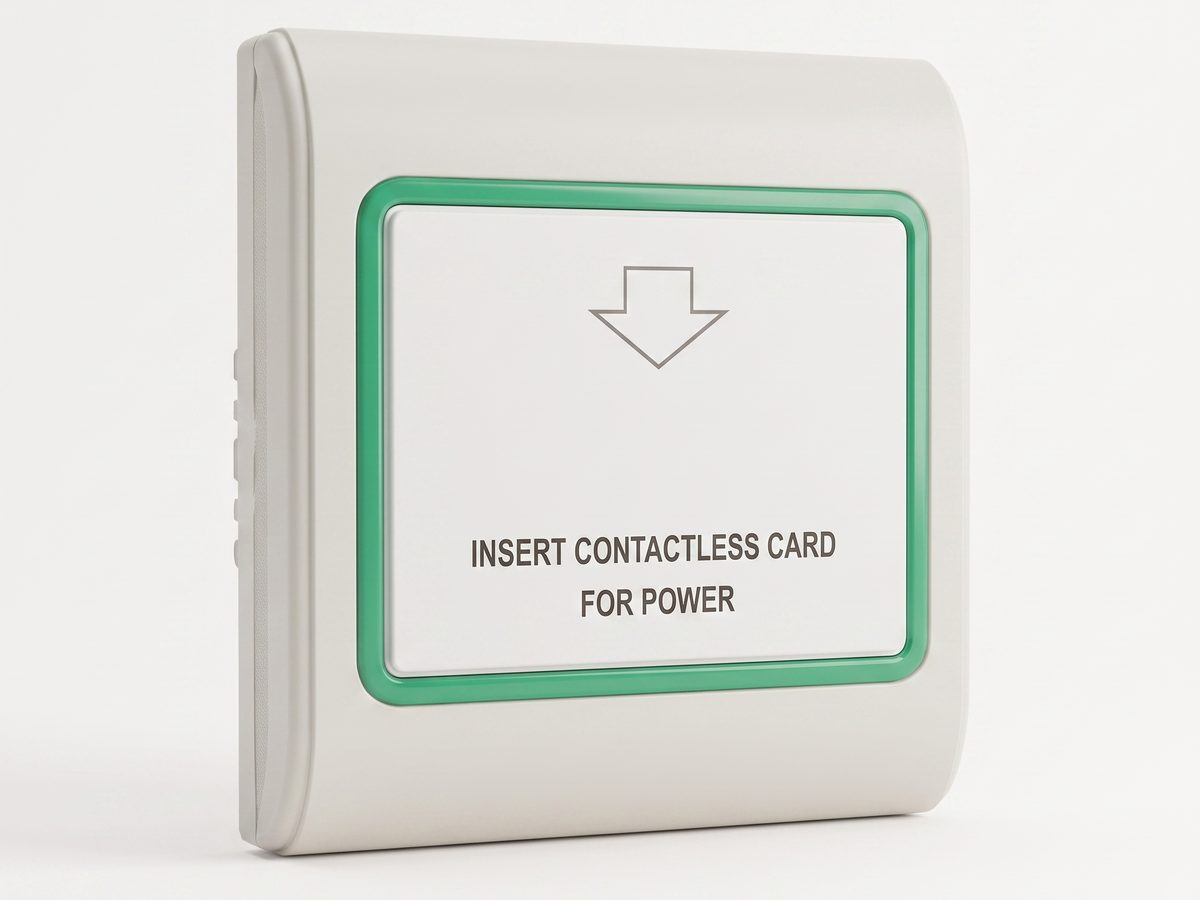
Interruptor de Cartão-Chave Sem Fio — Bateria ou Alimentação Barramento para Retrofit de Hotéis
Interruptor de cartão-chave sem fio para hotéis em projetos de retrofit. Opção de wake-up de baixa frequência ou RS485 sem fio, versão a bateria evita recabeamento, controle de energia do quarto sem novos cabos. CE RoHS. Fornecedor OEM/ODM.
Esta página já o indica como a próxima referência recomendada.
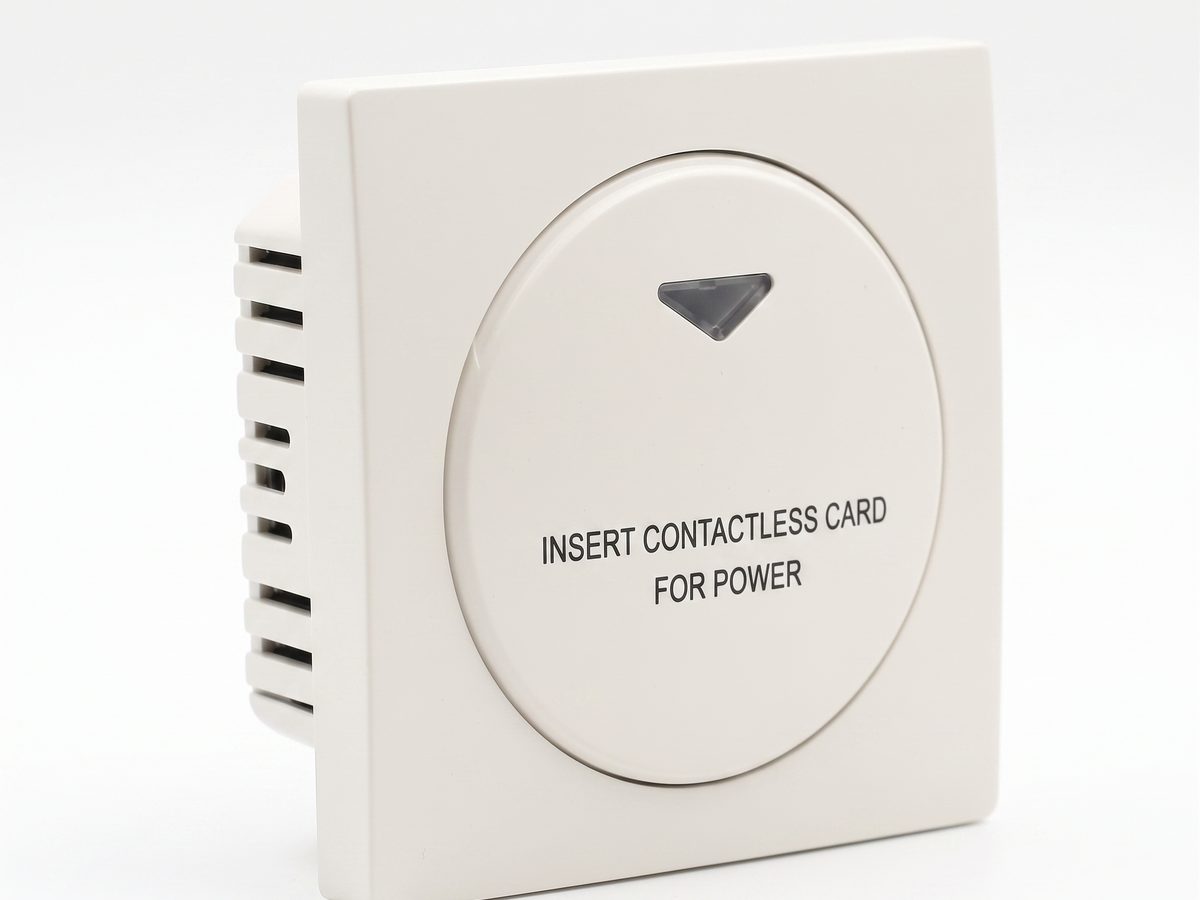
Interruptor de Cartão de Hotel — Controle de Energia do Quarto
Interruptor de cartão de hotel para controle de energia do quarto. Detecção RFID/IC, insira e ligue, desligamento temporizado ao remover. 220V CA, 10A-16A, RS485 ou contato seco. CE RoHS. Fornecedor OEM/ODM.
Esta página já o indica como a próxima referência recomendada.
Soluções relacionadas
3Sistema de Gestão de Quartos Baseado em Controle de Energia por Cartão
Um sistema prático de gestão de quartos de hóspedes para controle de energia através de interruptores de cartão, contatores e regras operacionais claramente documentadas.
Suporta o mesmo contexto de produto: Interruptor de Cartão de Hotel — Controle de Energia do Quarto.
Poupança de Energia em Hotéis com Comutação de Energia no Quarto
Solução de poupança de energia para hotéis que usa comutação de energia controlada por cartão para evitar que luzes, ar condicionado e tomadas selecionadas funcionem desnecessariamente.
Suporta o mesmo contexto de produto: Interruptor de Cartão de Hotel — Controle de Energia do Quarto.
Controlo de Energia em Quartos de Hotel com Interruptores de Cartão-Chave
Uma solução prática de controlo de energia para quartos de hotel para comutar iluminação, ar condicionado e tomadas a partir de um cartão de quarto autorizado.
Suporta o mesmo contexto de produto: Interruptor de Cartão de Hotel — Controle de Energia do Quarto.
Artigos do blog relacionados
3
Interruptor de Cartão de Hotel: Tipos, Modelos e Como Especificar
O interruptor de cartão de hotel abrange modelos universal, RFID, TTLOCK, BLE e de ocupação. Guia completo sobre a família key card/keycard cobrindo termos principais.
Suporta o mesmo contexto de produto: Interruptor de Cartão de Hotel — Controle de Energia do Quarto.
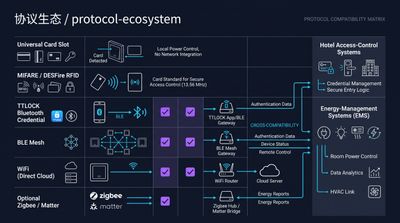
RFID vs NFC em Interruptores de Cartão-Chave: Qual Escolher
RFID vs NFC em interruptores de cartão-chave: RFID 125kHz/13,56MHz (MIFARE, Temic) é o padrão para energia no quarto; NFC é o protocolo do telemóvel. Compare alcance, fidelização e compatibilidade.
Suporta o mesmo contexto de produto: Interruptor de Cartão de Hotel — Controle de Energia do Quarto.
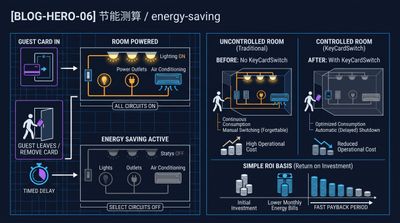
O Que É um Interruptor de Cartão-Chave de Hotel e Como Poupa
Um interruptor de cartão-chave de hotel alimenta o quarto quando o cartão é inserido e corta a energia quando removido, economizando tipicamente 25–40% da eletricidade do quarto.
Suporta o mesmo contexto de produto: Interruptor de Cartão de Hotel — Controle de Energia do Quarto.
Especifique o seu projeto hoteleiro com os nossos engenheiros
Envie a contagem de quartos, tipo de teto e preferência de protocolo. Retornaremos um plano de amostras e orçamento em 24 horas úteis.
- Passe da orientação geral para uma discussão de produto ou aplicação.
- Use RFQ quando preço, desenhos, MOQ ou calendário de lançamento precisam de estrutura.
- Mantenha um caminho de contacto direto visível para esclarecimentos rápidos e passagem de testemunho.