Saklar Kartu Kunci Hotel Nirkabel vs Kabel: Mana Pilihannya
Perbandingan saklar kartu kunci hotel nirkabel vs kabel: kerumitan kabel, retrofit, keandalan, daya, biaya, latensi, cakupan, dan cara memilih yang tepat.
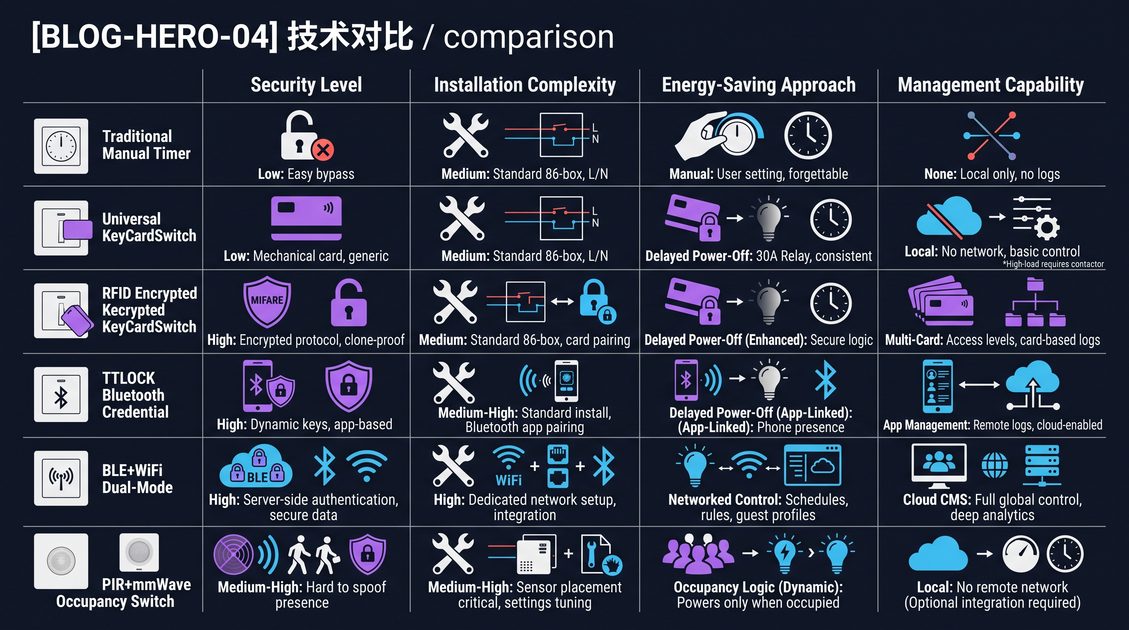
Perbandingan saklar kartu kunci hotel nirkabel vs kabel berfokus pada cara saklar mengirimkan dua sinyal utamanya, yakni status kartu terpasang dan perintah menyalakan daya, kembali ke beban di dalam kamar. Saklar kartu kunci hotel kabel membawa sinyal-sinyal ini melalui konduktor tembaga yang berjalan dari saklar ke kontaktor, modul relai, atau langsung ke jalur daya AC yang memberi makan pencahayaan kamar dan stopkontak, yang berarti setiap kamar tamu membutuhkan jalur kabelnya sendiri yang ditarik melalui plafon, di atas ambang pintu, atau di dalam saluran kabel (trunking). Saklar kartu kunci hotel nirkabel justru menyematkan transceiver radio, biasanya pada pita 433 MHz, 868 MHz, 915 MHz atau 2.4 GHz, yang aktif pada jadwal frekuensi rendah dan mengirim perubahan status ke node penerima di bagian lain kamar, sehingga menghilangkan kebutuhan akan kabel sinyal khusus kembali ke titik distribusi daya. Kedua pendekatan berbeda dalam hal kompleksitas pemasangan kabel, kelayakan retrofit, keandalan jangka panjang, cara pemberian daya, total biaya pemasangan, serta cakupan atau latensi yang dapat dijamin. Panduan ini membandingkan dimensi-dimensi tersebut dan menjelaskan cara memilih saklar yang tepat.
Arti Saklar Kartu Kunci Hotel Nirkabel vs Kabel bagi Pemasangan Kabel
Perbedaan utama dalam setiap keputusan saklar kartu kunci hotel nirkabel vs kabel adalah jumlah pemasangan kabel yang dibutuhkan masing-masing pendekatan di kamar tamu. Saklar kartu kunci kabel memerlukan jalur sinyal yang secara fisik menghubungkan bodi saklar dengan titik kendali daya kamar, sehingga teknisi harus menarik setidaknya satu kabel dari saklar, biasanya terpasang di samping pintu pada bagian dalam kamar, ke titik distribusi yang mengalihkan pencahayaan, stopkontak, dan pendingin ruangan. Pada hotel berkonstruksi beton, jalur kabel sering melintasi rongga plafon, turun di dalam rongga dinding di samping kusen pintu, atau melewati saluran kabel permukaan ketika struktur bangunan padat dan sulit dipahat. Setiap kamar mengulangi proses ini, sehingga properti dengan 200 kamar menggandakan panjang kabel, titik pemasangan, dan jam kerja sebanyak dua ratus kali. Sebaliknya, saklar kartu kunci nirkabel sama sekali tidak membutuhkan kabel sinyal: teknisi memasang saklar di dinding, menghubungkan pasokan lokal, dan membiarkan tautan radio membawa statusnya kembali ke penerima terdekat atau ke aktuator bertenaga baterai di titik distribusi. Hal ini memangkas pekerjaan pengabelan hingga sebagian kecil dari angka pemasangan kabel, itulah sebabnya proyek retrofit di hotel yang beroperasi, bangunan berstatus warisan, dan struktur ringan sangat sering memilih jalur nirkabel. Untuk konstruksi baru yang dinding dan plafonnya masih terbuka sebelum pemasangan finishing, biaya kabel tambahan pada opsi kabel rendah, dan jalur sinyal stabil yang ditawarkannya menjadi faktor penentu. Dimensi pemasangan kabel karenanya menentukan fase proyek yang paling sesuai untuk tiap jenis saklar: kabel untuk konstruksi dari nol, nirkabel untuk pekerjaan peningkatan kamar terisi yang membuka dinding tergolong mengganggu dan mahal.
Pemasangan Kabel dan Kompleksitas Perutean Kabel
Pemasangan saklar kartu kunci hotel kabel dibangun di atas loop konduktor menerus dari saklar ke perangkat kendali daya. Pengabelan tipikal mencakup konduktor fase yang dialihkan, konduktor netral untuk sirkuit saklar itu sendiri, dan keluaran kendali yang menggerakkan kontaktor atau koil relai. Karena saklar dipasang tinggi di samping pintu agar sejajar dengan ketinggian slot kartu, dan titik distribusi biasanya berada dekat pintu masuk kamar atau di rongga plafon di atas kamar mandi, kabel sering melewati setidaknya dua titik sambungan dinding dan plafon. Setiap sambungan menambah satu titik terminasi, satu lokasi potensi kegagalan, dan waktu pemasangan tambahan. Pada hotel yang beroperasi, teknisi harus melindungi permukaan yang sudah jadi, merencanakan jalur agar menghindari jalur kabel listrik dan kabel data yang ada, serta berkoordinasi dengan jadwal housekeeping agar tidak ada kamar yang tidak beroperasi lebih lama dari rencana. Kerja fisik menarik kabel melalui plafon yang sudah jadi, dengan titik tarik setiap beberapa meter, bisa mendominasi biaya peningkatan saklar secara keseluruhan. Untuk kamar dengan dinding partisi beton padat, saluran kabel permukaan mungkin menjadi satu-satunya jalur praktis, dan itu menambah perangkat keras terlihat yang harus diterima pemilik. Kompleksitas perutean meningkat tajam seiring jarak antara saklar dan titik distribusi serta jumlah lantai yang dilayani satu panel distribusi, sehingga solusi kabel membutuhkan koordinasi cermat antara kontraktor listrik dan tim interior fit-out.
Pemasangan Nirkabel Tanpa Kabel
Saklar kartu kunci nirkabel menghilangkan bagian terpanjang dan termahal dari rantai pemasangan, yaitu kabel sinyal kembali ke titik distribusi. Teknisi memasang saklar di dinding samping pintu, menghubungkan pasokan lokal, yang bisa berupa umpan tegangan rendah atau kompartemen baterai tergantung model, lalu mengonfigurasi tautan radio ke penerima. Penerima, yang biasanya dipasang dekat titik distribusi daya atau di dalam rongga plafon, menutup atau membuka relai yang mengendalikan sirkuit pencahayaan dan stopkontak. Karena tidak ada konduktor yang harus dirutekan melalui struktur bangunan, opsi nirkabel cocok untuk kamar yang dinding dan plafonnya tidak bisa dibuka, di mana regulasi warisan atau kebakaran membatasi pemahatan, atau di mana peningkatan kamar terisi harus berlangsung tanpa memindahkan tamu. Saklar berkomunikasi dengan jadwal bangun frekuensi rendah, tidur sebagian besar waktu dan bangun hanya untuk mengirim perubahan status, sehingga menjaga umur baterai dalam rentang beberapa tahun dan menjaga lalu lintas radio cukup rendah untuk menghindari interferensi antar kamar. Penghapusan jalur kabel juga mempersingkat waktu pemasangan rata-rata per kamar dari hitungan jam menjadi menit, hal yang penting bagi pemilik properti yang ingin mengonversi blok kamar besar dalam satu jendela pemeliharaan. Komprominya adalah tautan radio, posisi penerima, dan pasokan di dalam kamar harus direncanakan dengan cermat agar jalur nirkabel andal di setiap kamar dalam properti.
Saklar Kartu Kunci Hotel Nirkabel vs Kabel dalam Skenario Retrofit dan Renovasi
Pekerjaan retrofit, di mana hotel sudah beroperasi dan kamar digunakan setiap hari, adalah skenario di mana pilihan saklar kartu kunci hotel nirkabel vs kabel memiliki konsekuensi praktis paling kuat. Dalam retrofit, kamar tamu sudah selesai, plafon tertutup, dinding sudah didekorasi, dan properti tidak mampu menutup dalam waktu lama. Memasang saklar kartu kunci kabel di gedung yang terisi berarti mengganggu permukaan yang sudah jadi untuk menarik kabel baru, dan dalam banyak kasus berarti menonaktifkan setiap kamar selama sehari atau lebih. Biaya retrofit kabel karenanya mencakup bukan hanya material dan tenaga kerja tetapi juga pendapatan kamar yang hilang selama penutupan, dan biaya tidak langsung ini sering kali melampaui harga perangkat keras beberapa kali lipat. Saklar kartu kunci nirkabel membalikkan ekonomi tersebut: teknisi menyelesaikan setiap kamar dalam waktu yang jauh lebih singkat, kamar tamu sering kali tetap dapat dipesan pada hari yang sama, dan struktur bangunan tetap utuh. Karena saklar nirkabel hanya membutuhkan pasokan lokal dan langkah komisioning singkat, tim kecil dapat mengonversi puluhan kamar dalam satu periode pemeliharaan. Skenario retrofit juga mencakup properti yang struktur bangunannya sendiri menutup kemungkinan pengabelan, seperti hotel warisan dengan interior yang dilindungi, struktur partisi kayu atau ringan, dan gedung sewa yang pemiliknya tidak menyetujui jalur kabel struktural. Untuk lokasi-lokasi ini, saklar nirkabel bukan sekadar lebih murah, melainkan satu-satunya opsi yang layak. Ketika keputusan diambil untuk retrofit, tim properti harus mengaudit setiap kamar untuk cakupan penerima, ketersediaan daya di lokasi saklar, dan tata letak kamar yang dapat menghalangi jalur radio, karena faktor-faktor ini menentukan apakah penerapan nirkabel berhasil dalam skala besar.
Retrofit Hotel yang Beroperasi tanpa Menutup Kamar
Hotel yang beroperasi mengandalkan pendapatan berkelanjutan dari setiap kamar, sehingga metode retrofit yang menutup paling sedikit kamarlah yang menang. Dengan saklar kartu kunci kabel, jalur kabel hampir selalu memerlukan memindahkan barang-barang tamu, bekerja di atas plafon, dan membuat kamar tidak dapat disewa selama pekerjaan berlangsung. Bahkan pemasangan kabel yang cepat memakan waktu beberapa jam per kamar, dan kamar mungkin butuh semalam untuk stabil sebelum dijual kembali. Saklar kartu kunci nirkabel muat dalam jendela housekeeping normal: teknisi mengganti saklar yang ada atau memasang yang baru, menghubungkan pasokan, mengikat tautan radio ke penerima, dan memverifikasi bahwa pencahayaan serta stopkontak merespons. Kamar dapat kembali ke inventaris pada hari yang sama. Perbedaan ini berlipat di seluruh properti: retrofit 100 kamar secara nirkabel dapat diselesaikan dalam satu minggu dengan dua teknisi, sementara pekerjaan yang sama dengan jalur kabel bisa memakan waktu beberapa minggu dan mengganggu ketersediaan pemesanan sepanjang waktu. Properti juga harus mempertimbangkan kerusakan bangunan dan biaya redekorasi dari setiap dinding yang dipahat, karena setiap permukaan yang dipotong, ditambal, dan dicat ulang menambah tenaga finishing dan bekas perbaikan yang terlihat. Retrofit nirkabel menjaga finishing, melindungi pengalaman tamu, dan mempertahankan aliran pendapatan, itulah sebabnya peningkatan kamar terisi di hotel yang sedang berjalan sangat sering memilih jalur nirkabel.
Bangunan Warisan, Struktur Ringan, dan Terbatas
Jenis bangunan tertentu membuat pemasangan kabel tidak praktis atau mustahil, dan inilah kasus penggunaan nirkabel paling jelas dalam perbandingan ini. Hotel warisan dengan interior yang dilindungi sering melarang memahat dinding atau memasang saluran kabel terlihat, dan proses persetujuan untuk perubahan struktural apa pun bisa memakan waktu berbulan-bulan. Bangunan ringan dengan rangka kayu, partisi dinding kering (drywall), atau panel berlapis baja tidak menahan kabel yang dipahat dengan baik, dan memasang saluran kabel permukaan merusak estetika yang diharapkan tamu. Gedung sewa yang pemiliknya tidak mengizinkan jalur kabel permanen melintasi struktur menutup opsi kabel sepenuhnya. Untuk semua kasus ini, saklar kartu kunci nirkabel memberikan fungsi penghematan energi dan kontrol akses tanpa memodifikasi struktur bangunan, sehingga saklar nirkabel menjadi rekomendasi standar. Teknisi memasang penerima di rongga plafon atau di samping panel distribusi yang ada, memberinya daya dari sirkuit yang tersedia, dan membiarkan saklar nirkabel melaporkan status kartu ke seluruh kamar. Karena sinyal melewati drywall dan banyak material ringan dengan rugi rendah, jalur nirkabel justru andal tepat pada struktur yang paling sulit diabeli. Keputusan retrofit di bangunan-bangunan ini karenanya bukan perbandingan yang ketat sama sekali: opsi kabel gugur karena alasan struktural, dan opsi nirkabel menjadi pilihan default yang praktis.
Keandalan dan Stabilitas Sinyal Saklar Kartu Kunci Hotel Nirkabel vs Kabel
Keandalan jangka panjang adalah dimensi di mana kedua jenis saklar saling menukar keunggulan, dan dimensi ini membentuk setiap pemilihan saklar kartu kunci hotel nirkabel vs kabel untuk properti yang tidak toleran terhadap kamar nonaktif. Saklar kartu kunci kabel menawarkan stabilitas sinyal tertinggi yang mungkin karena status dibawa melalui konduktor menerus tanpa jalur radio yang dapat menurun, sehingga respons saklar ke beban bersifat seketika dan tidak terpengaruh dinding, interferensi, atau jarak di dalam kamar. Titik kegagalannya adalah terminasi fisik, kontak relai atau kontaktor, dan isolasi kabel, yang semuanya bersifat deterministik dan mudah didiagnosis oleh listrikan. Saklar kartu kunci nirkabel menghilangkan kabel-kabel itu tetapi memperkenalkan tautan radio yang harus tetap andal melintasi dinding, perabot logam, dan saluran bersebelahan, sehingga desainnya harus mengompensasi dengan margin tautan yang kuat, protokol bangun hemat daya, dan arsitektur penerima yang mengonfirmasi pengiriman serta mencoba ulang saat gagal. Dalam praktiknya, saklar nirkabel yang dirancang baik mencapai keandalan sangat tinggi selama umur baterai atau dayanya karena jarak di dalam satu kamar tamu pendek, transmisi diulang hingga terkonfirmasi, dan penerima dipasang di posisi dengan jalur bebas hambatan. Perbandingan karenanya bermuara pada sifat risikonya: tautan kabel jarang gagal tetapi kegagalannya bisa membutuhkan pelacakan yang banyak tenaga kerja, sedangkan tautan nirkabel pada dasarnya dapat terpengaruh tata letak kamar yang berubah atau perangkat yang mengganggu, namun gagal tanpa pekerjaan pengabelan apa pun karena teknisi cukup mengganti atau memindahkan satu node. Tim pemeliharaan harus mencocokkan jenis saklar yang dipilih dengan struktur bangunan, ukuran kamar, dan kondisi pengabelan, karena saklar yang andal di satu properti bisa menjadi beban di properti lain bila jalur radio atau rute kabelnya buruk.
Jalur Sinyal Kabel dan Perilaku Deterministik
Saklar kartu kunci kabel berperilaku deterministik karena setiap perubahan status melintas pada konduktor dengan resistansi tetap, dan respons di relai pada dasarnya bersamaan dengan penyisipan kartu. Teknisi dapat memverifikasi jalur dengan alat ukur kontinuitas, dan setiap gangguan ditemukan dengan memeriksa terminasi secara berurutan, prosedur standar bagi setiap listrikan. Determinisme ini bernilai di kamar di mana penyalakan yang tertunda akan merepotkan tamu, misalnya lampu koridor atau exhaust fan kamar mandi yang harus menyala begitu kartu dimasukkan. Pendekatan kabel juga kebal terhadap interferensi radio yang sesekali dapat memengaruhi node nirkabel dalam instalasi padat, dan tidak bergantung pada kondisi baterai atau penerima yang berada dalam jangkauan, karena penerima dan saklar adalah perangkat yang sama atau pasangan terkabel langsung. Komprominya adalah perilaku deterministik sepenuhnya bergantung pada integritas kabel dan terminasinya, dan di gedung tua pengabelan yang ada mungkin sudah lelah, terminasi bisa berkarat, atau rutenya bisa rusak oleh modifikasi sebelumnya. Untuk properti baru atau yang diabel ulang, jalur kabel adalah jaminan keandalan terkuat, itulah sebabnya opsi kabel tetap menjadi default untuk konstruksi baru dan untuk properti yang menuntut latensi saklar ke beban serendah mungkin.
Tautan Nirkabel Hemat Daya dan Pengiriman Terkonfirmasi
Saklar kartu kunci nirkabel mencapai keandalan melalui protokol radio yang dirancang untuk umur baterai dan daya. Saklar menghabiskan sebagian besar waktunya dalam kondisi tidur hemat daya dan bangun pada jadwal frekuensi rendah, biasanya setiap beberapa ratus milidetik, untuk mendengarkan perintah atau mengirim perubahan status ketika kartu dimasukkan atau dilepas. Karena jarak di dalam kamar tamu pendek, margin tautannya tinggi dan sinyal dikonfirmasi oleh penerima, sehingga frame yang terlewat dikirim ulang hingga terkonfirmasi, yang menghilangkan risiko peristiwa penyalakan yang hilang. Penerima, yang dipasang di titik distribusi, menerjemahkan pesan dan menggerakkan relai, dan dapat diberi daya dari pasokan yang ada sehingga baterainya sendiri tidak membatasi pemasangan. Protokol menjaga lalu lintas radio tetap rendah, yang mengurangi kemungkinan tabrakan antara kamar bersebelahan, dan pita operasi dipilih sesuai lingkungan regulasi setempat, dengan 433 MHz dan 868 MHz umum di sebagian besar wilayah dunia dan 915 MHz di sebagian Amerika, sehingga jalurnya memiliki penetrasi kuat melalui dinding interior standar. Desain pengiriman terkonfirmasi dan jarak pendek di dalam kamar secara bersama-sama memberi saklar nirkabel berspesifikasi baik profil keandalan yang memenuhi tuntutan properti komersial, dan setiap perubahan di masa depan, seperti partisi logam baru atau tata letak perabot berbeda, dapat ditangani dengan memindahkan satu node alih-alih mengabel ulang.
Pasokan Daya dan Perilaku Energi Saklar Kartu Kunci Hotel Nirkabel vs Kabel
Cara setiap jenis saklar diberi daya adalah kendala praktis yang ditimbang pembeli di awal setiap evaluasi saklar kartu kunci hotel nirkabel vs kabel. Saklar kartu kunci hotel kabel diberi daya dari listrik AC kamar, baik langsung dari sirkuit yang dialihkan maupun dari pasokan tegangan rendah yang diturunkan darinya, sehingga memiliki sumber energi yang praktis tak terbatas dan tidak membutuhkan pemeliharaan baterai. Saklar itu sendiri mengonsumsi sejumlah kecil daya yang menyumbang beban idle kamar, tetapi karena bagian dari sirkuit yang dikendalikan, ia hanya menarik daya saat kamar digunakan atau dalam kondisi siaga rendah. Saklar kartu kunci hotel nirkabel dapat diberi daya dengan dua cara: dari pasokan tegangan rendah lokal, biasanya adaptor AC kecil atau umpan teregulasi yang diambil dari sirkuit pencahayaan kamar, atau dari baterai internal ketika pemasangan tanpa kabel sepenuhnya diperlukan. Saklar nirkabel bertenaga baterai dirancang berjalan bertahun-tahun dengan jadwal bangun frekuensi rendah, dengan radio tidur di antara transmisi, tetapi baterai adalah sumber daya terbatas yang harus dilacak dan pada akhirnya diganti oleh tim pemeliharaan. Saklar nirkabel bertenaga menghilangkan kekhawatiran baterai tetapi tetap membutuhkan pasokan kecil di lokasi saklar, yang biasanya mudah disediakan karena pintu masuk kamar sudah memiliki pengabelan. Perilaku energi juga memengaruhi metode pengalihan: kedua jenis biasanya menggerakkan relai atau kontaktor yang mengendalikan beban kamar, dan manfaat penghematan energi berasal dari pemutusan daya ke pencahayaan, stopkontak, dan pendingin ruangan ketika kartu dilepas, terlepas dari jenis tautannya. Tidak satu pun pendekatan sebaiknya dispesifikasikan dengan janji persentase energi tetap, karena penghematan nyata bergantung pada pola hunian kamar dan beban yang terpasang.
Saklar Kabel dengan Pasokan Jaringan dan Perawatan Rendah
Saklar kartu kunci kabel mengambil daya operasinya dari listrik jaringan kamar, sehingga tidak pernah butuh penggantian baterai dan dapat tetap beroperasi selama umur fit-out. Karena saklar terhubung langsung ke sirkuit yang dikendalikan, teknisi tidak perlu merencanakan titik pasokan terpisah, dan konduktor yang sama yang membawa fase yang dialihkan dapat menyediakan suplai logika melalui tahap daya internal. Ini menghilangkan satu kelas tugas pemeliharaan sepenuhnya, karena tidak ada sel yang diganti dan tidak ada sirkuit pengisian yang diperiksa. Saklar kabel juga memberikan fungsi kecil yang berguna, yaitu statusnya selalu tersinkronisasi dengan jaringan, sehingga pemadaman listrik yang mereset saklar ditangani oleh mulai ulang normal alih-alih baterai yang habis. Harga dari kesederhanaan ini adalah saklar kabel harus terjangkau oleh konduktor pasokan, dan itulah kabel yang ingin dihindari proyek retrofit. Untuk konstruksi baru atau kamar yang diabel ulang, pasokan jaringan tersedia gratis, dan perawatan rendah opsi kabel menjadi keunggulan operasional nyata selama umur kamar.
Varian Nirkabel Baterai dan Bertenaga
Saklar kartu kunci nirkabel menawarkan teknisi pilihan antara operasi baterai dan pasokan tegangan rendah lokal, dan pilihan itu memengaruhi rencana pemeliharaan. Varian baterai paling menarik untuk lokasi retrofit tersulit karena tidak membutuhkan konduktor apa pun di saklar, dan jadwal bangun frekuensi rendah menjaga konsumsi cukup rendah untuk umur sel beberapa tahun. Tim pemeliharaan harus menyimpan stok sel yang tepat dan menjadwalkan penggantian berkala, tetapi karena saklar melaporkan statusnya dan penerima dapat menandai baterai lemah, penggantian dapat direncanakan alih-alih reaktif. Varian nirkabel bertenaga menghilangkan kekhawatiran baterai dengan memberi daya pada saklar dari pasokan teregulasi kecil yang diambil dari pencahayaan kamar yang ada, sehingga pemasangan tetap mendapatkan manfaat retrofit tanpa kabel sambil menghilangkan layanan baterai berkala. Pada kedua varian, saklar menggerakkan beban kamar melalui relai di penerima, sehingga pengalihan arus tinggi tetap berada di titik distribusi dan saklar nirkabel sendiri hanya menangani sinyal kendali berdaya rendah. Pembeli harus mengonfirmasi konsumsi siaga varian bertenaga dan umur baterai yang dinyatakan varian baterai, karena nilai-nilai inilah, bukan klaim pemasaran, yang menentukan biaya operasional dan interval layanan bagi properti.
Perbandingan Biaya Saklar Kartu Kunci Hotel Nirkabel vs Kabel
Total biaya sering menjadi faktor penentu, dan perbandingan biaya saklar kartu kunci hotel nirkabel vs kabel yang benar harus melampaui harga satuan menuju biaya terpasang di seluruh properti. Harga satuan saklar kartu kunci kabel biasanya lebih rendah daripada model nirkabel yang sebanding, karena saklar kabel tidak memiliki modul radio maupun node penerima. Tetapi biaya terpasang opsi kabel mencakup kabel, konduit atau saluran kabel, tenaga kerja terminasi, redekorasi permukaan yang dipahat, dan dalam retrofit pendapatan kamar yang hilang selama penutupan, dan item-item ini biasanya melampaui penghematan perangkat keras dengan margin lebar. Opsi nirkabel membawa biaya perangkat keras lebih tinggi per kamar, untuk saklar dan penerimanya, tetapi hampir menghilangkan kabel, saluran kabel, dan perbaikan permukaan, serta memangkas waktu tenaga kerja per kamar secara tajam, sehingga total biaya terpasang untuk retrofit nirkabel sering lebih rendah daripada padanan kabelnya. Untuk konstruksi baru, perhitungan berbalik karena kabel dipasang sebelum finishing dan biaya marjinal jalur tambahan kecil, sehingga harga perangkat keras saklar kabel yang lebih rendah bisa menjadikannya total termurah. Perbandingan juga mencakup biaya operasional selama umur saklar: opsi kabel tidak memiliki baterai, sementara saklar nirkabel baterai membutuhkan sel berkala, meskipun varian nirkabel bertenaga menghindari pos itu. Pembeli sebaiknya menyusun tabel berisi harga perangkat keras, kabel dan aksesori, tenaga kerja per kamar, perbaikan permukaan, dampak penutupan, dan layanan siklus hidup, lalu menerapkannya pada jumlah kamar dalam properti untuk mencapai keputusan yang adil.
Biaya Perangkat Keras, Kabel, dan Tenaga Kerja per Kamar
Biaya per kamar adalah angka yang dapat dibandingkan langsung oleh tim pengadaan. Untuk saklar kartu kunci kabel, perangkat kerasnya sederhana tetapi kabel dan aksesori bertambah terus, dengan beberapa meter konduktor, klip dinding atau saluran kabel, dan material terminasi per kamar, dan tenaga kerja menjadi pos dominan karena jalurnya harus direncanakan, ditarik, diterminasi, dan diuji. Dalam retrofit, perbaikan permukaan dan penutupan menambah biaya tidak langsung lebih lanjut. Untuk saklar kartu kunci nirkabel, perangkat keras mencakup saklar dan penerimanya, yang menaikkan angka satuannya, tetapi tenaga kerja hanya sebagian kecil dari nilai kabel karena tidak ada kabel yang ditarik, dan tidak ada penalti perbaikan permukaan maupun penutupan. Di seluruh blok seratus kamar, perbedaan total jam kerja adalah tuas utama pada faktur akhir, dan di banyak pasar perbedaan itulah yang menentukan opsi mana yang lebih murah. Aturan praktisnya adalah opsi nirkabel memenangkan perbandingan biaya dalam retrofit dan peluncuran multi-lantai, sementara opsi kabel menang dalam konstruksi baru dan renovasi kamar tunggal kecil dengan rute kabel pendek.
Biaya Siklus Hidup dan Pemeliharaan
Melampaui pemasangan pertama, gambaran biaya mencakup pemeliharaan yang menjaga saklar tetap berfungsi selama umur kamar. Saklar kartu kunci kabel tidak memiliki baterai maupun radio untuk dilayani, sehingga biaya siklus hidupnya terpusat pada gangguan deterministik pada terminasi dan kontak relai, yang dapat didiagnosis cepat oleh listrikan. Saklar nirkabel baterai menambah pos berulang untuk sel dan tenaga kerja penggantian, tersebar selama umur baterai beberapa tahun, dan properti harus menyimpan cadangan serta melacak jadwal penggantian. Saklar nirkabel bertenaga menghilangkan biaya baterai tetapi mempertahankan node penerima sebagai titik layanan yang harus tetap sehat. Tim pemeliharaan sebaiknya menimbang biaya rutin rendah opsi kabel dibandingkan keunggulan tanpa pengabelan opsi nirkabel, dan perlu dicatat bahwa varian nirkabel bertenaga menawarkan sebagian besar manfaat pemasangan nirkabel dengan biaya siklus hidup mendekati angka kabel. Bagi properti yang merencanakan umur operasional sepuluh tahun, pos siklus hidup bisa sama pentingnya dengan pos pemasangan pertama, sehingga keduanya harus dimodelkan bersama.
Latensi, Cakupan, dan Ruang Lingkup Kendali Saklar Kartu Kunci Hotel Nirkabel vs Kabel
Perilaku kendali kedua jenis saklar berbeda dalam latensi saklar ke beban, cakupan yang dapat diberikan, dan ruang lingkup apa yang dikendalikan, hal-hal yang semuanya penting bagi pengalaman kamar. Saklar kartu kunci hotel kabel merespons kartu hampir seketika karena sinyal melintas pada konduktor, sehingga pencahayaan dan pendingin ruangan menyala begitu kartu dimasukkan, dan kamar memutus daya begitu kartu dilepas. Latensi rendah ini nyaman bagi tamu dan mendukung perilaku cepat seperti lampu koridor yang harus menyala segera. Saklar kartu kunci hotel nirkabel memperkenalkan jeda transmisi kecil dalam orde interval bangun, biasanya sepersekian detik, karena saklar harus bangun, mengirim, dan menerima konfirmasi sebelum relai beroperasi, dan desain yang disetel baik menjaga jeda ini cukup kecil agar tamu tidak menyadarinya. Cakupan sistem kabel efektif tak terbatas di dalam properti karena setiap kamar memiliki konduktor sendiri dan tidak ada saluran radio bersama yang dapat jenuh. Cakupan sistem nirkabel bergantung pada penempatan penerima dan rencana radio, tetapi karena setiap kamar memiliki penerima sendiri, beban salurannya rendah dan cakupannya andal. Ruang lingkup kendali juga berbeda dalam fleksibilitas: saklar kabel mengendalikan beban melalui keluaran tetapnya, sementara saklar nirkabel dapat mengarahkan statusnya ke penerima yang mengendalikan beban kamar dan, pada beberapa model, satu set keluaran yang dapat dikonfigurasi, yang memberi tim teknik lebih banyak kebebasan tata letak ketika beban kamar tersebar.
Respons Saklar ke Beban dan Pengalaman Tamu
Waktu respons membentuk pengalaman tamu di pintu. Dengan saklar kabel, beban menyala pada saat kartu dimasukkan, perilaku yang diharapkan tamu ketika memasuki kamar gelap dan mencari saklar lampu. Dengan saklar nirkabel, peristiwa yang sama terjadi setelah siklus bangun-dan-kirim singkat, dan pada desain yang baik ini hanya sepersekian detik, sehingga pengalaman praktisnya nyaris identik. Tim teknik harus mengonfirmasi waktu respons yang dinyatakan model nirkabel dan tidak boleh menerima desain dengan interval polling panjang, karena jeda lebih dari satu detik membuat kamar terasa tidak responsif. Respons saklar ke beban juga memengaruhi perilaku pemadaman, di mana beban kamar harus dipotong segera saat kartu dilepas untuk memberikan penghematan energi tanpa meninggalkan lampu menyala. Kedua jenis saklar dapat dikonfigurasi dengan jeda singkat saat pelepasan agar kompresor pendingin ruangan tidak menyala ulang terlalu cepat, tetapi pemutusan daya dasar harus segera. Pembeli sebaiknya memperlakukan waktu respons sebagai spesifikasi yang diverifikasi, bukan asumsi, dan lebih menyukai model nirkabel yang menyatakan interval bangun dan waktu respons relainya dalam datasheet.
Cakupan, Jangkauan, dan Perencanaan Saluran
Perencanaan cakupan dan jangkauan berbeda antara kedua jenis. Saklar kabel tidak memiliki jangkauan radio untuk direncanakan, karena setiap kamar mandiri pada konduktornya sendiri, sehingga properti berukuran berapa pun dapat diabeli tanpa khawatir kejenuhan saluran atau interferensi antar lantai. Saklar nirkabel membutuhkan rencana radio: penerima harus ditempatkan dalam jangkauan saklar, pita harus sesuai regulasi setempat dan material bangunan, dan protokol frekuensi rendah harus menjaga saluran tetap bersih agar banyak kamar dapat berbagi frekuensi yang sama tanpa bertabrakan. Karena setiap kamar biasanya memiliki penerima sendiri, cakupan praktisnya per kamar, dan teknisi harus memastikan penerima memiliki jalur bebas melalui ambang pintu dan rongga plafon. Desain bangun frekuensi rendah menjaga transmisi tiap kamar pendek dan jarang, yang memungkinkan satu lantai padat bekerja pada saluran bersama. Tim teknik harus menguji jalur radio di kamar-kamar representatif, termasuk kamar sudut dan kamar dengan partisi logam, sebelum mengomitmenkan seluruh properti, karena validasi cakupan adalah tugas perencanaan utama yang unik pada opsi nirkabel.
Saklar Kartu Kunci Hotel Nirkabel vs Kabel: Cara Memilih Opsi yang Tepat
Menggabungkan seluruh dimensi, pilihan antara saklar kartu kunci hotel nirkabel dan kabel ditentukan oleh fase proyek, struktur bangunan, dan kendala operasional, dan untuk properti besar penerapan hibrida sering menjadi jawaban terbaik. Pilih saklar kartu kunci kabel untuk konstruksi baru, proyek pengabelan ulang, dan kamar di mana latensi terendah serta keandalan deterministik tertinggi berperan penting, karena biaya kabel rendah saat bangunan masih terbuka dan jalur kabel adalah jaminan terkuat. Pilih saklar kartu kunci nirkabel untuk retrofit hotel yang beroperasi, bangunan warisan atau ringan, kamar yang tidak dapat ditutup, dan proyek apa pun yang struktur bangunannya harus tetap utuh, karena pemasangan tanpa kabel lebih cepat, lebih murah, dan kurang mengganggu. Untuk properti besar yang memadukan berbagai jenis bangunan, terapkan solusi hibrida: pasang saklar kabel di sayap yang sedang diabel ulang atau baru dibangun, dan saklar nirkabel di sayap yang terisi serta area struktur terbatas, sehingga setiap kamar menggunakan opsi yang paling ekonomis dan andal yang tersedia. Dalam setiap kasus, verifikasi spesifikasi yang menjadi dasar keputusan, yaitu waktu respons, umur baterai atau kebutuhan pasokan, pita regulasi, dan cakupan penerima, serta validasi pilihan di satu kamar uji coba sebelum diperluas ke seluruh blok. Tabel keputusan disediakan di bawah untuk meringkas logika pemilihan bagi pembeli dan tim teknik.
| Faktor keputusan | Saklar kartu kunci kabel | Saklar kartu kunci nirkabel |
|---|---|---|
| Pemasangan kabel | Jalur kabel penuh ke titik distribusi | Tanpa kabel sinyal, hanya pasokan lokal |
| Retrofit hotel yang beroperasi | Mengganggu, menutup kamar | Cepat, kamar kembali di hari yang sama |
| Konstruksi baru | Biaya kabel marjinal rendah, direkomendasikan | Opsional, perangkat keras biasanya lebih mahal |
| Keandalan sinyal | Deterministik, tanpa jalur radio | Tinggi, tautan hemat daya terkonfirmasi |
| Latensi saklar ke beban | Hampir seketika | Jeda singkat bangun-dan-kirim |
| Pasokan daya | Listrik jaringan kamar, tanpa baterai | Baterai atau pasokan tegangan rendah lokal |
| Total biaya terpasang | Perangkat keras lebih murah, pemasangan lebih mahal saat retrofit | Perangkat keras lebih mahal, pemasangan lebih murah saat retrofit |
| Pemeliharaan | Tanpa perawatan baterai | Perawatan baterai atau varian bertenaga |
| Cakupan | Konduktor per kamar tanpa batas | Penerima per kamar, perlu rencana radio |
| Skenario terbaik | Konstruksi baru, pengabelan ulang, tuntutan latensi rendah | Retrofit, bangunan warisan, struktur terbatas |
Mengambil Keputusan dengan Spesifikasi dan Kamar Uji Coba
Seleksi yang disiplin dimulai dengan spesifikasi tertulis yang menetapkan waktu respons, pasokan daya, pita regulasi, rating relai, dan metode kendali beban kamar, lalu membandingkan model nirkabel dan kabel terpilih terhadapnya. Spesifikasi menghilangkan risiko memilih hanya berdasarkan harga dan memberi pembeli dasar konkret untuk uji coba. Kamar uji coba memvalidasi asumsi dalam kondisi nyata: teknisi menyelesaikan satu kamar dengan masing-masing saklar kandidat, mengukur waktu saklar ke beban, memeriksa cakupan penerima dari posisi pemasangan aktual, dan mengonfirmasi housekeeping serta pengalaman tamu. Hasil uji coba menjadi masukan bagi model biaya dan keandalan sebelum properti mengomitmenkan peluncuran penuh. Untuk sebagian besar proyek retrofit, uji coba akan mengonfirmasi bahwa saklar nirkabel memenuhi standar respons dan keandalan sambil memberikan penghematan pemasangan, dan untuk konstruksi baru, uji coba akan mengonfirmasi bahwa saklar kabel menawarkan biaya terendah dengan determinisme terkuat. Dengan menguji sebelum memperluas, pembeli menghindari mengomitmenkan properti besar pada jenis saklar yang terlihat bagus di atas kertas tetapi tidak bertahan di kamar sungguhan.
Saklar Kartu Kunci Hotel Nirkabel vs Kabel: Menyesuaikan Saklar dengan Proyek
Keputusan saklar kartu kunci hotel nirkabel vs kabel bukan tentang teknologi mana yang secara objektif lebih baik, melainkan tentang mana yang cocok dengan proyek spesifik. Saklar kabel memberikan determinisme terkuat, latensi terendah, dan umur panjang dengan pemeliharaan rendah, dan unggul dalam konstruksi baru serta pengabelan ulang di mana biaya kabel kecil. Saklar nirkabel memberikan retrofit tanpa kabel yang menjaga struktur bangunan, menjaga kamar operasional tetap terbuka, dan menjangkau lokasi di mana pengabelan mustahil, dan unggul dalam peningkatan kamar terisi, bangunan warisan, dan hotel yang sedang terisi. Properti yang memahami campuran jenis bangunannya sendiri bahkan dapat menerapkan keduanya, menggunakan kabel di sayap baru dan nirkabel di sayap retrofit, serta mengambil yang terbaik dari masing-masing. Jalur mana pun yang dipilih, pembeli sebaiknya memverifikasi waktu respons, pasokan daya, umur baterai, pita regulasi, dan cakupan penerima di satu kamar uji coba sebelum peluncuran penuh, dan memperlakukan biaya terpasang di seluruh properti, bukan harga satuan, sebagai ukuran nilai yang sebenarnya. Dengan tabel keputusan yang jelas, spesifikasi tertulis, dan uji coba yang tervalidasi, tim teknik dapat memilih saklar kartu kunci yang andal hari ini dan ekonomis selama umur kamar.
Sebagian konten artikel ini dihasilkan oleh AI dan dioptimalkan untuk akurasi profesional serta keterbacaan. A wireless vs wired hotel key card switch comparison centers on how the switch sends its two main signals, the card-inserted state and the power-on command, back to the in-room loads. A wired hotel key card switch carries these signals over copper conductors that run from the switch to a contactor, a relay module, or directly to the AC power line that feeds the room lighting and outlets, which means every guest room needs its own cable run pulled through the ceiling, above the door header, or inside a trunking channel. A wireless hotel key card switch instead embeds a radio transceiver, typically in the 433 MHz, 868 MHz, 915 MHz or 2.4 GHz band, that wakes on a low-frequency schedule and sends the state change to a receiver node elsewhere in the room, removing the need for a dedicated signal cable back to the power distribution point. The two approaches differ on installation wiring complexity, retrofit feasibility, long-term reliability, how they are powered, the total installed cost, and the coverage or latency they can guarantee. This guide compares these dimensions and explains how to choose the right switch.
What Wireless vs Wired Hotel Key Card Switch Means for Installation Wiring
The central difference in any wireless vs wired hotel key card switch decision is the amount of installation wiring each approach demands in a guest room. A wired key card switch requires a signal path that physically connects the switch body to the room power control point, so the installer must route at least one cable from the switch, usually mounted beside the door on the inside of the room, to the distribution point that switches the lighting, the sockets, and the air conditioner. In a concrete-built hotel the run often travels through the ceiling void, drops down inside the wall cavity beside the door frame, or passes along a surface-mounted trunking channel when the building fabric is solid and cannot be chased easily. Every room repeats this process, so a 200-room property multiplies the cable length, the fixing points, and the labour hours by two hundred. A wireless key card switch, by contrast, needs no signal cable at all: the installer mounts the switch on the wall, connects a local supply, and lets the radio link carry the state back to a nearby receiver or to a battery-powered actuator at the distribution point. This collapses the wiring work to a fraction of the wired figure, which is why retrofit projects in operating hotels, listed buildings, and lightweight structures so often prefer the wireless route. For a new build where the walls and ceilings are open before the finishes go in, the extra cable cost of the wired option is low, and the stable signal path it provides becomes the deciding factor. The installation wiring dimension therefore decides the project phase for which each switch type is best suited: wired for ground-up construction, wireless for occupancy upgrade work where opening walls is disruptive and expensive.
Wired Installation and Cable Routing Complexity
A wired hotel key card switch installation is built around a continuous conductor loop from the switch to the power control device. The typical wiring includes a phase conductor that is switched, a neutral conductor for the switch circuit itself, and the control output that drives a contactor or a relay coil. Because the switch is mounted high beside the door to match the card slot height, and the distribution point is usually near the room entrance or in a ceiling void above the bathroom, the cable often passes through at least two wall and ceiling junctions. Each junction introduces a termination point, a potential failure location, and additional installation time. In an operating hotel, the installer must protect the finished surfaces, plan the route to avoid existing electrical runs and data cables, and coordinate with the housekeeping schedule so that no room stays out of service longer than planned. The physical labour of fishing cable through a finished ceiling, with pull points every few metres, can dominate the cost of the entire switch upgrade. For rooms with solid concrete partition walls, surface trunking may be the only practical route, and that adds visible hardware that the owner must accept. The routing complexity rises sharply with the distance between the switch and the distribution point and with the number of floors served by a single switchboard, so a wired solution needs careful coordination between the electrical contractor and the interior fit-out team.
Wireless Installation and No-Cable Mounting
A wireless key card switch removes the longest and most expensive part of the installation chain, the signal cable back to the distribution point. The installer mounts the switch on the wall beside the door, connects the local supply, which can be a low-voltage feed or a battery compartment depending on the model, and configures the radio link to the receiver. The receiver, which is typically mounted near the power distribution point or inside the ceiling void, closes or opens a relay that controls the lighting and socket circuits. Because there is no conductor to route through the fabric of the building, the wireless option suits rooms where the walls and ceilings cannot be opened, where heritage or fire regulations restrict chasing, or where the occupancy upgrade must happen without decanting the guest. The switch communicates over a low-frequency wake-up schedule, sleeping most of the time and waking only to transmit a state change, which keeps battery life in the multi-year range and keeps radio traffic low enough to avoid interference between rooms. The elimination of cable runs also shortens the average installation time per room from hours to minutes, which matters to a property owner who wants to convert a large room block over a single maintenance window. The trade-off is that the radio link, the receiver position, and the in-room supply must be planned carefully so that the wireless path is reliable across every room in the property.
Wireless vs Wired Hotel Key Card Switch in Retrofit and Renovation Scenarios
Retrofit work, where the hotel already operates and the rooms are in daily use, is the scenario where the wireless vs wired hotel key card switch choice has the strongest practical consequences. In a retrofit, the guest rooms are finished, the ceilings are closed, the walls are decorated, and the property cannot afford long closures. Installing a wired key card switch in an occupied building means disturbing those finished surfaces to run new cable, and in many cases it means taking each room out of service for a day or more. The cost of a wired retrofit therefore includes not only the materials and labour but also the lost room revenue during the closure, and this indirect cost often exceeds the hardware price several times over. A wireless key card switch flips the economics: the installer completes each room in a fraction of the time, the guest room can often stay bookable the same day, and the building fabric stays intact. Because the wireless switch needs only a local supply and a short commissioning step, a small crew can convert dozens of rooms in a single maintenance period. The retrofit scenario also covers properties where the building fabric itself rules out wiring, such as heritage hotels with protected interiors, timber or lightweight partition structures, and rented buildings where the owner will not approve structural cable runs. For these sites the wireless switch is not merely cheaper, it is the only feasible option. When the decision is made for a retrofit, the property team should audit every room for the receiver coverage, the power availability at the switch location, and the room layout that could block the radio path, because these determine whether the wireless deployment succeeds at scale.
Retrofitting an Operating Hotel without Closing Rooms
An operating hotel expects continuous revenue from every room, so the retrofit method that closes the fewest rooms wins. With a wired key card switch, the cable run almost always requires moving the guest's belongings, working above the ceiling, and leaving the room unrentable while the work is done. Even a fast wired install takes several hours per room, and the room may need a night to settle before it is resold. A wireless key card switch fits within a normal housekeeping window: the technician replaces the existing switch or mounts a new one, connects the supply, binds the radio link to the receiver, and verifies that the lighting and sockets respond. The room can return to inventory on the same day. This difference compounds across a property: a 100-room retrofit done wirelessly can be delivered in a single week with two technicians, where the same work done with cable runs could take several weeks and disrupt booking availability throughout. The property must also weigh the building damage and redecoration cost of every chased wall, since each cut, filled and repainted surface adds finishing labour and a visible repair. Wireless retrofit preserves the finishes, protects the guest experience, and keeps the revenue stream intact, which is why occupancy upgrades in running hotels so often choose the wireless path.
Heritage, Lightweight and Restricted-Structure Buildings
Certain building types make wired installation impractical or impossible, and these are the clearest wireless use cases in the comparison. Heritage hotels with protected interiors frequently prohibit chasing walls or running visible trunking, and the approval process for any structural change can take months. Lightweight buildings using timber frames, drywall partitions or steel-clad panels do not hold a chased cable well, and running surface trunking damages the aesthetic that guests expect. Buildings under lease where the landlord will not permit permanent cable runs across the structure rule out the wired option outright. For all of these, a wireless key card switch delivers the energy-saving and access-control function without modifying the building fabric, so the switch becomes the standard recommendation. The installer mounts the receiver in the ceiling void or beside the existing distribution board, powers it from the existing circuit, and lets the wireless switch report the card state across the room. Because the signal passes through drywall and many lightweight materials with low loss, the wireless path is dependable in exactly the structures where cable runs are hardest. The retrofit decision in these buildings is therefore not a close comparison at all: the wired option is disqualified on structural grounds, and the wireless option becomes the practical default.
Reliability and Signal Stability of Wireless vs Wired Hotel Key Card Switch
Long-term reliability is the dimension where the two switch types trade strengths, and it shapes every wireless vs wired hotel key card switch selection for properties that cannot tolerate room outages. A wired key card switch offers the highest possible signal stability because the state is carried over a continuous conductor with no radio path to degrade, so the switch-to-load response is immediate and unaffected by walls, interference or distance within the room. Its failure points are the physical terminations, the relay or contactor contacts, and the cable insulation, all of which are deterministic and easy for an electrician to diagnose. A wireless key card switch removes those cables but introduces a radio link that must stay reliable across walls, metal furniture and adjacent channels, so its design must compensate with strong link margin, a low-power wake-up protocol, and a receiver architecture that confirms delivery and retries on failure. In practice a well-designed wireless switch achieves very high reliability over its battery or powered life because the distance inside a single guest room is short, the transmission is repeated until acknowledged, and the receiver is mounted in a position with a clear path. The comparison therefore comes down to the nature of the risk: a wired link fails rarely but its failures can be labour-intensive to trace, while a wireless link can in principle be affected by a changed room layout or an interfering device, but it fails without any cabling work because the installer simply replaces or repositions a node. The maintenance team should match the chosen switch type to the building structure, the room size, and the wiring condition, because a switch that is reliable in one property can be a liability in another if the radio path or the cable route is poor.
Wired Signal Path and Deterministic Behaviour
A wired key card switch behaves deterministically because every state change travels over a conductor with a fixed resistance, and the response at the relay is essentially simultaneous with the card insertion. The installer can verify the path with a continuity meter, and any fault is found by checking the terminations in order, which is a standard procedure for any electrician. This determinism is valuable in rooms where a delayed power-on would inconvenience the guest, such as a corridor light or a bathroom extractor that must energise the moment the card goes in. The wired approach is also immune to the radio interference that can occasionally affect a wireless node in a dense installation, and it does not depend on battery state or on the receiver being within range, because the receiver and the switch are the same device or a hard-wired pair. The trade-off is that the deterministic behaviour depends entirely on the integrity of the cable and its terminations, and in an old building the existing wiring may be tired, the terminations may corrode, or the route may have been damaged by a previous modification. For a new or rewired property the wired path is the strongest guarantee of reliability, which is why the wired option remains the default for new construction and for properties that demand the lowest possible switch-to-load latency.
Wireless Low-Power Link and Acknowledged Delivery
A wireless key card switch achieves reliability through a radio protocol designed for battery and powered life. The switch spends most of its time in a low-power sleep state and wakes on a low-frequency schedule, typically every few hundred milliseconds, to listen for a command or to transmit a state change when the card is inserted or removed. Because the distance inside a guest room is short, the link margin is high and the signal is acknowledged by the receiver, so a missed frame is retransmitted until it is confirmed, which removes the risk of a lost power-on event. The receiver, mounted at the distribution point, decodes the message and drives the relay, and it can be powered from the existing supply so that its own battery does not limit the installation. The protocol keeps radio traffic low, which reduces the chance of collision between neighbouring rooms, and the operating band is chosen for the local regulatory environment, with 433 MHz and 868 MHz common in much of the world and 915 MHz in parts of the Americas, so the path has strong penetration through standard interior walls. The acknowledged-delivery design and the short in-room distance together give a well-specified wireless switch a reliability profile that meets the demands of a commercial property, and any future change, such as a new metal partition or a different furniture layout, can be handled by repositioning a node rather than by rewiring.
Power Supply and Energy Behaviour of Wireless vs Wired Hotel Key Card Switch
The way each switch type is powered is a practical constraint that buyers weigh early in any wireless vs wired hotel key card switch evaluation. A wired hotel key card switch is powered from the room AC mains, either directly from the switched circuit or from a low-voltage supply derived from it, so it has an effectively unlimited energy source and needs no battery maintenance. The switch itself consumes a small amount of power that contributes to the room idle load, but because it is part of the controlled circuit it draws only when the room is in use or in a low standby state. A wireless hotel key card switch can be powered in two ways: from a local low-voltage supply, usually a small AC adapter or a regulated feed tapped from the room lighting circuit, or from internal batteries when a completely cordless installation is required. Battery-powered wireless switches are designed to run for years on a low-frequency wake-up schedule, with the radio sleeping between transmissions, but the battery is a finite resource that the maintenance team must track and eventually replace. Powered wireless switches remove the battery concern but still require a small supply at the switch location, which is usually simple to provide because a room entrance has existing wiring. The energy behaviour also affects the switching method: both types typically drive a relay or a contactor that controls the room loads, and the energy-saving benefit comes from cutting power to lighting, sockets and the air conditioner when the card is removed, regardless of the link type. Neither approach should be specified with a promise of a fixed energy percentage, because the real saving depends on the room occupancy pattern and the loads installed.
Wired Mains Supply and Low Maintenance
The wired key card switch draws its operating power from the room mains, so it never needs a battery replacement and it can be left in service for the life of the fit-out. Because the switch is hard-wired into the controlled circuit, the installer does not need to plan a separate supply point, and the same conductor that carries the switched phase can provide the logic supply through an internal power stage. This removes a whole class of maintenance tasks, since there is no cell to swap and no charging circuit to inspect. The wired switch also delivers a small but useful function in that its state is always synchronised with the mains, so a power cut that resets the switch is handled by a normal restart rather than by a depleted battery. The cost of this simplicity is that the wired switch must be reached by a supply conductor, which is exactly the cable that a retrofit project is trying to avoid. For a new build or a rewired room the mains supply is free, and the low maintenance of the wired option becomes a genuine operating advantage over the life of the room.
Wireless Battery and Powered Variants
A wireless key card switch offers the installer a choice between battery operation and a local low-voltage supply, and that choice affects the maintenance plan. The battery variant is the most attractive for the hardest retrofit sites because it needs no conductor at all at the switch, and the low-frequency wake-up schedule keeps consumption low enough for a multi-year cell life. The maintenance team must keep a stock of the correct cells and schedule periodic replacement, but because the switch reports its state and the receiver can flag a weak battery, the replacement can be planned rather than reactive. The powered wireless variant removes the battery concern by feeding the switch from a small regulated supply tapped from the existing room lighting, so the installation keeps the no-cable retrofit benefit while eliminating the periodic battery service. In both variants the switch drives the room loads through a relay at the receiver, so the high-current switching stays at the distribution point and the wireless switch itself handles only the low-power control signal. Buyers should confirm the standby consumption of the powered variant and the declared battery life of the battery variant, because these values, not the marketing claims, determine the operating cost and the service interval for the property.
Cost Comparison of Wireless vs Wired Hotel Key Card Switch
Total cost is often the deciding factor, and a proper wireless vs wired hotel key card switch cost comparison must look beyond the unit price to the installed cost across the whole property. The unit price of a wired key card switch is usually lower than that of a comparable wireless model, because the wired switch has no radio module and no receiver node. But the installed cost of the wired option includes the cable, the conduits or trunking, the termination labour, the redecoration of any chased surfaces, and in a retrofit the lost room revenue during closure, and these items typically exceed the hardware saving by a wide margin. The wireless option carries a higher hardware cost per room, for the switch and the receiver, but it almost eliminates the cable, the trunking, and the surface repairs, and it cuts the per-room labour time sharply, so the total installed cost for a wireless retrofit is often lower than the wired equivalent. For a new build, the calculation reverses because the cables are installed before the finishes and the marginal cost of an extra run is small, so the lower hardware price of the wired switch can make it the cheaper total. The comparison also includes the running cost over the life of the switch: the wired option has no battery, while a battery wireless switch needs periodic cells, though the powered wireless variant avoids that line item. A buyer should build a table with the hardware price, the cable and accessories, the labour per room, the surface repair, the closure impact, and the lifecycle service, and apply it to the number of rooms in the property to reach a fair decision.
Hardware, Cable and Labour Cost per Room
The cost per room is the figure a procurement team can compare directly. For a wired key card switch, the hardware is modest but the cable and accessories add up, with several metres of conductor, wall clips or trunking, and termination materials per room, and the labour is the dominant item because the run must be planned, pulled, terminated and tested. In a retrofit the surface repair and the closure add further indirect cost. For a wireless key card switch, the hardware includes the switch and its receiver, which raises the unit figure, but the labour is a small fraction of the wired value because there is no cable to pull, and there is no surface repair or closure penalty. Across a block of one hundred rooms, the difference in total labour hours is the main lever on the final invoice, and in many markets it decides which option is cheaper. A practical rule is that the wireless option wins the cost comparison in retrofit and multi-floor rollouts, while the wired option wins in new construction and in small, single-room renovations where the cable route is short.
Lifecycle and Maintenance Cost
Beyond the first installation, the cost picture includes the maintenance that keeps the switch working for the life of the room. A wired key card switch has no battery and no radio to service, so its lifecycle cost is concentrated in the deterministic faults of terminations and relay contacts, which an electrician can diagnose quickly. A battery wireless switch adds a recurring line item for the cells and the replacement labour, spread over the multi-year battery life, and the property must hold spares and track the replacement schedule. A powered wireless switch removes the battery cost but keeps the receiver node as a service point that must stay healthy. The maintenance team should weigh the low routine cost of the wired option against the no-cabling advantage of the wireless option, and should note that the powered wireless variant offers most of the wireless installation benefit with a lifecycle cost close to the wired figure. For a property planning a ten-year operating life, the lifecycle line can be as important as the first-installation line, so both should be modelled together.
Latency, Coverage and Control Scope of Wireless vs Wired Hotel Key Card Switch
The control behaviour of the two switch types differs in the switch-to-load latency, the coverage they can provide, and the scope of what they control, all of which matter to the room experience. A wired hotel key card switch responds to the card almost instantly because the signal travels over a conductor, so the lighting and the air conditioner energise the moment the card is inserted, and the room cuts power the moment the card is removed. This low latency is comfortable for guests and supports quick behaviour like a corridor light that must come on immediately. A wireless hotel key card switch introduces a small transmission delay on the order of the wake-up interval, typically a fraction of a second, because the switch must wake, transmit and receive an acknowledgment before the relay operates, and a well-tuned design keeps this delay small enough that the guest does not notice it. The coverage of a wired system is effectively unlimited within the property because every room has its own conductor and there is no shared radio channel to saturate. The coverage of a wireless system depends on the receiver placement and the radio plan, but because each room has its own receiver the channel load is low and the coverage is dependable. The control scope also differs in flexibility: a wired switch controls the loads through its fixed output, while a wireless switch can route its state to a receiver that controls the room loads and, on some models, a set of configurable outputs, which gives the engineering team more layout freedom when the room loads are distributed.
Switch-to-Load Response and Guest Experience
The response time shapes the guest experience at the door. With a wired switch the load energises at the moment of card insertion, which is the behaviour a guest expects when entering a dark room and looking for the light switch. With a wireless switch the same event happens after the short wake-and-transmit cycle, and on a good design this is a fraction of a second, so the practical experience is nearly identical. The engineering team should confirm the declared response time of the wireless model and should not accept a design with a long polling interval, because a delay of more than a second makes the room feel unresponsive. The switch-to-load response also affects the power-off behaviour, where the room loads must cut promptly on card removal to deliver the energy saving without leaving lights burning. Both switch types can be configured for a short delay on removal so that the air conditioner compressor does not restart too quickly, but the base power-cut should be immediate. Buyers should treat the response time as a specification to verify, not an assumption, and should prefer a wireless model that states its wake-up interval and its relay response time in the datasheet.
Coverage, Range and Channel Planning
The coverage and range planning differ between the two types. A wired switch has no radio range to plan, because each room is self-contained on its own conductor, so a property of any size can be wired without worrying about channel saturation or interference between floors. A wireless switch needs a radio plan: the receiver must be placed within range of the switch, the band must suit the local regulations and the building materials, and the low-frequency protocol must keep the channel clear so that many rooms can share the same frequency without colliding. Because each room typically has its own receiver, the practical coverage is per-room, and the installer must ensure the receiver has a clear path through the door header and the ceiling void. The low-frequency wake-up design keeps each room's transmission short and rare, which lets a dense floor work on a shared channel. The engineering team should test the radio path in representative rooms, including the corner rooms and the rooms with metal partitions, before committing the whole property, because the coverage validation is the main planning task unique to the wireless option.
Wireless vs Wired Hotel Key Card Switch: How to Choose the Right Option
Bringing the dimensions together, the choice between a wireless and a wired hotel key card switch is decided by the project phase, the building structure, and the operating constraints, and for large properties a hybrid deployment is often the best answer. Choose a wired key card switch for new construction, for rewiring projects, and for rooms where the lowest latency and the highest deterministic reliability matter, because the cable cost is low when the building is open and the wired path is the strongest guarantee. Choose a wireless key card switch for retrofit of an operating hotel, for heritage or lightweight buildings, for rooms that cannot be closed, and for any project where the fabric of the building must stay intact, because the no-cable installation is faster, cheaper and less disruptive. For a large property that mixes building types, deploy a hybrid solution: run wired switches in the wings that are being rewired or newly built, and wireless switches in the occupied wings and the restricted-structure areas, so that each room uses the most economical and reliable option available. In every case, verify the specifications that the decision depends on, the response time, the battery life or supply requirement, the regulatory band, and the receiver coverage, and validate the choice in a pilot room before scaling to the full block. A decision table is provided below to summarise the selection logic for the buyer and the engineering team.
| Decision factor | Wired key card switch | Wireless key card switch |
|---|---|---|
| Installation wiring | Full cable run to distribution point | No signal cable, local supply only |
| Retrofit of operating hotel | Disruptive, closes rooms | Fast, room returns same day |
| New construction | Low marginal cable cost, recommended | Optional, usually costlier hardware |
| Signal reliability | Deterministic, no radio path | High, acknowledged low-power link |
| Switch-to-load latency | Near instant | Short wake-and-transmit delay |
| Power supply | Room mains, no battery | Battery or local low-voltage supply |
| Total installed cost | Lower hardware, higher install in retrofit | Higher hardware, lower install in retrofit |
| Maintenance | No battery service | Battery service or powered variant |
| Coverage | Unlimited per-room conductors | Per-room receiver, radio plan needed |
| Best scenario | New build, rewiring, low-latency demand | Retrofit, heritage, restricted structure |
Making the Decision with a Specification and a Pilot Room
A disciplined selection starts with a written specification that fixes the response time, the power supply, the regulatory band, the relay rating, and the room-load control method, and then compares the shortlisted wireless and wired models against it. The specification removes the risk of choosing on price alone and gives the buyer a concrete basis for the pilot. The pilot room validates the assumptions in real conditions: the installer completes one room with each candidate switch, measures the switch-to-load time, checks the receiver coverage from the actual mounting positions, and confirms the housekeeping and guest experience. The results of the pilot feed back into the cost and reliability model before the property commits to the full rollout. For most retrofit projects the pilot will confirm that a wireless switch meets the response and reliability bar while delivering the installation saving, and for new construction the pilot will confirm that the wired switch offers the lowest cost with the strongest determinism. By testing before scaling, the buyer avoids committing a large property to a switch type that looked good on paper but does not hold up in the real rooms.
Wireless vs Wired Hotel Key Card Switch: Matching the Switch to the Project
The wireless vs wired hotel key card switch decision is not about which technology is objectively better, but about which matches the specific project. Wired switches deliver the strongest determinism, the lowest latency and a long, low-maintenance life, and they shine in new construction and rewiring where the cable cost is small. Wireless switches deliver a no-cable retrofit that preserves the building fabric, keeps operating rooms open, and reaches the sites where wiring is impossible, and they shine in occupancy upgrades, heritage buildings and occupied hotels. A property that understands its own mix of building types can even deploy both, using wired in the new wings and wireless in the retrofit wings, and capture the best of each. Whichever path is chosen, the buyer should verify the response time, the power supply, the battery life, the regulatory band and the receiver coverage in a pilot room before the full rollout, and should treat the installed cost across the whole property, not the unit price, as the true measure of value. With a clear decision table, a written specification and a validated pilot, the engineering team can select a key card switch that is reliable today and economical over the life of the room.
Part of this article content is generated by AI and optimized for professional accuracy and readability.
Belum yakin sensor mana yang cocok untuk proyek Anda?
Bicaralah dengan insinyur aplikasi mmWave kami untuk konsultasi gratis.
Temukan sensor kehadiran yang tepat untuk proyek hotel Anda
Bandingkan 3 protokol, periksa studi kasus khusus hotel, dan unduh panduan instalasi
Produk terkait
2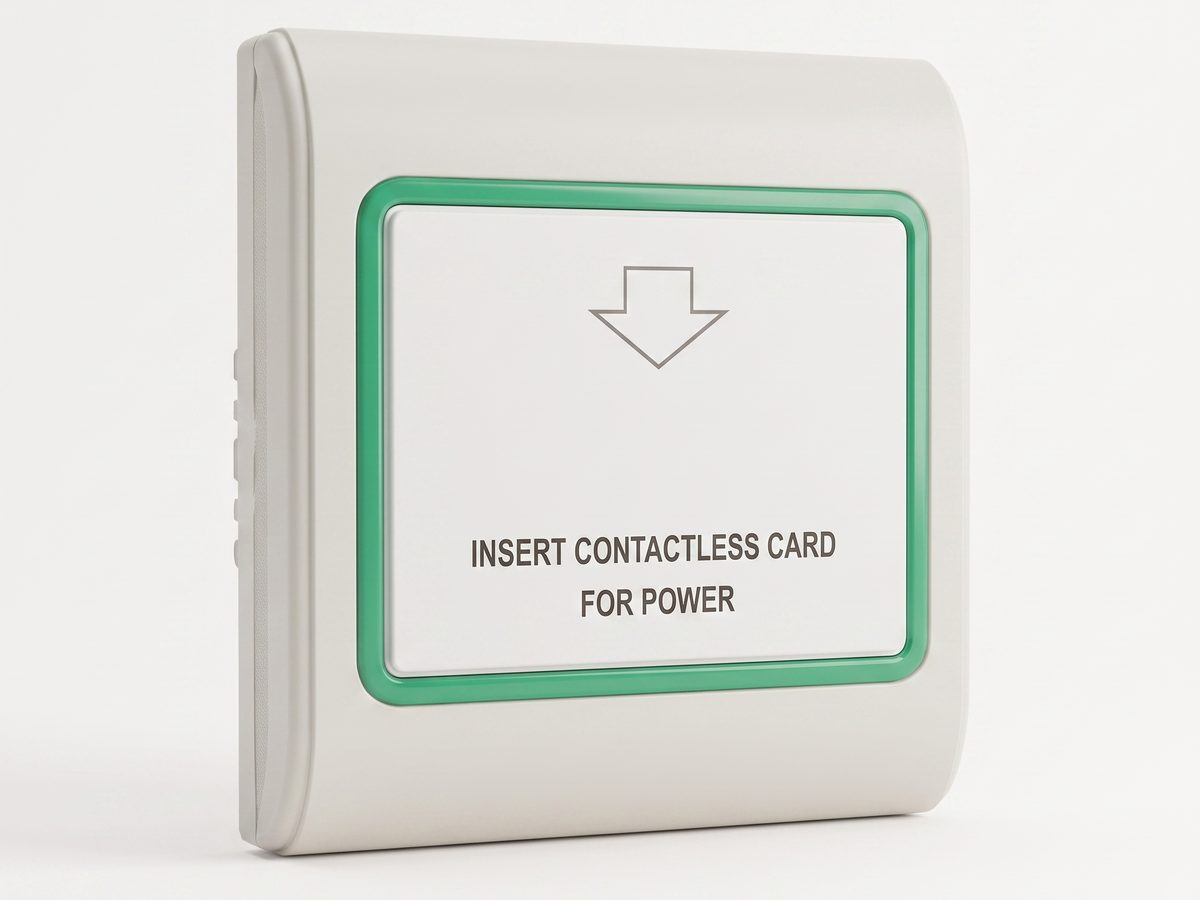
Saklar Kartu Kunci Nirkabel — Baterai atau Bus untuk Retrofit Hotel
Saklar kartu kunci hotel nirkabel untuk proyek retrofit. Opsi wake-up frekuensi rendah atau RS485 nirkabel, opsi tenaga baterai untuk menghindari penarikan kabel ulang, kontrol daya kamar tanpa jalur kabel baru. CE RoHS. Pemasok OEM/ODM.
Halaman ini sudah menunjuk ke halaman tersebut sebagai referensi yang direkomendasikan berikutnya.
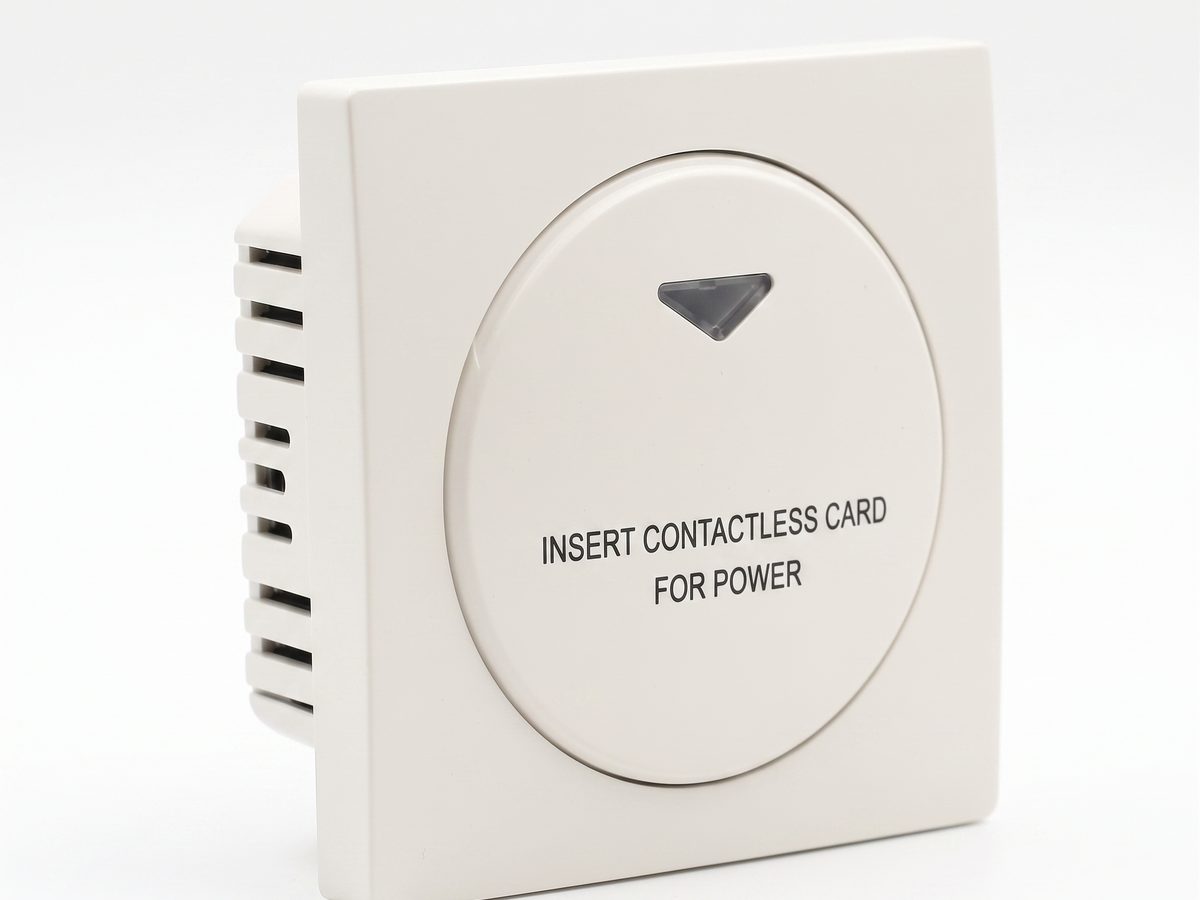
Hotel Key Card Switch — Kontrol Daya Kamar Tamu
Hotel key card switch untuk kontrol daya kamar tamu. Deteksi kartu RFID/IC, masukkan kartu untuk menyalakan daya, penundaan pemadaman saat kartu dilepas. 220V AC, 10A-16A, RS485 atau dry contact. CE RoHS. Pemasok OEM/ODM.
Halaman ini sudah menunjuk ke halaman tersebut sebagai referensi yang direkomendasikan berikutnya.
Solusi terkait
3Sistem Manajemen Kamar Hotel Berbasis Kartu Listrik
Sistem manajemen kamar hotel praktis untuk mengatur daya listrik kamar melalui saklar kartu kunci, kontaktor, dan aturan operasional yang terdokumentasi.
Halaman tersebut mendukung konteks produk yang sama: Hotel Key Card Switch — Kontrol Daya Kamar Tamu.
Penghematan Energi Hotel dengan Saklar Daya Kamar Tamu
Solusi penghematan energi hotel yang menggunakan daya kamar terkendali kartu untuk mencegah lampu, AC, dan stopkontak terpilih menyala tanpa perlu.
Halaman tersebut mendukung konteks produk yang sama: Hotel Key Card Switch — Kontrol Daya Kamar Tamu.
Kontrol Daya Kamar Hotel dengan Saklar Kartu
Solusi kontrol daya kamar hotel yang praktis untuk mengalihkan pencahayaan, pendingin udara, dan stopkontak kamar tamu dengan kartu kamar resmi.
Halaman tersebut mendukung konteks produk yang sama: Hotel Key Card Switch — Kontrol Daya Kamar Tamu.
Artikel blog terkait
3
Hotel Key Card Switch: Jenis, Model, dan Cara Memilih
Panduan hotel key card switch mencakup model universal, RFID, TTLOCK, BLE, dan occupancy, serta cara memilih model yang sesuai dengan sistem kartu hotel Anda.
Halaman tersebut mendukung konteks produk yang sama: Hotel Key Card Switch — Kontrol Daya Kamar Tamu.
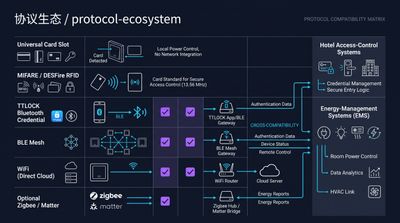
RFID vs NFC untuk Saklar Kartu Kunci Hotel: Pilih Mana?
RFID vs NFC pada saklar kartu kunci hotel berujung pada jangkauan dan penguncian: RFID 125kHz / 13.56MHz (MIFARE, Temic) adalah standar daya kamar hotel…
Halaman tersebut mendukung konteks produk yang sama: Hotel Key Card Switch — Kontrol Daya Kamar Tamu.
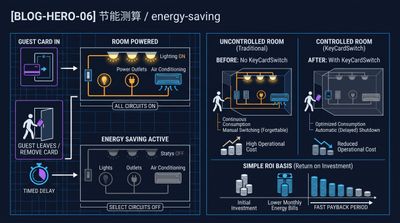
Apa Itu Hotel Key Card Switch dan Cara Hemat Energi Kamar
Hotel key card switch adalah perangkat dinding yang menyalakan listrik kamar saat kartu dimasukkan dan memutusnya saat kartu ditarik, hemat 25–40%…
Halaman tersebut mendukung konteks produk yang sama: Hotel Key Card Switch — Kontrol Daya Kamar Tamu.
Rinci proyek hotel Anda bersama insinyur kami
Kirimkan jumlah kamar, jenis plafon, dan preferensi protokol Anda. Kami akan mengirimkan rencana sampel dan penawaran dalam 24 jam kerja.
- Beralih dari panduan umum ke diskusi produk atau aplikasi.
- Gunakan RFQ saat harga, gambar teknis, MOQ, atau jadwal peluncuran membutuhkan struktur.
- Jaga jalur kontak langsung tetap terlihat untuk klarifikasi cepat dan serah terima.