Hotel Key Card Switch: Jenis, Model, dan Cara Memilih
Panduan hotel key card switch mencakup model universal, RFID, TTLOCK, BLE, dan occupancy, serta cara memilih model yang sesuai dengan sistem kartu hotel Anda.
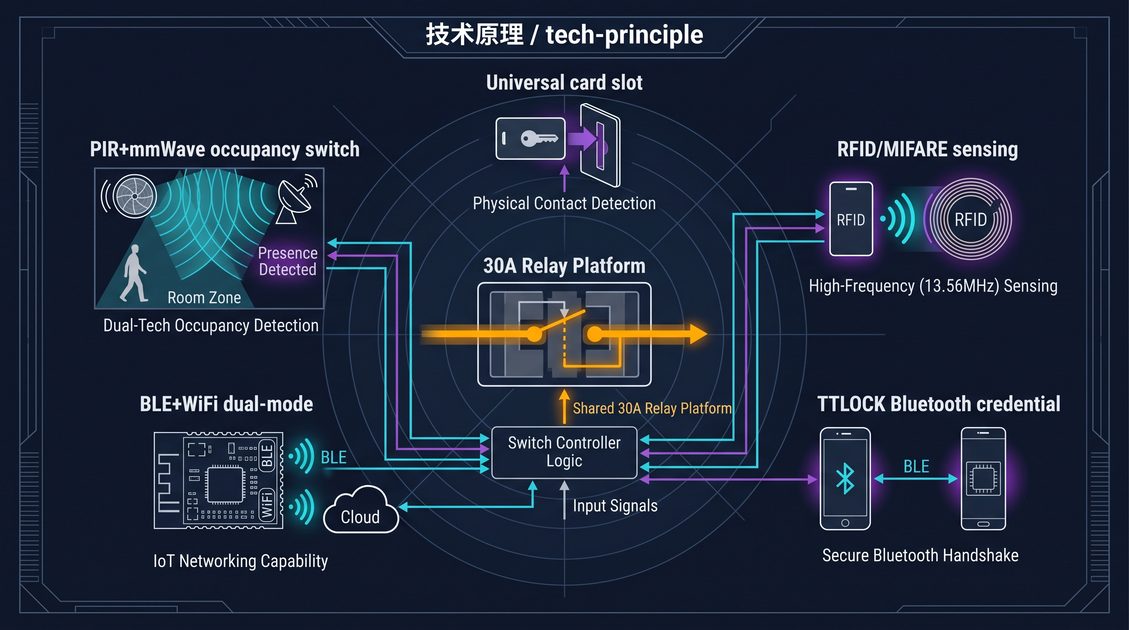
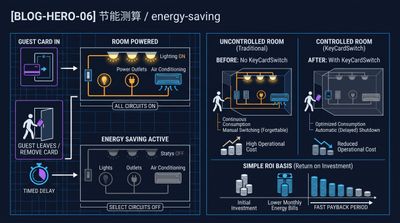
Hotel key card switch adalah perangkat dinding yang mengalirkan daya ke kamar tamu saat kartu yang valid dimasukkan dan memutus sirkuit setelah kartu dilepas, dan merupakan istilah utama di balik pencarian terkait keycard switch, key card switch, dan key cards switch — semuanya merujuk pada keluarga produk yang sama. Hotel key card switch menghemat 25–40% listrik kamar tamu dengan membebani beban AC dan pencahayaan begitu kartu keluar dari slot, dan tersedia dalam lima model kontrol yang hanya berbeda pada seberapa ketat daya diikat ke kartu: universal (kartu M1 apa pun), RFID (MIFARE/Temic terikat kamar), TTLOCK (kamar plus jendela waktu), BLE (aplikasi ponsel plus kartu), dan occupancy (tanpa kartu, berbasis kehadiran). Memilih hotel key card switch berarti memilih aturan kepercayaan mana yang sesuai dengan kartu yang sudah diterbitkan properti Anda, karena relay, tegangan, dan panel identik di seluruh keluarga produk.
Model Hotel Key Card Switch Sekilas
Kelima model hotel key card switch berbagi relay 30A, input AC 180–250V (110V atas permintaan), penundaan mati 15 detik, dan panel flush 86×86×48mm; perbedaannya hanya pada pembaca dan aturan kepercayaan. Model universal membaca UID kartu M1 apa pun dan tidak pernah memaksa properti menerbitkan ulang kartu. Penghemat energi RFID memvalidasi kunci sektor MIFARE atau Temic sehingga hanya kartu milik kamar itu sendiri yang berfungsi. Model kompatibel TTLOCK menambahkan jendela waktu check-in yang dibaca dari sistem TTLOCK. Model pintar BLE membuka kunci melalui ponsel menggunakan Bluetooth LE dan mencatat penggunaan ke cloud, dengan kartu MIFARE sebagai cadangan offline. Sakelar sensor occupancy menghilangkan kartu sepenuhnya dan menyuplai daya berdasarkan kehadiran. Oleh karena itu, retrofit hotel key card switch adalah prosedur mekanis tunggal yang diulang di setiap kamar, dengan model dipilih per tipe kamar.
Keycard Switch vs Key Card Switch vs Key Cards Switch
Istilah keycard switch, key card switch, dan key cards switch adalah varian ejaan dan bentuk jamak dari perangkat yang sama, bukan produk berbeda, sehingga pembeli yang membandingkannya sebenarnya membandingkan model kontrol. Keycard switch yang membaca kartu apa pun adalah model universal; key card switch yang terikat ke kamar adalah model RFID; key cards switch di lingkungan TTLOCK adalah model kompatibel TTLOCK. Mesin pencari memperlakukan istilah-istilah utama ini sebagai satu intensi, itulah sebabnya satu halaman hotel key card switch yang terstruktur dengan baik harus merujuk ketiga ejaan tersebut dalam salinan alami alih-alih membuat tiga halaman hampir duplikat yang saling bersaing. Tabel model di bawah ini adalah pusat yang menyelesaikan intensi di balik pencarian keycard, key card, dan key cards sekaligus.
| Model | Dasar kartu | Pengikatan kamar | Jaringan |
|---|---|---|---|
| Universal | M1 apa pun (UID) | Tidak ada | Tidak ada |
| RFID | MIFARE / Temic | Kamar | Tidak ada |
| TTLOCK kompatibel | TTLOCK MIFARE | Kamar + waktu | Tidak ada |
| BLE pintar | Ponsel + kartu | Dikelola aplikasi | BLE + WiFi |
| Occupancy | Kehadiran (PIR / mmWave) | n/a | Opsional |
Cara Menentukan Spesifikasi Hotel Key Card Switch
Tentukan spesifikasi hotel key card switch berdasarkan sistem kartu yang sudah Anda jalankan, karena model yang tepat membaca kartu tersebut tanpa penerbitan ulang. Tidak ada sistem tetap atau kartu campuran → model universal, retrofit tercepat. MIFARE atau Temic per kamar → penghemat energi RFID untuk pengikatan kamar. Kunci TTLOCK sudah terpasang → sakelar kompatibel TTLOCK berbagi kartu pintu. Program kamar terhubung → model pintar BLE dengan pencatatan cloud. Tanpa kartu atau ruang pertemuan → sakelar sensor occupancy. Konfirmasi tegangan setempat (180–250V standar, 110V atas permintaan) dan finishing panel, lalu tetapkan model kamar demi kamar. Untuk tabel keputusan lengkap dan rencana SKU, lihat panduan pembelian hotel energy saving switch; untuk rangkuman tingkat sistem, lihat hotel energy management system.
A hotel key card switch is the wall device that powers a guest room when a valid card is inserted and cuts the circuit after it is removed, and it is the head term behind the related searches keycard switch, key card switch, and key cards switch — all of which describe the same product family. A hotel key card switch saves 25–40% of guest-room electricity by removing the AC and lighting load the moment a card leaves the slot, and it comes in five control models that differ only in how strictly they bind power to a card: universal (any M1 card), RFID (room-bound MIFARE/Temic), TTLOCK (room plus time window), BLE (phone app plus card), and occupancy (no card, presence-based). Choosing a hotel key card switch means choosing which of these trust rules fits the cards your property already issues, because the relay, voltage, and panel are identical across the family.
Hotel Key Card Switch Models at a Glance
The five models of a hotel key card switch share a 30A relay, AC 180–250V input (110V on request), a 15-second delay-off, and a flush 86×86×48mm panel; they differ only in the reader and the trust rule. The universal model reads any M1 card UID and never re-cards the property. The RFID energy saver validates a MIFARE or Temic sector key so only the room's own card works. The TTLOCK compatible model adds a check-in time window read from the TTLOCK system. The BLE smart model unlocks by phone over Bluetooth LE and logs usage to the cloud, with a MIFARE card as offline fallback. The occupancy sensor switch drops the card entirely and powers by presence. A hotel key card switch retrofit is therefore a single mechanical procedure repeated per room, with the model chosen per room type.
Keycard Switch vs Key Card Switch vs Key Cards Switch
The terms keycard switch, key card switch, and key cards switch are spelling and plural variants of the same device, not different products, so a buyer comparing them is really comparing control models. A keycard switch that reads any card is the universal model; a key card switch that binds to a room is the RFID model; a key cards switch in a TTLOCK estate is the TTLOCK compatible model. Search engines treat these head terms as one intent, which is why a single well-structured hotel key card switch page should reference all three spellings in natural copy rather than spawning three near-duplicate pages that compete with each other. The model table below is the hub that resolves the intent behind keycard, key card, and key cards searches alike.
| Model | Card basis | Room binding | Network |
|---|---|---|---|
| Universal | Any M1 (UID) | None | None |
| RFID | MIFARE / Temic | Room | None |
| TTLOCK compatible | TTLOCK MIFARE | Room + time | None |
| BLE smart | Phone + card | App-managed | BLE + WiFi |
| Occupancy | Presence (PIR / mmWave) | n/a | Optional |
How to Specify a Hotel Key Card Switch
Specify a hotel key card switch by the card system you already run, because the right model reads that card with no re-issuance. No fixed system or mixed cards → universal model, fastest retrofit. Per-room MIFARE or Temic → RFID energy saver for room binding. Installed TTLOCK locks → TTLOCK compatible switch sharing the door card. Connected-rooms program → BLE smart model with cloud logging. Card-free or meeting spaces → occupancy sensor switch. Confirm local voltage (180–250V standard, 110V on request) and panel finish, then assign models room-by-room. For the full decision table and SKU plan, see the hotel energy saving switch buying guide; for the system-level rollup, see the hotel energy management system.
blog.inArticleCta.title
blog.inArticleCta.description
contentGraph.title
contentGraph.description
contentGraph.sections.products
3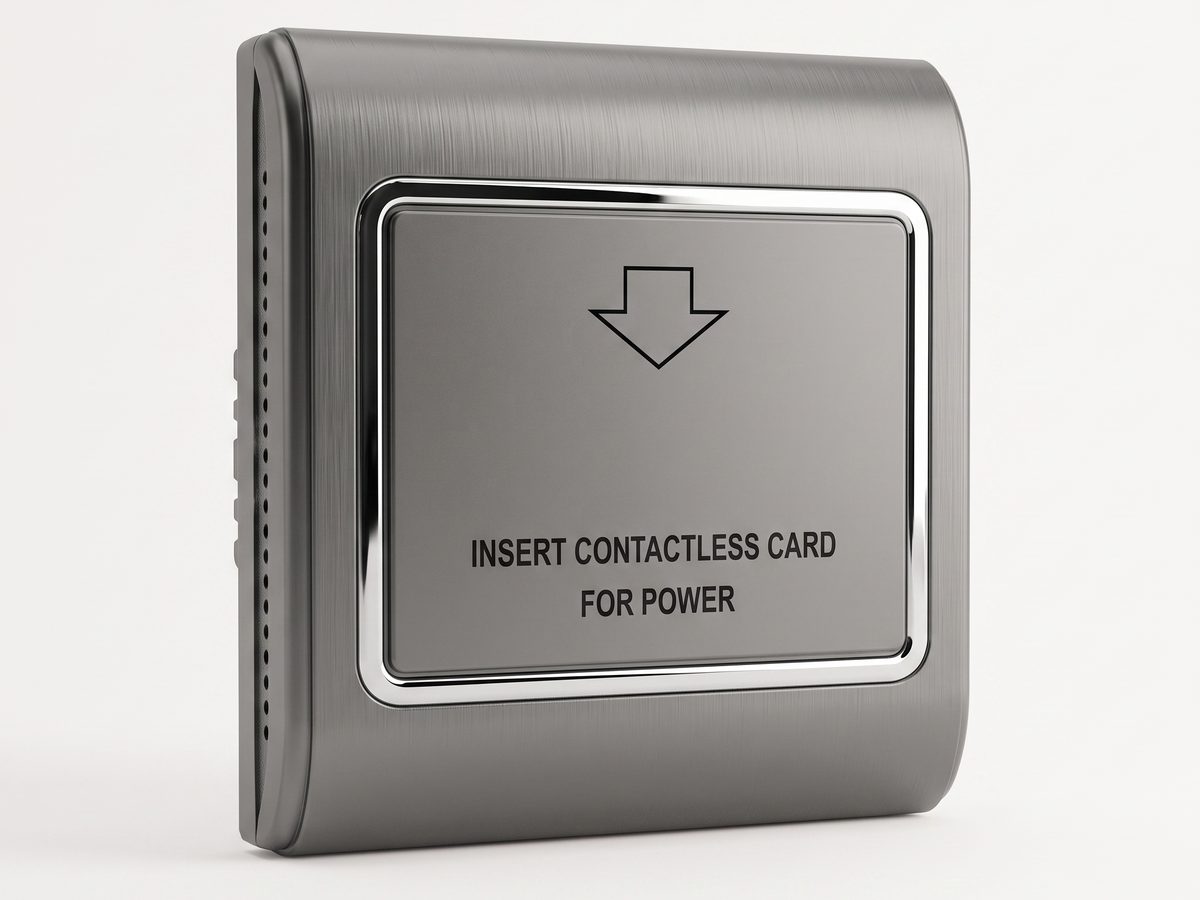
Sakelar Hemat Energi RFID — Kartu MIFARE Ruangan (Tipe B)
Sakelar hemat energi RFID yang mengikat daya ke kartu MIFARE ruangan tertentu. 13.56MHz MIFARE / 125kHz Temic, AC 180–250V, 30A, tunda mati 15 detik.
contentGraph.reasons.explicit
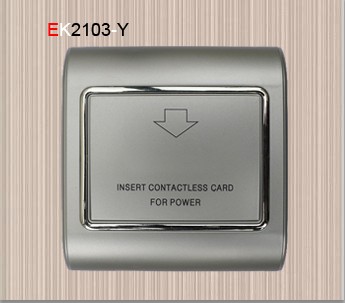
Saklar Energi TTLOCK — Terikat Kamar + Batas Waktu (Tipe C)
Saklar energi kompatibel TTLOCK dengan ID kamar dan batas waktu. Membaca kartu MIFARE TTLOCK / TTHotel via autentikasi sector-key, AC 180–250V, 30A.
contentGraph.reasons.explicit
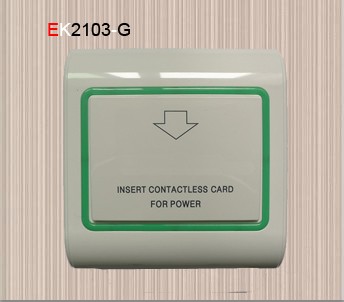
BLE Energy Switch — Kontrol Daya Hotel Bluetooth + WiFi
Saklar energi pintar BLE dengan Bluetooth LE dan WiFi untuk kontrol daya kamar hotel, mencatat pemakaian ke cloud, dan memangkas energi kamar 25–40%.
contentGraph.reasons.explicit
contentGraph.sections.solutions
3 Panduan Pembelian Saklar Hemat Energi Hotel 2026
Panduan membeli saklar hemat energi hotel: kartu universal, RFID/MIFARE, kompatibel TTLOCK, pintar BLE, dan sensor okupansi. Pilih yang tepat untuk kamar Anda.
contentGraph.reasons.explicit
Sistem Manajemen Energi Hotel — Kontrol Daya Kamar Efisien
Sistem manajemen energi hotel berbasis sakelar kartu, penghemat energi RFID, dan sensor okupansi yang memangkas 25–40% listrik kamar tamu hotel.
contentGraph.reasons.explicit
Sistem Manajemen Kamar Hotel Berbasis Kartu Listrik
Sistem manajemen kamar hotel praktis untuk mengatur daya listrik kamar melalui saklar kartu kunci, kontaktor, dan aturan operasional yang terdokumentasi.
contentGraph.reasons.productContext
contentGraph.sections.blog
3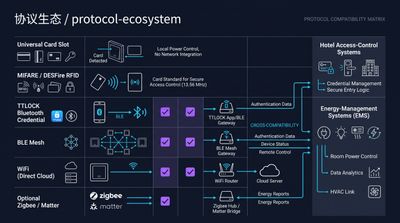
RFID vs NFC untuk Saklar Kartu Kunci Hotel: Pilih Mana?
RFID vs NFC pada saklar kartu kunci hotel berujung pada jangkauan dan penguncian: RFID 125kHz / 13.56MHz (MIFARE, Temic) adalah standar daya kamar hotel…
contentGraph.reasons.productContext
Apa Itu Hotel Key Card Switch dan Cara Hemat Energi Kamar
Hotel key card switch adalah perangkat dinding yang menyalakan listrik kamar saat kartu dimasukkan dan memutusnya saat kartu ditarik, hemat 25–40%…
contentGraph.reasons.productContext
Kalkulator Hemat Energi Hotel: Estimasi kWh dan Biaya
Kalkulator hemat energi hotel menjelaskan cara mengubah beban kamar dan jam operasi menjadi kilowatt-jam dan biaya dengan rumus serta contoh perhitungan.
contentGraph.reasons.productContext
nextStep.blog.title
nextStep.blog.description
- nextStep.blog.points.one
- nextStep.blog.points.two
- nextStep.blog.points.three