BLE vs WiFi Saklar Energi Hotel Terhubung: Mana Dipilih
BLE vs WiFi adalah pilihan konektivitas saklar energi hotel terhubung. BLE membuka lewat ponsel secara lokal; WiFi melaporkan pemakaian dan menerima…
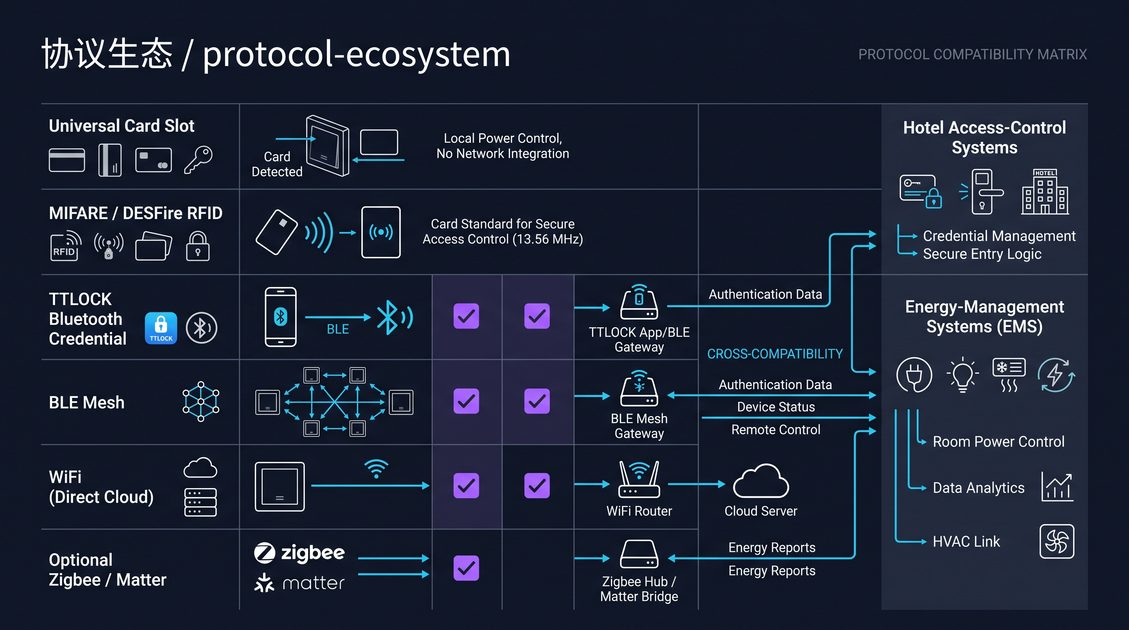
BLE vs WiFi adalah pembagian konektivitas di dalam saklar energi hotel terhubung: BLE (Bluetooth Low Energy) menangani pembukaan lokal — ponsel tamu membuka relai secara langsung, tanpa server di jalurnya — sementara WiFi mengirim peristiwa pemakaian ke cloud dan menerima otorisasi/cabut jarak jauh dari resepsionis. Saklar energi pintar BLE dengan demikian andal secara offline (kartu atau ponsel tetap berfungsi saat jaringan mati) dan penerapan saklar energi WiFi di hotel terlihat di cloud (kWh per kamar dan checkout jarak jauh tampil di dasbor). Keduanya bukan pesaing melainkan lapisan: BLE adalah kredensial lokal, WiFi adalah manajemen jarak jauh. Saklar energi hotel yang dilengkapi keduanya memberi tamu ponsel-sebagai-kunci di pintu dan tim energi catatan di meja depan, tanpa salah satu fungsi menghambat yang lain.
BLE vs WiFi: Cara Saklar Energi Hotel Membagi Tugasnya
Saklar energi pintar BLE berpasangan dengan ponsel tamu melalui Bluetooth LE dan memverifikasi kredensial pada chip saklar itu sendiri, lalu menutup relai 30A. Karena autentikasi bersifat lokal, kamar tetap mendapat daya meski WiFi mati, dan kartu MIFARE sebagai cadangan tetap bekerja saat baterai ponsel habis. Lapisan BLE tidak membutuhkan jaringan gedung maupun server aplikasi, itulah sebabnya saklar energi pintar BLE adalah bagian sistem yang tidak pernah gagal saat pemadaman — saklar energi hotel yang tetap bekerja ketika jaringan tidak. Batasnya adalah jangkauan: BLE adalah tautan area pribadi, baik untuk membuka kunci tetapi tidak untuk pelaporan. Di situlah WiFi berperan. Untuk properti yang menginginkan ponsel-sebagai-kunci tanpa ketergantungan cloud, saklar energi pintar BLE saja sudah memberikan pengalaman inti di sisi pintu dari saklar energi hotel.
BLE vs WiFi: Apa yang Ditambahkan Lapisan WiFi ke Saklar
Model saklar energi WiFi untuk hotel menggunakan tautan 2.4GHz untuk mengirim peristiwa daya ke dasbor dan menerima perintah jarak jauh — resepsionis mengotorisasi kamar ke ponsel tamu, dan saat checkout mencabutnya sehingga relai terbuka otomatis. Lapisan WiFi mengubah saklar hemat energi pintar dari perangkat lokal menjadi perangkat terkelola: housekeeping melihat kamar mana yang terisi, tim energi melihat kWh per kamar, dan meja depan mengakhiri masa menginap dengan satu klik alih-alih menarik kartu fisik. Penerapan saklar energi WiFi di hotel mengasumsikan jaringan selalu tersedia untuk fitur manajemen, tetapi tidak menghalangi pembukaan dasar, karena BLE dan cadangan kartu berjalan independen. Untuk pelaporan keberlanjutan dan operasi jarak jauh, WiFi-lah yang membuat penghematan dapat diaudit di seluruh armada saklar energi hotel, mengubah setiap saklar energi hotel terhubung menjadi pos yang terukur.
BLE vs WiFi: Menerapkan Kedua Lapisan pada Satu Saklar
Terapkan BLE dan WiFi bersamaan pada satu saklar energi pintar BLE agar setiap lapisan menutup celah lapisan lainnya. Tamu mengetuk ponsel (BLE) atau memasukkan kartu MIFARE (cadangan offline) untuk masuk; kamar mencatat setiap peristiwa daya melalui WiFi; meja depan mengotorisasi dan mencabut secara jarak jauh melalui WiFi. Jika WiFi mati, kamar tetap terbuka dan terdaya dengan benar — hanya catatan cloud dan checkout jarak jauh yang berhenti hingga tautan kembali. Saklar energi hotel dengan keduanya adalah versi terhubung dari loop relai 30A yang sama seperti model berkabel, sehingga dapat dipasang pada kotak tenggelam yang sama. Pilih saklar hemat energi pintar saat Anda menginginkan ponsel-sebagai-kunci dan penghematan yang dapat diaudit; lihat sistem manajemen energi hotel untuk cara BLE dan WiFi terpadu dalam satu tampilan per kamar.
BLE vs WiFi is the connectivity split inside a connected hotel energy switch: BLE (Bluetooth Low Energy) handles the local unlock — a guest phone opens the relay directly, no server in the path — while WiFi carries usage events to the cloud and receives remote authorize/revoke from the front desk. A BLE smart energy switch is therefore offline-reliable (the card or phone still works if the network is down) and a WiFi energy switch hotel deployment is cloud-visible (per-room kWh and remote checkout appear on a dashboard). The two are not competitors but layers: BLE is the local credential, WiFi is the remote management. A hotel energy switch that ships with both gives the guest phone-as-key at the door and the energy team a log at the desk, without either function blocking the other.
BLE vs WiFi: How a Hotel Energy Switch Splits the Job
A BLE smart energy switch pairs with a guest phone over Bluetooth LE and verifies the credential on the switch's own chip, then closes the 30A relay. Because authentication is local, the room powers up even with WiFi off, and a MIFARE card fallback keeps working if the phone battery dies. The BLE layer needs no building network and no app server, which is why a BLE smart energy switch is the part of the system that never fails during an outage — a hotel energy switch that keeps working when the network does not. Its limit is reach: BLE is a personal-area link, good for unlock but not for reporting. That is where WiFi comes in. For a property that wants phone-as-key without a cloud dependency, a BLE smart energy switch alone already delivers the core experience on the door side of the hotel energy switch.
BLE vs WiFi: What the WiFi Layer Adds to the Switch
A WiFi energy switch hotel model uses the 2.4GHz link to stream power events to a dashboard and to accept remote commands — front desk authorizes a room to a guest phone, and at checkout revokes it so the relay opens automatically. The WiFi layer turns the smart energy saving switch from a local device into a managed one: housekeeping sees which rooms are occupied, energy teams see per-room kWh, and the desk ends a stay with one click instead of a physical card pull. A WiFi energy switch hotel deployment assumes network uptime for the management features, but it does not gate the basic unlock, because BLE and the card fallback run independently. For sustainability reporting and remote operations, WiFi is what makes the saving auditable across the whole hotel energy switch fleet, turning each connected hotel energy switch into a measurable line item.
BLE vs WiFi: Deploying Both Layers on One Switch
Deploy BLE and WiFi together on one BLE smart energy switch so each layer covers the other's gap. The guest taps the phone (BLE) or inserts a MIFARE card (offline fallback) to enter; the room logs every power event over WiFi; the desk authorizes and revokes remotely over WiFi. If WiFi drops, the room still unlocks and powers correctly — only the cloud log and remote checkout pause until the link returns. A hotel energy switch with both is the connected version of the same 30A relay loop used by the wired models, so it retrofits into the same flush box. Choose the smart energy saving switch when you want phone-as-key and auditable savings; see the hotel energy management system for how BLE and WiFi roll up into one per-room view.
blog.inArticleCta.title
blog.inArticleCta.description
contentGraph.title
contentGraph.description
contentGraph.sections.products
2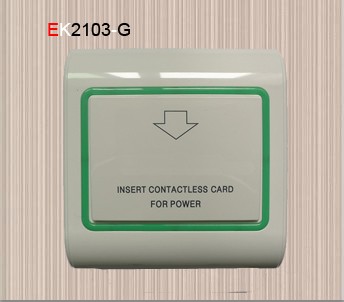
BLE Energy Switch — Kontrol Daya Hotel Bluetooth + WiFi
Saklar energi pintar BLE dengan Bluetooth LE dan WiFi untuk kontrol daya kamar hotel, mencatat pemakaian ke cloud, dan memangkas energi kamar 25–40%.
contentGraph.reasons.explicit
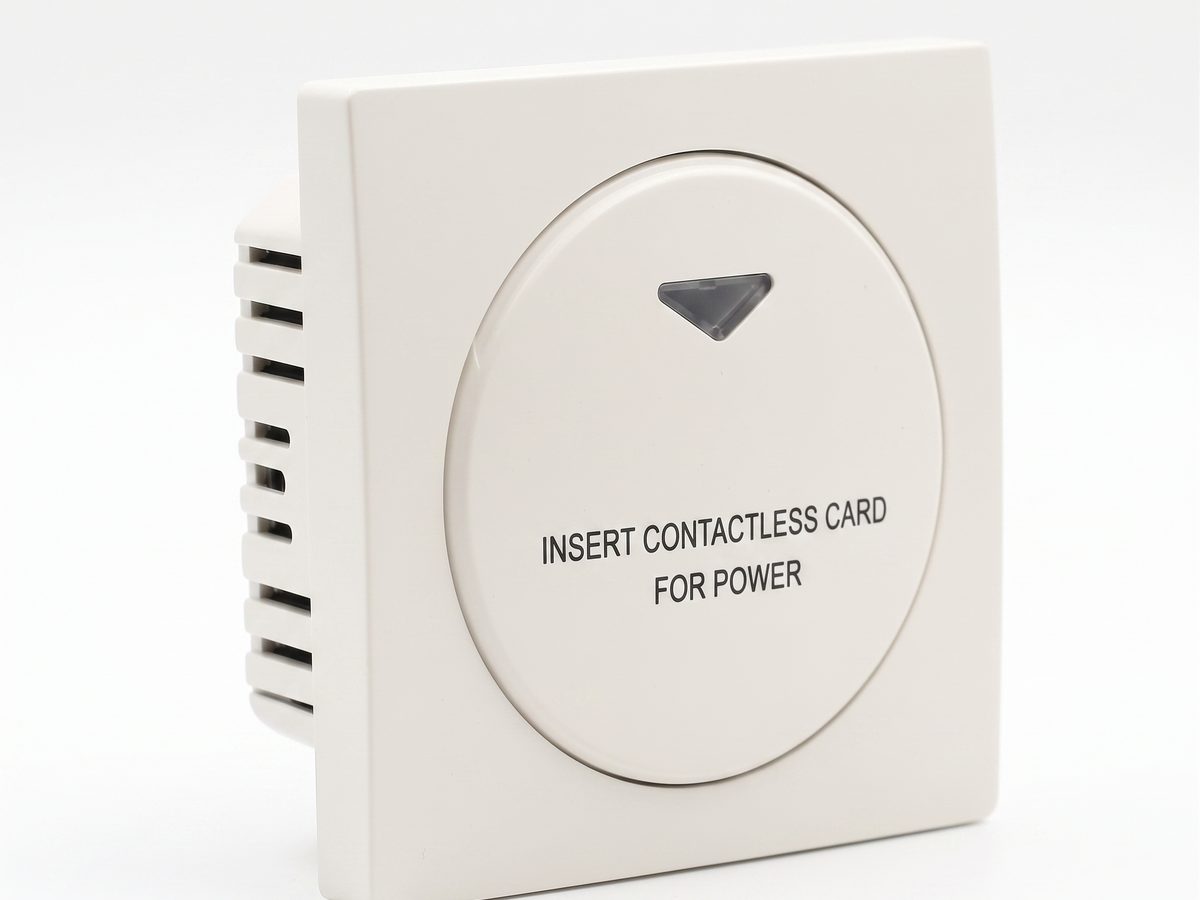
Hotel Key Card Switch — Kontrol Daya Kamar Tamu
Hotel key card switch untuk kontrol daya kamar tamu. Deteksi kartu RFID/IC, masukkan kartu untuk menyalakan daya, penundaan pemadaman saat kartu dilepas. 220V AC, 10A-16A, RS485 atau dry contact. CE RoHS. Pemasok OEM/ODM.
contentGraph.reasons.explicit
contentGraph.sections.solutions
3 Sistem Manajemen Energi Hotel — Kontrol Daya Kamar Efisien
Sistem manajemen energi hotel berbasis sakelar kartu, penghemat energi RFID, dan sensor okupansi yang memangkas 25–40% listrik kamar tamu hotel.
contentGraph.reasons.explicit
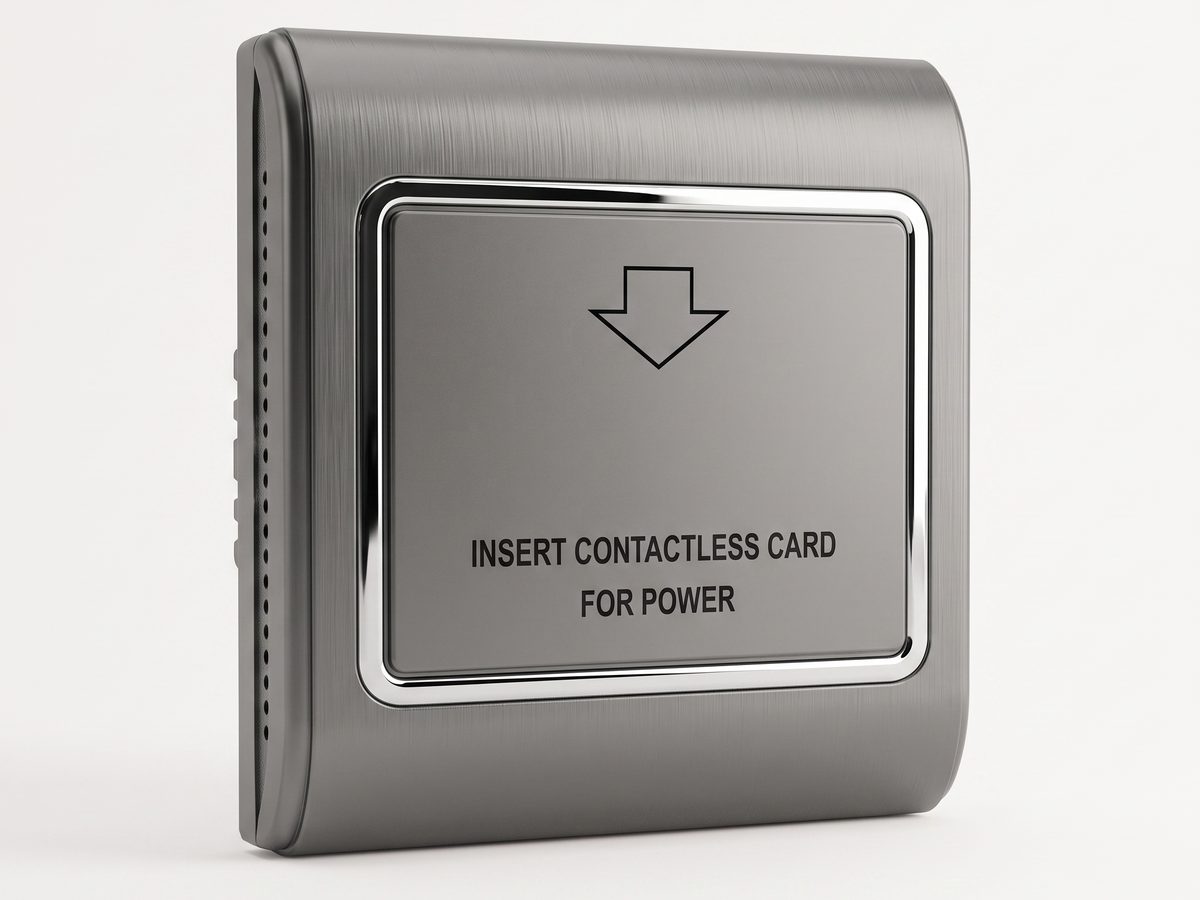
Panduan Pembelian Saklar Hemat Energi Hotel 2026
Panduan membeli saklar hemat energi hotel: kartu universal, RFID/MIFARE, kompatibel TTLOCK, pintar BLE, dan sensor okupansi. Pilih yang tepat untuk kamar Anda.
contentGraph.reasons.explicit
Sistem Manajemen Kamar Hotel Berbasis Kartu Listrik
Sistem manajemen kamar hotel praktis untuk mengatur daya listrik kamar melalui saklar kartu kunci, kontaktor, dan aturan operasional yang terdokumentasi.
contentGraph.reasons.productContext
contentGraph.sections.blog
3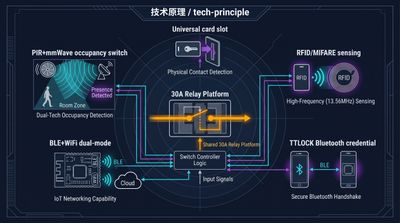
Hotel Key Card Switch: Jenis, Model, dan Cara Memilih
Panduan hotel key card switch mencakup model universal, RFID, TTLOCK, BLE, dan occupancy, serta cara memilih model yang sesuai dengan sistem kartu hotel Anda.
contentGraph.reasons.productContext
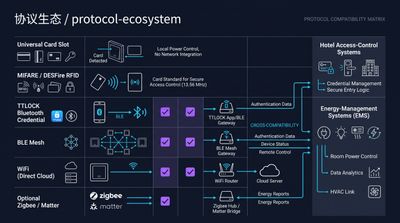
RFID vs NFC untuk Saklar Kartu Kunci Hotel: Pilih Mana?
RFID vs NFC pada saklar kartu kunci hotel berujung pada jangkauan dan penguncian: RFID 125kHz / 13.56MHz (MIFARE, Temic) adalah standar daya kamar hotel…
contentGraph.reasons.productContext
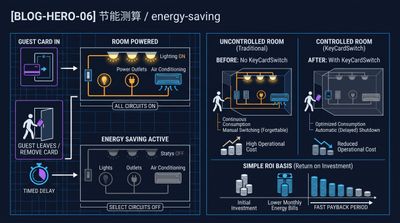
Apa Itu Hotel Key Card Switch dan Cara Hemat Energi Kamar
Hotel key card switch adalah perangkat dinding yang menyalakan listrik kamar saat kartu dimasukkan dan memutusnya saat kartu ditarik, hemat 25–40%…
contentGraph.reasons.productContext
nextStep.blog.title
nextStep.blog.description
- nextStep.blog.points.one
- nextStep.blog.points.two
- nextStep.blog.points.three