Interruptor de tarjeta inalámbrico vs cableado para hoteles: cuál elegir en tu reforma
Comparativa de interruptores de tarjeta inalámbricos vs cableados: cableado, facilidad de reforma, fiabilidad, alimentación, coste, latencia y cobertura. Cómo elegir el adecuado.
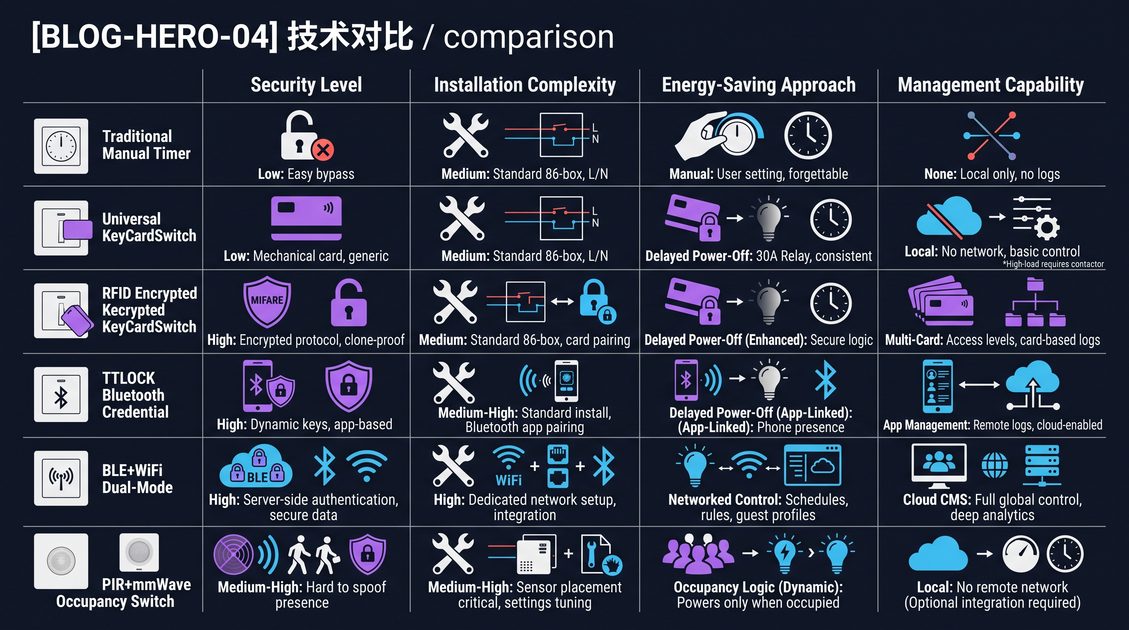
Una comparativa entre interruptor de tarjeta inalámbrico vs cableado para hoteles se centra en cómo el interruptor envía sus dos señales principales, el estado de tarjeta insertada y la orden de encendido, de vuelta a las cargas de la habitación. Un interruptor de tarjeta cableado transporta estas señales mediante conductores de cobre que van del interruptor a un contactor, un módulo de relé o directamente a la línea de alimentación de CA que alimenta la iluminación y los enchufes de la habitación, lo que significa que cada habitación necesita su propia tirada de cable a través del falso techo, sobre el dintel de la puerta o dentro de un canal de cableado. Un interruptor de tarjeta inalámbrico incorpora en su lugar un transceptor de radio, típicamente en banda de 433 MHz, 868 MHz, 915 MHz o 2,4 GHz, que despierta en una programación de baja frecuencia y envía el cambio de estado a un nodo receptor en otra parte de la habitación, eliminando la necesidad de un cable de señal dedicado hasta el punto de distribución de energía. Los dos enfoques difieren en complejidad de cableado de instalación, viabilidad de reforma, fiabilidad a largo plazo, cómo se alimentan, coste total instalado y la cobertura o latencia que pueden garantizar. Esta guía compara estas dimensiones y explica cómo elegir el interruptor adecuado.
Qué Significa Inalámbrico vs Cableado para el Cableado de Instalación
La diferencia central en cualquier decisión entre interruptor de tarjeta inalámbrico vs cableado es la cantidad de cableado de instalación que cada enfoque exige en una habitación. Un interruptor de tarjeta cableado requiere una ruta de señal que conecte físicamente el cuerpo del interruptor al punto de control de energía de la habitación, por lo que el instalador debe tender al menos un cable desde el interruptor, normalmente montado junto a la puerta en el interior de la habitación, hasta el punto de distribución que conmuta la iluminación, los enchufes y el aire acondicionado. En un hotel de hormigón, la tirada suele discurrir por el falso techo, baja por la cavidad de la pared junto al marco de la puerta o discurre por un canal de cableado visto cuando la estructura no permite rozar fácilmente. Cada habitación repite este proceso, así que una propiedad de 200 habitaciones multiplica la longitud de cable, los puntos de fijación y las horas de mano de obra por doscientos. Un interruptor de tarjeta inalámbrico, en cambio, no necesita cable de señal alguno: el instalador monta el interruptor en la pared, conecta una alimentación local y deja que el enlace de radio lleve el estado de vuelta a un receptor cercano o a un actuador a batería en el punto de distribución. Esto reduce el trabajo de cableado a una fracción del caso cableado, por eso los proyectos de reforma en hoteles en funcionamiento, edificios catalogados y estructuras ligeras tan a menudo prefieren la vía inalámbrica. En una obra nueva donde paredes y techos están abiertos antes de los acabados, el coste extra de cable de la opción cableada es bajo, y la ruta de señal estable que proporciona se convierte en factor decisivo. La dimensión del cableado de instalación decide, por tanto, la fase de proyecto para la que cada tipo de interruptor es más adecuado: cableado para construcción desde cero, inalámbrico para trabajos de mejora en ocupación donde abrir paredes es disruptivo y caro.
Instalación Cableada y Complejidad del Tendido de Cable
Una instalación de interruptor de tarjeta cableado se construye en torno a un bucle de conductor continuo desde el interruptor al dispositivo de control de energía. El tendido típico incluye un conductor de fase que se conmuta, un conductor de neutro para el propio circuito del interruptor y la salida de control que acciona la bobina de un contactor o un relé. Como el interruptor se monta alto junto a la puerta para coincidir con la altura de la ranura de la tarjeta, y el punto de distribución suele estar cerca de la entrada de la habitación o en un falso techo sobre el baño, el cable a menudo pasa por al menos dos uniones de pared y techo. Cada unión introduce un punto de terminación, una ubicación de fallo potencial y tiempo de instalación adicional. En un hotel en funcionamiento, el instalador debe proteger los acabados, planificar la ruta para evitar tendidos eléctricos y de datos existentes, y coordinarse con el horario de limpieza para que ninguna habitación permanezca fuera de servicio más de lo previsto. El trabajo físico de pescar cable por un techo acabado, con puntos de tiro cada pocos metros, puede dominar el coste de toda la actualización de interruptores. En habitaciones con tabiques de hormigón macizo, el canal visto puede ser la única ruta práctica, y eso añade hardware visible que el propietario debe aceptar. La complejidad del tendido aumenta bruscamente con la distancia entre el interruptor y el punto de distribución y con el número de plantas servidas por un único cuadro, por lo que una solución cableada necesita una coordinación cuidadosa entre el contratista eléctrico y el equipo de acabados interiores.
Instalación Inalámbrica y Montaje sin Cable
Un interruptor de tarjeta inalámbrico elimina la parte más larga y cara de la cadena de instalación, el cable de señal de vuelta al punto de distribución. El instalador monta el interruptor en la pared junto a la puerta, conecta la alimentación local, que puede ser una alimentación de baja tensión o un compartimento de baterías según el modelo, y configura el enlace de radio con el receptor. El receptor, que se monta normalmente cerca del punto de distribución de energía o dentro del falso techo, cierra o abre un relé que controla los circuitos de iluminación y enchufes. Al no haber conductor que tender por la estructura del edificio, la opción inalámbrica encaja en habitaciones donde paredes y techos no pueden abrirse, donde regulaciones de patrimonio o incendio prohíben rozar, o donde la mejora en ocupación debe hacerse sin desalojar al huésped. El interruptor se comunica mediante una programación de despertar de baja frecuencia, durmiendo la mayor parte del tiempo y despertando solo para transmitir un cambio de estado, lo que mantiene la vida de la batería en rango de varios años y el tráfico de radio lo bastante bajo para evitar interferencias entre habitaciones. La eliminación de tiradas de cable también acorta el tiempo medio de instalación por habitación de horas a minutos, lo que importa a un propietario que quiere convertir un gran bloque de habitaciones en una sola ventana de mantenimiento. El compromiso es que el enlace de radio, la posición del receptor y la alimentación en la habitación deben planearse cuidadosamente para que la vía inalámbrica sea fiable en cada habitación de la propiedad.
Inalámbrico vs Cableado en Escenarios de Reforma y Renovación
El trabajo de reforma, donde el hotel ya opera y las habitaciones están en uso diario, es el escenario donde la elección entre interruptor de tarjeta inalámbrico vs cableado tiene las consecuencias prácticas más fuertes. En una reforma, las habitaciones están acabadas, los techos cerrados, las paredes decoradas, y la propiedad no puede permitirse cierres prolongados. Instalar un interruptor de tarjeta cableado en un edificio ocupado significa perturbar esos acabados para tender cable nuevo, y en muchos casos implica sacar cada habitación de servicio un día o más. El coste de una reforma cableada incluye, por tanto, no solo materiales y mano de obra, sino también la pérdida de ingresos por habitación durante el cierre, y este coste indirecto a menudo supera varias veces el precio del hardware. Un interruptor de tarjeta inalámbrico invierte la economía: el instalador completa cada habitación en una fracción del tiempo, la habitación puede seguir vendible el mismo día, y la estructura del edificio permanece intacta. Como el interruptor inalámbrico solo necesita una alimentación local y un breve paso de puesta en marcha, un equipo pequeño puede convertir docenas de habitaciones en un solo periodo de mantenimiento. El escenario de reforma también cubre propiedades donde la propia estructura descarta el cableado, como hoteles patrimoniales con interiores protegidos, estructuras de tabiques de madera o ligeros, y edificios alquilados donde el propietario no aprobará tendidos de cable estructurales. Para estos sitios, el interruptor inalámbrico no es solo más barato, es la única opción factible. Cuando la decisión se toma para una reforma, el equipo de la propiedad debe auditar cada habitación para la cobertura del receptor, la disponibilidad de alimentación en la ubicación del interruptor y la distribución de la habitación que podría bloquear la ruta de radio, porque estos factores determinan si el despliegue inalámbrico tiene éxito a escala.
Reformar un Hotel en Funcionamiento sin Cerrar Habitaciones
Un hotel en funcionamiento espera ingresos continuos de cada habitación, por lo que gana el método de reforma que cierre las menos habitaciones. Con un interruptor de tarjeta cableado, la tirada de cable casi siempre requiere mover las pertenencias del huésped, trabajar sobre el falso techo y dejar la habitación no vendible mientras dura el trabajo. Incluso una instalación cableada rápida lleva varias horas por habitación, y la habitación puede necesitar una noche para asentarse antes de volver a venderse. Un interruptor de tarjeta inalámbrico encaja en una ventana normal de limpieza: el técnico sustituye el interruptor existente o monta uno nuevo, conecta la alimentación, vincula el enlace de radio al receptor y verifica que la iluminación y los enchufes responden. La habitación puede volver al inventario el mismo día. Esta diferencia se compone en una propiedad: una reforma de 100 habitaciones hecha inalámbricamente puede entregarse en una sola semana con dos técnicos, donde el mismo trabajo con tiradas de cable podría llevar varias semanas y perturbar la disponibilidad de reservas durante todo el proceso. La propiedad debe también ponderar el coste de daños y redecoración de cada pared rozada, ya que cada corte, relleno y repintado añade mano de obra de acabado y una reparación visible. La reforma inalámbrica preserva los acabados, protege la experiencia del huésped y mantiene intacto el flujo de ingresos, por eso las mejoras en ocupación en hoteles en marcha tan a menudo eligen la vía inalámbrica.
Edificios Patrimoniales, Ligeros y con Estructura Restringida
Ciertos tipos de edificio hacen la instalación cableada impracticable o imposible, y estos son los casos de uso inalámbrico más claros en la comparativa. Los hoteles patrimoniales con interiores protegidos prohíben frecuentemente rozar paredes o tender canalizaciones vistas, y el proceso de aprobación para cualquier cambio estructural puede llevar meses. Los edificios ligeros con estructuras de madera, tabiques de cartón-yeso o paneles de acero no sujetan bien un cable rozado, y tender canal visto daña la estética que esperan los huéspedes. Los edificios bajo arrendamiento donde el arrendador no permite tendidos de cable permanentes a través de la estructura descartan la opción cableada de plano. Para todos estos, un interruptor de tarjeta inalámbrico entrega la función de ahorro energético y control de acceso sin modificar la estructura del edificio, por lo que el interruptor se convierte en la recomendación estándar. El instalador monta el receptor en el falso techo o junto al cuadro de distribución existente, lo alimenta desde el circuito existente y deja que el interruptor inalámbrico reporte el estado de la tarjeta a través de la habitación. Como la señal atraviesa cartón-yeso y muchos materiales ligeros con baja atenuación, la vía inalámbrica es fiable precisamente en las estructuras donde las tiradas de cable son más difíciles. La decisión de reforma en estos edificios no es, por tanto, una comparativa ajustada: la opción cableada queda descalificada por motivos estructurales, y la opción inalámbrica se convierte en el estándar práctico por defecto.
Fiabilidad y Estabilidad de Señal: Inalámbrico vs Cableado
La fiabilidad a largo plazo es la dimensión donde los dos tipos de interruptor intercambian fortalezas, y moldea cada selección entre inalámbrico vs cableado para propiedades que no toleran habitaciones fuera de servicio. Un interruptor de tarjeta cableado ofrece la mayor estabilidad de señal posible porque el estado viaja por un conductor continuo sin ruta de radio que degradar, por lo que la respuesta interruptor-carga es inmediata e inafectada por paredes, interferencias o distancia dentro de la habitación. Sus puntos de fallo son las terminaciones físicas, los contactos del relé o contactor, y el aislamiento del cable, todos deterministas y fáciles de diagnosticar para un electricista. Un interruptor de tarjeta inalámbrico elimina esos cables pero introduce un enlace de radio que debe mantenerse fiable a través de paredes, muebles metálicos y canales adyacentes, por lo que su diseño debe compensar con fuerte margen de enlace, un protocolo de despertar de baja potencia y una arquitectura de receptor que confirme la entrega y reintente ante fallo. En la práctica, un interruptor inalámbrico bien diseñado alcanza fiabilidad muy alta durante su vida a batería o alimentado porque la distancia dentro de una habitación es corta, la transmisión se repite hasta ser confirmada y el receptor se monta en posición con ruta despejada. La comparativa se reduce, pues, a la naturaleza del riesgo: un enlace cableado falla rara vez pero sus fallos pueden ser laboriosos de rastrear, mientras que un enlace inalámbrico puede en principio verse afectado por un cambio de distribución de la habitación o un dispositivo interferente, pero falla sin obra de cableado porque el instalador simplemente sustituye o reposiciona un nodo. El equipo de mantenimiento debe emparejar el tipo de interruptor elegido con la estructura del edificio, el tamaño de la habitación y el estado del cableado, porque un interruptor fiable en una propiedad puede ser una carga en otra si la ruta de radio o la ruta de cable es mala.
Ruta de Señal Cableada y Comportamiento Determinista
Un interruptor de tarjeta cableado se comporta de forma determinista porque cada cambio de estado viaja por un conductor con resistencia fija, y la respuesta en el relé es esencialmente simultánea a la inserción de la tarjeta. El instalador puede verificar la ruta con un medidor de continuidad, y cualquier fallo se encuentra comprobando las terminaciones en orden, que es un procedimiento estándar para cualquier electricista. Este determinismo es valioso en habitaciones donde un encendido retardado molestaría al huésped, como una luz de pasillo o un extractor de baño que debe energizarse en el momento en que entra la tarjeta. El enfoque cableado es también inmune a la interferencia de radio que puede afectar ocasionalmente a un nodo inalámbrico en una instalación densa, y no depende del estado de la batería ni de que el receptor esté a alcance, porque el receptor y el interruptor son el mismo dispositivo o una pareja cableada. El compromiso es que el comportamiento determinista depende enteramente de la integridad del cable y sus terminaciones, y en un edificio viejo el cableado existente puede estar fatigado, las terminaciones pueden corroerse o la ruta puede haber sido dañada por una modificación previa. Para una propiedad nueva o recableada, la ruta cableada es la garantía más fuerte de fiabilidad, por eso la opción cableada sigue siendo el estándar en obra nueva y en propiedades que exigen la menor latencia posible interruptor-carga.
Enlace Inalámbrico de Baja Potencia y Entrega Confirmada
Un interruptor de tarjeta inalámbrico logra fiabilidad mediante un protocolo de radio diseñado para vida a batería y alimentado. El interruptor pasa la mayor parte del tiempo en reposo de baja potencia y despierta en una programación de baja frecuencia, típicamente cada pocos cientos de milisegundos, para escuchar una orden o transmitir un cambio de estado cuando la tarjeta se inserta o retira. Como la distancia dentro de una habitación es corta, el margen de enlace es alto y la señal es confirmada por el receptor, por lo que una trama perdida se retransmite hasta confirmarse, eliminando el riesgo de un evento de encendido perdido. El receptor, montado en el punto de distribución, decodifica el mensaje y acciona el relé, y puede alimentarse desde la alimentación existente para que su propia batería no limite la instalación. El protocolo mantiene el tráfico de radio bajo, lo que reduce la posibilidad de colisión entre habitaciones vecinas, y la banda de operación se elige según el entorno regulatorio local, con 433 MHz y 868 MHz comunes en gran parte del mundo y 915 MHz en partes de América, por lo que la ruta tiene fuerte penetración a través de tabiques interiores estándar. El diseño de entrega confirmada y la corta distancia en habitación dan juntos a un interruptor inalámbrico bien especificado un perfil de fiabilidad que cumple las exigencias de una propiedad comercial, y cualquier cambio futuro, como un nuevo tabique metálico o una distribución de muebles distinta, puede gestionarse reposicionando un nodo en lugar de recablear.
Alimentación y Comportamiento Energético: Inalámbrico vs Cableado
La forma en que cada tipo de interruptor se alimenta es una restricción práctica que los compradores ponderan pronto en cualquier evaluación entre inalámbrico vs cableado. Un interruptor de tarjeta cableado se alimenta de la red de CA de la habitación, ya sea directamente del circuito conmutado o de una alimentación de baja tensión derivada de ella, por lo que tiene una fuente de energía efectivamente ilimitada y no necesita mantenimiento de batería. El propio interruptor consume una pequeña cantidad de energía que contribuye a la carga en reposo de la habitación, pero como forma parte del circuito controlado solo consume cuando la habitación está en uso o en bajo reposo. Un interruptor de tarjeta inalámbrico puede alimentarse de dos formas: desde una alimentación local de baja tensión, normalmente un pequeño adaptador de CA o una toma regulada derivada del circuito de iluminación de la habitación, o desde baterías internas cuando se requiere una instalación totalmente sin cables. Los interruptores inalámbricos a batería están diseñados para funcionar años con una programación de despertar de baja frecuencia, con la radio durmiendo entre transmisiones, pero la batería es un recurso finito que el equipo de mantenimiento debe rastrear y eventualmente reemplazar. Los interruptores inalámbricos alimentados eliminan la preocupación por la batería pero siguen requiriendo una pequeña alimentación en la ubicación del interruptor, que suele ser sencilla de proveer porque la entrada de la habitación tiene cableado existente. El comportamiento energético también afecta al método de conmutación: ambos tipos suelen accionar un relé o contactor que controla las cargas de la habitación, y el beneficio de ahorro energético viene de cortar la alimentación a iluminación, enchufes y aire acondicionado cuando se retira la tarjeta, independientemente del tipo de enlace. Ningún enfoque debe especificarse con la promesa de un porcentaje fijo de ahorro, porque el ahorro real depende del patrón de ocupación de la habitación y de las cargas instaladas.
Alimentación de Red Cableada y Bajo Mantenimiento
El interruptor de tarjeta cableado toma su energía de operación de la red de la habitación, por lo que nunca necesita reemplazo de batería y puede dejarse en servicio durante la vida del acabado. Como el interruptor está cableado en el circuito controlado, el instalador no necesita planear un punto de alimentación separado, y el mismo conductor que lleva la fase conmutada puede proveer la alimentación de lógica a través de una etapa de potencia interna. Esto elimina toda una clase de tareas de mantenimiento, ya que no hay pila que cambiar ni circuito de carga que inspeccionar. El interruptor cableado también entrega una función pequeña pero útil en que su estado está siempre sincronizado con la red, por lo que un corte de energía que reinicie el interruptor se gestiona con un reinicio normal en lugar de por una batería agotada. El coste de esta simplicidad es que el interruptor cableado debe ser alcanzado por un conductor de alimentación, que es exactamente el cable que un proyecto de reforma intenta evitar. Para una obra nueva o una habitación recableada, la alimentación de red es gratuita, y el bajo mantenimiento de la opción cableada se convierte en una ventaja operativa real durante la vida de la habitación.
Variantes Inalámbricas a Batería y Alimentadas
Un interruptor de tarjeta inalámbrico ofrece al instalador la elección entre operación a batería y una alimentación local de baja tensión, y esa elección afecta al plan de mantenimiento. La variante a batería es la más atractiva para los sitios de reforma más duros porque no necesita conductor alguno en el interruptor, y la programación de despertar de baja frecuencia mantiene el consumo lo bastante bajo para una vida de pila de varios años. El equipo de mantenimiento debe mantener un stock de las pilas correctas y planificar su reemplazo periódico, pero como el interruptor reporta su estado y el receptor puede señalar batería débil, el reemplazo puede planificarse en lugar de ser reactivo. La variante inalámbrica alimentada elimina la preocupación por la batería alimentando el interruptor desde una pequeña alimentación regulada derivada de la iluminación existente de la habitación, por lo que la instalación mantiene el beneficio de reforma sin cable eliminando el servicio periódico de batería. En ambas variantes, el interruptor acciona las cargas de la habitación a través de un relé en el receptor, por lo que la conmutación de alta corriente permanece en el punto de distribución y el interruptor inalámbrico solo maneja la señal de control de baja potencia. Los compradores deben confirmar el consumo en reposo de la variante alimentada y la vida de batería declarada de la variante a batería, porque estos valores, no las afirmaciones de marketing, determinan el coste operativo y el intervalo de servicio para la propiedad.
Comparativa de Costes: Inalámbrico vs Cableado
El coste total es a menudo el factor decisivo, y una comparativa de costes adecuada entre interruptor de tarjeta inalámbrico vs cableado debe mirar más allá del precio unitario al coste instalado en toda la propiedad. El precio unitario de un interruptor de tarjeta cableado suele ser menor que el de un modelo inalámbrico comparable, porque el interruptor cableado no tiene módulo de radio ni nodo receptor. Pero el coste instalado de la opción cableada incluye el cable, las canalizaciones o canales, la mano de obra de terminación, la redecoración de superficies rozadas y, en una reforma, la pérdida de ingresos por habitación durante el cierre, y estas partidas suelen superar el ahorro de hardware por amplio margen. La opción inalámbrica lleva un coste de hardware mayor por habitación, para el interruptor y el receptor, pero elimina casi por completo el cable, los canales y las reparaciones de superficie, y reduce drásticamente la mano de obra por habitación, por lo que el coste total instalado para una reforma inalámbrica es a menudo menor que el equivalente cableado. En una obra nueva, el cálculo se invierte porque los cables se instalan antes de los acabados y el coste marginal de una tirada extra es pequeño, por lo que el menor precio de hardware del interruptor cableado puede hacerlo más barato en total. La comparativa incluye también el coste de operación durante la vida del interruptor: la opción cableada no tiene batería, mientras que un interruptor inalámbrico a batería necesita pilas periódicas, aunque la variante inalámbrica alimentada evita esa partida. Un comprador debe construir una tabla con precio de hardware, cable y accesorios, mano de obra por habitación, reparación de superficie, impacto del cierre y servicio de ciclo de vida, y aplicarla al número de habitaciones de la propiedad para alcanzar una decisión justa.
Coste de Hardware, Cable y Mano de Obra por Habitación
El coste por habitación es la cifra que un equipo de compras puede comparar directamente. Para un interruptor de tarjeta cableado, el hardware es modesto pero el cable y accesorios suman, con varios metros de conductor, grapas o canal, y materiales de terminación por habitación, y la mano de obra es la partida dominante porque la tirada debe planearse, tenderse, terminarse y probarse. En una reforma, la reparación de superficie y el cierre añaden coste indirecto adicional. Para un interruptor de tarjeta inalámbrico, el hardware incluye el interruptor y su receptor, lo que eleva la cifra unitaria, pero la mano de obra es una fracción pequeña del valor cableado porque no hay cable que tender, y no hay penalización por reparación de superficie o cierre. En un bloque de cien habitaciones, la diferencia en horas totales de mano de obra es la palanca principal en la factura final, y en muchos mercados decide qué opción es más barata. Una regla práctica es que la opción inalámbrica gana la comparativa de coste en reforma y despliegues multiplanta, mientras que la opción cableada gana en obra nueva y en renovaciones pequeñas de una sola habitación donde la ruta de cable es corta.
Coste de Ciclo de Vida y Mantenimiento
Más allá de la primera instalación, el panorama de costes incluye el mantenimiento que mantiene el interruptor funcionando durante la vida de la habitación. Un interruptor de tarjeta cableado no tiene batería ni radio que servir, por lo que su coste de ciclo de vida se concentra en los fallos deterministas de terminaciones y contactos de relé, que un electricista puede diagnosticar rápido. Un interruptor inalámbrico a batería añade una partida recurrente para las pilas y la mano de obra de reemplazo, repartida en la vida multi-año de la batería, y la propiedad debe mantener repuestos y rastrear el calendario de reemplazo. Un interruptor inalámbrico alimentado elimina el coste de batería pero mantiene el nodo receptor como punto de servicio que debe mantenerse sano. El equipo de mantenimiento debe ponderar el bajo coste rutinario de la opción cableada contra la ventaja de no cablear de la inalámbrica, y notar que la variante inalámbrica alimentada ofrece la mayor parte del beneficio de instalación inalámbrica con un coste de ciclo de vida cercano al cableado. Para una propiedad que planifica una vida operativa de diez años, la línea de ciclo de vida puede ser tan importante como la de primera instalación, por lo que ambas deben modelarse juntas.
Latencia, Cobertura y Alcance de Control: Inalámbrico vs Cableado
El comportamiento de control de los dos tipos de interruptor difiere en la latencia interruptor-carga, la cobertura que pueden proporcionar y el alcance de lo que controlan, todo lo cual importa para la experiencia en la habitación. Un interruptor de tarjeta cableado responde a la tarjeta casi instantáneamente porque la señal viaja por un conductor, por lo que la iluminación y el aire acondicionado se energizan en el momento en que se inserta la tarjeta, y la habitación corta la energía en el momento en que se retira. Esta baja latencia es cómoda para los huéspedes y soporta comportamientos rápidos como una luz de pasillo que debe encenderse inmediatamente. Un interruptor de tarjeta inalámbrico introduce un pequeño retardo de transmisión del orden del intervalo de despertar, típicamente una fracción de segundo, porque el interruptor debe despertar, transmitir y recibir una confirmación antes de que el relé actúe, y un diseño bien ajustado mantiene este retardo lo bastante pequeño para que el huésped no lo note. La cobertura de un sistema cableado es efectivamente ilimitada dentro de la propiedad porque cada habitación tiene su propio conductor y no hay canal de radio compartido que saturar. La cobertura de un sistema inalámbrico depende de la colocación del receptor y del plan de radio, pero como cada habitación tiene su propio receptor, la carga de canal es baja y la cobertura es fiable. El alcance de control también difiere en flexibilidad: un interruptor cableado controla las cargas a través de su salida fija, mientras que un interruptor inalámbrico puede enrutar su estado a un receptor que controla las cargas de la habitación y, en algunos modelos, un conjunto de salidas configurables, lo que da al equipo de ingeniería más libertad de distribución cuando las cargas de la habitación están repartidas.
Respuesta Interruptor-Carga y Experiencia del Huésped
El tiempo de respuesta moldea la experiencia del huésped en la puerta. Con un interruptor cableado, la carga se energiza en el momento de la inserción de la tarjeta, que es el comportamiento que espera un huésped al entrar en una habitación oscura y buscar el interruptor de luz. Con un interruptor inalámbrico, el mismo evento ocurre tras el corto ciclo de despertar-y-transmitir, y en un buen diseño esto es una fracción de segundo, por lo que la experiencia práctica es casi idéntica. El equipo de ingeniería debe confirmar el tiempo de respuesta declarado del modelo inalámbrico y no debe aceptar un diseño con intervalo de sondeo largo, porque un retardo de más de un segundo hace que la habitación se sienta poco responsiva. La respuesta interruptor-carga afecta también al comportamiento de apagado, donde las cargas de la habitación deben cortar prontamente al retirar la tarjeta para entregar el ahorro energético sin dejar luces encendidas. Ambos tipos de interruptor pueden configurarse con un corto retardo en la retirada para que el compresor del aire acondicionado no reinicie demasiado rápido, pero el corte base de energía debe ser inmediato. Los compradores deben tratar el tiempo de respuesta como una especificación a verificar, no una suposición, y preferir un modelo inalámbrico que declare su intervalo de despertar y su tiempo de respuesta de relé en la hoja de datos.
Cobertura, Alcance y Planificación de Canal
La planificación de cobertura y alcance difiere entre los dos tipos. Un interruptor cableado no tiene alcance de radio que planear, porque cada habitación es autónoma en su propio conductor, por lo que una propiedad de cualquier tamaño puede cablearse sin preocuparse por saturación de canal o interferencias entre plantas. Un interruptor inalámbrico necesita un plan de radio: el receptor debe colocarse a alcance del interruptor, la banda debe adecuarse a las regulaciones locales y a los materiales del edificio, y el protocolo de baja frecuencia debe mantener el canal libre para que muchas habitaciones puedan compartir la misma frecuencia sin colisionar. Como cada habitación suele tener su propio receptor, la cobertura práctica es por habitación, y el instalador debe asegurar que el receptor tiene ruta despejada a través del dintel de la puerta y el falso techo. El diseño de despertar de baja frecuencia mantiene la transmisión de cada habitación corta y rara, lo que permite que una planta densa funcione en canal compartido. El equipo de ingeniería debe probar la ruta de radio en habitaciones representativas, incluidas las de esquina y las con tabiques metálicos, antes de comprometer la propiedad entera, porque la validación de cobertura es la principal tarea de planificación única de la opción inalámbrica.
Inalámbrico vs Cableado: Cómo Elegir la Opción Adecuada
Uniendo las dimensiones, la elección entre un interruptor de tarjeta inalámbrico y uno cableado se decide por la fase del proyecto, la estructura del edificio y las restricciones operativas, y para propiedades grandes un despliegue híbrido es a menudo la mejor respuesta. Elige un interruptor de tarjeta cableado para obra nueva, para proyectos de recableado y para habitaciones donde la menor latencia y la mayor fiabilidad determinista importan, porque el coste de cable es bajo cuando el edificio está abierto y la ruta cableada es la garantía más fuerte. Elige un interruptor de tarjeta inalámbrico para reforma de hotel en funcionamiento, para edificios patrimoniales o ligeros, para habitaciones que no pueden cerrarse y para cualquier proyecto donde la estructura del edificio deba permanecer intacta, porque la instalación sin cable es más rápida, barata y menos disruptiva. Para una propiedad grande que mezcla tipos de edificio, despliega una solución híbrida: usa interruptores cableados en las alas que se recablean o construyen nuevas, e inalámbricos en las alas ocupadas y en áreas de estructura restringida, para que cada habitación use la opción más económica y fiable disponible. En todo caso, verifica las especificaciones de las que depende la decisión: el tiempo de respuesta, la vida de batería o requisito de alimentación, la banda regulatoria y la cobertura del receptor, y valida la elección en una habitación piloto antes de escalar al bloque completo. A continuación se proporciona una tabla de decisión que resume la lógica de selección para el comprador y el equipo de ingeniería.
| Factor de decisión | Interruptor de tarjeta cableado | Interruptor de tarjeta inalámbrico |
|---|---|---|
| Cableado de instalación | Tirada completa a punto de distribución | Sin cable de señal, solo alimentación local |
| Reforma hotel en funcionamiento | Disruptivo, cierra habitaciones | Rápido, habitación vuelve mismo día |
| Obra nueva | Coste marginal de cable bajo, recomendado | Opcional, hardware suele ser más caro |
| Fiabilidad de señal | Determinista, sin ruta de radio | Alta, enlace de baja potencia confirmado |
| Latencia interruptor-carga | Casi instantánea | Corto retardo despertar-y-transmitir |
| Alimentación | Red de habitación, sin batería | Batería o alimentación local baja tensión |
| Coste total instalado | Hardware menor, instalación mayor en reforma | Hardware mayor, instalación menor en reforma |
| Mantenimiento | Sin servicio de batería | Servicio de batería o variante alimentada |
| Cobertura | Ilimitada conductores por habitación | Receptor por habitación, plan de radio necesario |
| Mejor escenario | Obra nueva, recableado, demanda baja latencia | Reforma, patrimonio, estructura restringida |
Tomar la Decisión con Especificación y Habitación Piloto
Una selección disciplinada empieza con una especificación escrita que fije el tiempo de respuesta, la alimentación, la banda regulatoria, la capacidad del relé y el método de control de cargas de la habitación, y luego compare los modelos inalámbricos y cableados preseleccionados contra ella. La especificación elimina el riesgo de elegir solo por precio y da al comprador una base concreta para el piloto. La habitación piloto valida los supuestos en condiciones reales: el instalador completa una habitación con cada interruptor candidato, mide el tiempo interruptor-carga, verifica la cobertura del receptor desde las posiciones reales de montaje y confirma la experiencia de limpieza y huésped. Los resultados del piloto retroalimentan el modelo de coste y fiabilidad antes de que la propiedad se comprometa al despliegue completo. Para la mayoría de proyectos de reforma, el piloto confirmará que un interruptor inalámbrico cumple la barra de respuesta y fiabilidad mientras entrega el ahorro de instalación, y para obra nueva el piloto confirmará que el interruptor cableado ofrece el menor coste con el determinismo más fuerte. Probando antes de escalar, el comprador evita comprometer una gran propiedad a un tipo de interruptor que parecía bueno en papel pero no aguanta en las habitaciones reales.
Inalámbrico vs Cableado: Adaptar el Interruptor al Proyecto
La decisión entre interruptor de tarjeta inalámbrico vs cableado no trata de qué tecnología es objetivamente mejor, sino de cuál encaja con el proyecto específico. Los interruptores cableados entregan el determinismo más fuerte, la menor latencia y una vida larga y de bajo mantenimiento, y brillan en obra nueva y recableado donde el coste de cable es pequeño. Los interruptores inalámbricos entregan una reforma sin cable que preserva la estructura del edificio, mantiene abiertas las habitaciones en operación y alcanza los sitios donde el cableado es imposible, y brillan en mejoras de ocupación, edificios patrimoniales y hoteles ocupados. Una propiedad que entienda su propia mezcla de tipos de edificio puede incluso desplegar ambos, usando cableado en las alas nuevas e inalámbrico en las alas de reforma, y capturar lo mejor de cada uno. Sea cual sea el camino elegido, el comprador debe verificar el tiempo de respuesta, la alimentación, la vida de batería, la banda regulatoria y la cobertura del receptor en una habitación piloto antes del despliegue completo, y debe tratar el coste instalado en toda la propiedad, no el precio unitario, como la verdadera medida de valor. Con una tabla de decisión clara, una especificación escrita y un piloto validado, el equipo de ingeniería puede seleccionar un interruptor de tarjeta que sea fiable hoy y económico durante la vida de la habitación.
Parte del contenido de este artículo ha sido generado por IA y optimizado para precisión profesional y legibilidad. A wireless vs wired hotel key card switch comparison centers on how the switch sends its two main signals, the card-inserted state and the power-on command, back to the in-room loads. A wired hotel key card switch carries these signals over copper conductors that run from the switch to a contactor, a relay module, or directly to the AC power line that feeds the room lighting and outlets, which means every guest room needs its own cable run pulled through the ceiling, above the door header, or inside a trunking channel. A wireless hotel key card switch instead embeds a radio transceiver, typically in the 433 MHz, 868 MHz, 915 MHz or 2.4 GHz band, that wakes on a low-frequency schedule and sends the state change to a receiver node elsewhere in the room, removing the need for a dedicated signal cable back to the power distribution point. The two approaches differ on installation wiring complexity, retrofit feasibility, long-term reliability, how they are powered, the total installed cost, and the coverage or latency they can guarantee. This guide compares these dimensions and explains how to choose the right switch.
What Wireless vs Wired Hotel Key Card Switch Means for Installation Wiring
The central difference in any wireless vs wired hotel key card switch decision is the amount of installation wiring each approach demands in a guest room. A wired key card switch requires a signal path that physically connects the switch body to the room power control point, so the installer must route at least one cable from the switch, usually mounted beside the door on the inside of the room, to the distribution point that switches the lighting, the sockets, and the air conditioner. In a concrete-built hotel the run often travels through the ceiling void, drops down inside the wall cavity beside the door frame, or passes along a surface-mounted trunking channel when the building fabric is solid and cannot be chased easily. Every room repeats this process, so a 200-room property multiplies the cable length, the fixing points, and the labour hours by two hundred. A wireless key card switch, by contrast, needs no signal cable at all: the installer mounts the switch on the wall, connects a local supply, and lets the radio link carry the state back to a nearby receiver or to a battery-powered actuator at the distribution point. This collapses the wiring work to a fraction of the wired figure, which is why retrofit projects in operating hotels, listed buildings, and lightweight structures so often prefer the wireless route. For a new build where the walls and ceilings are open before the finishes go in, the extra cable cost of the wired option is low, and the stable signal path it provides becomes the deciding factor. The installation wiring dimension therefore decides the project phase for which each switch type is best suited: wired for ground-up construction, wireless for occupancy upgrade work where opening walls is disruptive and expensive.
Wired Installation and Cable Routing Complexity
A wired hotel key card switch installation is built around a continuous conductor loop from the switch to the power control device. The typical wiring includes a phase conductor that is switched, a neutral conductor for the switch circuit itself, and the control output that drives a contactor or a relay coil. Because the switch is mounted high beside the door to match the card slot height, and the distribution point is usually near the room entrance or in a ceiling void above the bathroom, the cable often passes through at least two wall and ceiling junctions. Each junction introduces a termination point, a potential failure location, and additional installation time. In an operating hotel, the installer must protect the finished surfaces, plan the route to avoid existing electrical runs and data cables, and coordinate with the housekeeping schedule so that no room stays out of service longer than planned. The physical labour of fishing cable through a finished ceiling, with pull points every few metres, can dominate the cost of the entire switch upgrade. For rooms with solid concrete partition walls, surface trunking may be the only practical route, and that adds visible hardware that the owner must accept. The routing complexity rises sharply with the distance between the switch and the distribution point and with the number of floors served by a single switchboard, so a wired solution needs careful coordination between the electrical contractor and the interior fit-out team.
Wireless Installation and No-Cable Mounting
A wireless key card switch removes the longest and most expensive part of the installation chain, the signal cable back to the distribution point. The installer mounts the switch on the wall beside the door, connects the local supply, which can be a low-voltage feed or a battery compartment depending on the model, and configures the radio link to the receiver. The receiver, which is typically mounted near the power distribution point or inside the ceiling void, closes or opens a relay that controls the lighting and socket circuits. Because there is no conductor to route through the fabric of the building, the wireless option suits rooms where the walls and ceilings cannot be opened, where heritage or fire regulations restrict chasing, or where the occupancy upgrade must happen without decanting the guest. The switch communicates over a low-frequency wake-up schedule, sleeping most of the time and waking only to transmit a state change, which keeps battery life in the multi-year range and keeps radio traffic low enough to avoid interference between rooms. The elimination of cable runs also shortens the average installation time per room from hours to minutes, which matters to a property owner who wants to convert a large room block over a single maintenance window. The trade-off is that the radio link, the receiver position, and the in-room supply must be planned carefully so that the wireless path is reliable across every room in the property.
Wireless vs Wired Hotel Key Card Switch in Retrofit and Renovation Scenarios
Retrofit work, where the hotel already operates and the rooms are in daily use, is the scenario where the wireless vs wired hotel key card switch choice has the strongest practical consequences. In a retrofit, the guest rooms are finished, the ceilings are closed, the walls are decorated, and the property cannot afford long closures. Installing a wired key card switch in an occupied building means disturbing those finished surfaces to run new cable, and in many cases it means taking each room out of service for a day or more. The cost of a wired retrofit therefore includes not only the materials and labour but also the lost room revenue during the closure, and this indirect cost often exceeds the hardware price several times over. A wireless key card switch flips the economics: the installer completes each room in a fraction of the time, the guest room can often stay bookable the same day, and the building fabric stays intact. Because the wireless switch needs only a local supply and a short commissioning step, a small crew can convert dozens of rooms in a single maintenance period. The retrofit scenario also covers properties where the building fabric itself rules out wiring, such as heritage hotels with protected interiors, timber or lightweight partition structures, and rented buildings where the owner will not approve structural cable runs. For these sites the wireless switch is not merely cheaper, it is the only feasible option. When the decision is made for a retrofit, the property team should audit every room for the receiver coverage, the power availability at the switch location, and the room layout that could block the radio path, because these determine whether the wireless deployment succeeds at scale.
Retrofitting an Operating Hotel without Closing Rooms
An operating hotel expects continuous revenue from every room, so the retrofit method that closes the fewest rooms wins. With a wired key card switch, the cable run almost always requires moving the guest's belongings, working above the ceiling, and leaving the room unrentable while the work is done. Even a fast wired install takes several hours per room, and the room may need a night to settle before it is resold. A wireless key card switch fits within a normal housekeeping window: the technician replaces the existing switch or mounts a new one, connects the supply, binds the radio link to the receiver, and verifies that the lighting and sockets respond. The room can return to inventory on the same day. This difference compounds across a property: a 100-room retrofit done wirelessly can be delivered in a single week with two technicians, where the same work done with cable runs could take several weeks and disrupt booking availability throughout. The property must also weigh the building damage and redecoration cost of every chased wall, since each cut, filled and repainted surface adds finishing labour and a visible repair. Wireless retrofit preserves the finishes, protects the guest experience, and keeps the revenue stream intact, which is why occupancy upgrades in running hotels so often choose the wireless path.
Heritage, Lightweight and Restricted-Structure Buildings
Certain building types make wired installation impractical or impossible, and these are the clearest wireless use cases in the comparison. Heritage hotels with protected interiors frequently prohibit chasing walls or running visible trunking, and the approval process for any structural change can take months. Lightweight buildings using timber frames, drywall partitions or steel-clad panels do not hold a chased cable well, and running surface trunking damages the aesthetic that guests expect. Buildings under lease where the landlord will not permit permanent cable runs across the structure rule out the wired option outright. For all of these, a wireless key card switch delivers the energy-saving and access-control function without modifying the building fabric, so the switch becomes the standard recommendation. The installer mounts the receiver in the ceiling void or beside the existing distribution board, powers it from the existing circuit, and lets the wireless switch report the card state across the room. Because the signal passes through drywall and many lightweight materials with low loss, the wireless path is dependable in exactly the structures where cable runs are hardest. The retrofit decision in these buildings is therefore not a close comparison at all: the wired option is disqualified on structural grounds, and the wireless option becomes the practical default.
Reliability and Signal Stability of Wireless vs Wired Hotel Key Card Switch
Long-term reliability is the dimension where the two switch types trade strengths, and it shapes every wireless vs wired hotel key card switch selection for properties that cannot tolerate room outages. A wired key card switch offers the highest possible signal stability because the state is carried over a continuous conductor with no radio path to degrade, so the switch-to-load response is immediate and unaffected by walls, interference or distance within the room. Its failure points are the physical terminations, the relay or contactor contacts, and the cable insulation, all of which are deterministic and easy for an electrician to diagnose. A wireless key card switch removes those cables but introduces a radio link that must stay reliable across walls, metal furniture and adjacent channels, so its design must compensate with strong link margin, a low-power wake-up protocol, and a receiver architecture that confirms delivery and retries on failure. In practice a well-designed wireless switch achieves very high reliability over its battery or powered life because the distance inside a single guest room is short, the transmission is repeated until acknowledged, and the receiver is mounted in a position with a clear path. The comparison therefore comes down to the nature of the risk: a wired link fails rarely but its failures can be labour-intensive to trace, while a wireless link can in principle be affected by a changed room layout or an interfering device, but it fails without any cabling work because the installer simply replaces or repositions a node. The maintenance team should match the chosen switch type to the building structure, the room size, and the wiring condition, because a switch that is reliable in one property can be a liability in another if the radio path or the cable route is poor.
Wired Signal Path and Deterministic Behaviour
A wired key card switch behaves deterministically because every state change travels over a conductor with a fixed resistance, and the response at the relay is essentially simultaneous with the card insertion. The installer can verify the path with a continuity meter, and any fault is found by checking the terminations in order, which is a standard procedure for any electrician. This determinism is valuable in rooms where a delayed power-on would inconvenience the guest, such as a corridor light or a bathroom extractor that must energise the moment the card goes in. The wired approach is also immune to the radio interference that can occasionally affect a wireless node in a dense installation, and it does not depend on battery state or on the receiver being within range, because the receiver and the switch are the same device or a hard-wired pair. The trade-off is that the deterministic behaviour depends entirely on the integrity of the cable and its terminations, and in an old building the existing wiring may be tired, the terminations may corrode, or the route may have been damaged by a previous modification. For a new or rewired property the wired path is the strongest guarantee of reliability, which is why the wired option remains the default for new construction and for properties that demand the lowest possible switch-to-load latency.
Wireless Low-Power Link and Acknowledged Delivery
A wireless key card switch achieves reliability through a radio protocol designed for battery and powered life. The switch spends most of its time in a low-power sleep state and wakes on a low-frequency schedule, typically every few hundred milliseconds, to listen for a command or to transmit a state change when the card is inserted or removed. Because the distance inside a guest room is short, the link margin is high and the signal is acknowledged by the receiver, so a missed frame is retransmitted until it is confirmed, which removes the risk of a lost power-on event. The receiver, mounted at the distribution point, decodes the message and drives the relay, and it can be powered from the existing supply so that its own battery does not limit the installation. The protocol keeps radio traffic low, which reduces the chance of collision between neighbouring rooms, and the operating band is chosen for the local regulatory environment, with 433 MHz and 868 MHz common in much of the world and 915 MHz in parts of the Americas, so the path has strong penetration through standard interior walls. The acknowledged-delivery design and the short in-room distance together give a well-specified wireless switch a reliability profile that meets the demands of a commercial property, and any future change, such as a new metal partition or a different furniture layout, can be handled by repositioning a node rather than by rewiring.
Power Supply and Energy Behaviour of Wireless vs Wired Hotel Key Card Switch
The way each switch type is powered is a practical constraint that buyers weigh early in any wireless vs wired hotel key card switch evaluation. A wired hotel key card switch is powered from the room AC mains, either directly from the switched circuit or from a low-voltage supply derived from it, so it has an effectively unlimited energy source and needs no battery maintenance. The switch itself consumes a small amount of power that contributes to the room idle load, but because it is part of the controlled circuit it draws only when the room is in use or in a low standby state. A wireless hotel key card switch can be powered in two ways: from a local low-voltage supply, usually a small AC adapter or a regulated feed tapped from the room lighting circuit, or from internal batteries when a completely cordless installation is required. Battery-powered wireless switches are designed to run for years on a low-frequency wake-up schedule, with the radio sleeping between transmissions, but the battery is a finite resource that the maintenance team must track and eventually replace. Powered wireless switches remove the battery concern but still require a small supply at the switch location, which is usually simple to provide because a room entrance has existing wiring. The energy behaviour also affects the switching method: both types typically drive a relay or a contactor that controls the room loads, and the energy-saving benefit comes from cutting power to lighting, sockets and the air conditioner when the card is removed, regardless of the link type. Neither approach should be specified with a promise of a fixed energy percentage, because the real saving depends on the room occupancy pattern and the loads installed.
Wired Mains Supply and Low Maintenance
The wired key card switch draws its operating power from the room mains, so it never needs a battery replacement and it can be left in service for the life of the fit-out. Because the switch is hard-wired into the controlled circuit, the installer does not need to plan a separate supply point, and the same conductor that carries the switched phase can provide the logic supply through an internal power stage. This removes a whole class of maintenance tasks, since there is no cell to swap and no charging circuit to inspect. The wired switch also delivers a small but useful function in that its state is always synchronised with the mains, so a power cut that resets the switch is handled by a normal restart rather than by a depleted battery. The cost of this simplicity is that the wired switch must be reached by a supply conductor, which is exactly the cable that a retrofit project is trying to avoid. For a new build or a rewired room the mains supply is free, and the low maintenance of the wired option becomes a genuine operating advantage over the life of the room.
Wireless Battery and Powered Variants
A wireless key card switch offers the installer a choice between battery operation and a local low-voltage supply, and that choice affects the maintenance plan. The battery variant is the most attractive for the hardest retrofit sites because it needs no conductor at all at the switch, and the low-frequency wake-up schedule keeps consumption low enough for a multi-year cell life. The maintenance team must keep a stock of the correct cells and schedule periodic replacement, but because the switch reports its state and the receiver can flag a weak battery, the replacement can be planned rather than reactive. The powered wireless variant removes the battery concern by feeding the switch from a small regulated supply tapped from the existing room lighting, so the installation keeps the no-cable retrofit benefit while eliminating the periodic battery service. In both variants the switch drives the room loads through a relay at the receiver, so the high-current switching stays at the distribution point and the wireless switch itself handles only the low-power control signal. Buyers should confirm the standby consumption of the powered variant and the declared battery life of the battery variant, because these values, not the marketing claims, determine the operating cost and the service interval for the property.
Cost Comparison of Wireless vs Wired Hotel Key Card Switch
Total cost is often the deciding factor, and a proper wireless vs wired hotel key card switch cost comparison must look beyond the unit price to the installed cost across the whole property. The unit price of a wired key card switch is usually lower than that of a comparable wireless model, because the wired switch has no radio module and no receiver node. But the installed cost of the wired option includes the cable, the conduits or trunking, the termination labour, the redecoration of any chased surfaces, and in a retrofit the lost room revenue during closure, and these items typically exceed the hardware saving by a wide margin. The wireless option carries a higher hardware cost per room, for the switch and the receiver, but it almost eliminates the cable, the trunking, and the surface repairs, and it cuts the per-room labour time sharply, so the total installed cost for a wireless retrofit is often lower than the wired equivalent. For a new build, the calculation reverses because the cables are installed before the finishes and the marginal cost of an extra run is small, so the lower hardware price of the wired switch can make it the cheaper total. The comparison also includes the running cost over the life of the switch: the wired option has no battery, while a battery wireless switch needs periodic cells, though the powered wireless variant avoids that line item. A buyer should build a table with the hardware price, the cable and accessories, the labour per room, the surface repair, the closure impact, and the lifecycle service, and apply it to the number of rooms in the property to reach a fair decision.
Hardware, Cable and Labour Cost per Room
The cost per room is the figure a procurement team can compare directly. For a wired key card switch, the hardware is modest but the cable and accessories add up, with several metres of conductor, wall clips or trunking, and termination materials per room, and the labour is the dominant item because the run must be planned, pulled, terminated and tested. In a retrofit the surface repair and the closure add further indirect cost. For a wireless key card switch, the hardware includes the switch and its receiver, which raises the unit figure, but the labour is a small fraction of the wired value because there is no cable to pull, and there is no surface repair or closure penalty. Across a block of one hundred rooms, the difference in total labour hours is the main lever on the final invoice, and in many markets it decides which option is cheaper. A practical rule is that the wireless option wins the cost comparison in retrofit and multi-floor rollouts, while the wired option wins in new construction and in small, single-room renovations where the cable route is short.
Lifecycle and Maintenance Cost
Beyond the first installation, the cost picture includes the maintenance that keeps the switch working for the life of the room. A wired key card switch has no battery and no radio to service, so its lifecycle cost is concentrated in the deterministic faults of terminations and relay contacts, which an electrician can diagnose quickly. A battery wireless switch adds a recurring line item for the cells and the replacement labour, spread over the multi-year battery life, and the property must hold spares and track the replacement schedule. A powered wireless switch removes the battery cost but keeps the receiver node as a service point that must stay healthy. The maintenance team should weigh the low routine cost of the wired option against the no-cabling advantage of the wireless option, and should note that the powered wireless variant offers most of the wireless installation benefit with a lifecycle cost close to the wired figure. For a property planning a ten-year operating life, the lifecycle line can be as important as the first-installation line, so both should be modelled together.
Latency, Coverage and Control Scope of Wireless vs Wired Hotel Key Card Switch
The control behaviour of the two switch types differs in the switch-to-load latency, the coverage they can provide, and the scope of what they control, all of which matter to the room experience. A wired hotel key card switch responds to the card almost instantly because the signal travels over a conductor, so the lighting and the air conditioner energise the moment the card is inserted, and the room cuts power the moment the card is removed. This low latency is comfortable for guests and supports quick behaviour like a corridor light that must come on immediately. A wireless hotel key card switch introduces a small transmission delay on the order of the wake-up interval, typically a fraction of a second, because the switch must wake, transmit and receive an acknowledgment before the relay operates, and a well-tuned design keeps this delay small enough that the guest does not notice it. The coverage of a wired system is effectively unlimited within the property because every room has its own conductor and there is no shared radio channel to saturate. The coverage of a wireless system depends on the receiver placement and the radio plan, but because each room has its own receiver the channel load is low and the coverage is dependable. The control scope also differs in flexibility: a wired switch controls the loads through its fixed output, while a wireless switch can route its state to a receiver that controls the room loads and, on some models, a set of configurable outputs, which gives the engineering team more layout freedom when the room loads are distributed.
Switch-to-Load Response and Guest Experience
The response time shapes the guest experience at the door. With a wired switch the load energises at the moment of card insertion, which is the behaviour a guest expects when entering a dark room and looking for the light switch. With a wireless switch the same event happens after the short wake-and-transmit cycle, and on a good design this is a fraction of a second, so the practical experience is nearly identical. The engineering team should confirm the declared response time of the wireless model and should not accept a design with a long polling interval, because a delay of more than a second makes the room feel unresponsive. The switch-to-load response also affects the power-off behaviour, where the room loads must cut promptly on card removal to deliver the energy saving without leaving lights burning. Both switch types can be configured for a short delay on removal so that the air conditioner compressor does not restart too quickly, but the base power-cut should be immediate. Buyers should treat the response time as a specification to verify, not an assumption, and should prefer a wireless model that states its wake-up interval and its relay response time in the datasheet.
Coverage, Range and Channel Planning
The coverage and range planning differ between the two types. A wired switch has no radio range to plan, because each room is self-contained on its own conductor, so a property of any size can be wired without worrying about channel saturation or interference between floors. A wireless switch needs a radio plan: the receiver must be placed within range of the switch, the band must suit the local regulations and the building materials, and the low-frequency protocol must keep the channel clear so that many rooms can share the same frequency without colliding. Because each room typically has its own receiver, the practical coverage is per-room, and the installer must ensure the receiver has a clear path through the door header and the ceiling void. The low-frequency wake-up design keeps each room's transmission short and rare, which lets a dense floor work on a shared channel. The engineering team should test the radio path in representative rooms, including the corner rooms and the rooms with metal partitions, before committing the whole property, because the coverage validation is the main planning task unique to the wireless option.
Wireless vs Wired Hotel Key Card Switch: How to Choose the Right Option
Bringing the dimensions together, the choice between a wireless and a wired hotel key card switch is decided by the project phase, the building structure, and the operating constraints, and for large properties a hybrid deployment is often the best answer. Choose a wired key card switch for new construction, for rewiring projects, and for rooms where the lowest latency and the highest deterministic reliability matter, because the cable cost is low when the building is open and the wired path is the strongest guarantee. Choose a wireless key card switch for retrofit of an operating hotel, for heritage or lightweight buildings, for rooms that cannot be closed, and for any project where the fabric of the building must stay intact, because the no-cable installation is faster, cheaper and less disruptive. For a large property that mixes building types, deploy a hybrid solution: run wired switches in the wings that are being rewired or newly built, and wireless switches in the occupied wings and the restricted-structure areas, so that each room uses the most economical and reliable option available. In every case, verify the specifications that the decision depends on, the response time, the battery life or supply requirement, the regulatory band, and the receiver coverage, and validate the choice in a pilot room before scaling to the full block. A decision table is provided below to summarise the selection logic for the buyer and the engineering team.
| Decision factor | Wired key card switch | Wireless key card switch |
|---|---|---|
| Installation wiring | Full cable run to distribution point | No signal cable, local supply only |
| Retrofit of operating hotel | Disruptive, closes rooms | Fast, room returns same day |
| New construction | Low marginal cable cost, recommended | Optional, usually costlier hardware |
| Signal reliability | Deterministic, no radio path | High, acknowledged low-power link |
| Switch-to-load latency | Near instant | Short wake-and-transmit delay |
| Power supply | Room mains, no battery | Battery or local low-voltage supply |
| Total installed cost | Lower hardware, higher install in retrofit | Higher hardware, lower install in retrofit |
| Maintenance | No battery service | Battery service or powered variant |
| Coverage | Unlimited per-room conductors | Per-room receiver, radio plan needed |
| Best scenario | New build, rewiring, low-latency demand | Retrofit, heritage, restricted structure |
Making the Decision with a Specification and a Pilot Room
A disciplined selection starts with a written specification that fixes the response time, the power supply, the regulatory band, the relay rating, and the room-load control method, and then compares the shortlisted wireless and wired models against it. The specification removes the risk of choosing on price alone and gives the buyer a concrete basis for the pilot. The pilot room validates the assumptions in real conditions: the installer completes one room with each candidate switch, measures the switch-to-load time, checks the receiver coverage from the actual mounting positions, and confirms the housekeeping and guest experience. The results of the pilot feed back into the cost and reliability model before the property commits to the full rollout. For most retrofit projects the pilot will confirm that a wireless switch meets the response and reliability bar while delivering the installation saving, and for new construction the pilot will confirm that the wired switch offers the lowest cost with the strongest determinism. By testing before scaling, the buyer avoids committing a large property to a switch type that looked good on paper but does not hold up in the real rooms.
Wireless vs Wired Hotel Key Card Switch: Matching the Switch to the Project
The wireless vs wired hotel key card switch decision is not about which technology is objectively better, but about which matches the specific project. Wired switches deliver the strongest determinism, the lowest latency and a long, low-maintenance life, and they shine in new construction and rewiring where the cable cost is small. Wireless switches deliver a no-cable retrofit that preserves the building fabric, keeps operating rooms open, and reaches the sites where wiring is impossible, and they shine in occupancy upgrades, heritage buildings and occupied hotels. A property that understands its own mix of building types can even deploy both, using wired in the new wings and wireless in the retrofit wings, and capture the best of each. Whichever path is chosen, the buyer should verify the response time, the power supply, the battery life, the regulatory band and the receiver coverage in a pilot room before the full rollout, and should treat the installed cost across the whole property, not the unit price, as the true measure of value. With a clear decision table, a written specification and a validated pilot, the engineering team can select a key card switch that is reliable today and economical over the life of the room.
Part of this article content is generated by AI and optimized for professional accuracy and readability.
¿No sabe qué sensor se adapta a su proyecto?
Hable con nuestros ingenieros de aplicación mmWave para una consulta gratuita.
Encuentra el sensor de presencia adecuado para tu proyecto hotelero
Compara los 3 protocolos, revisa casos hoteleros y descarga la guía de instalación
Productos relacionados
2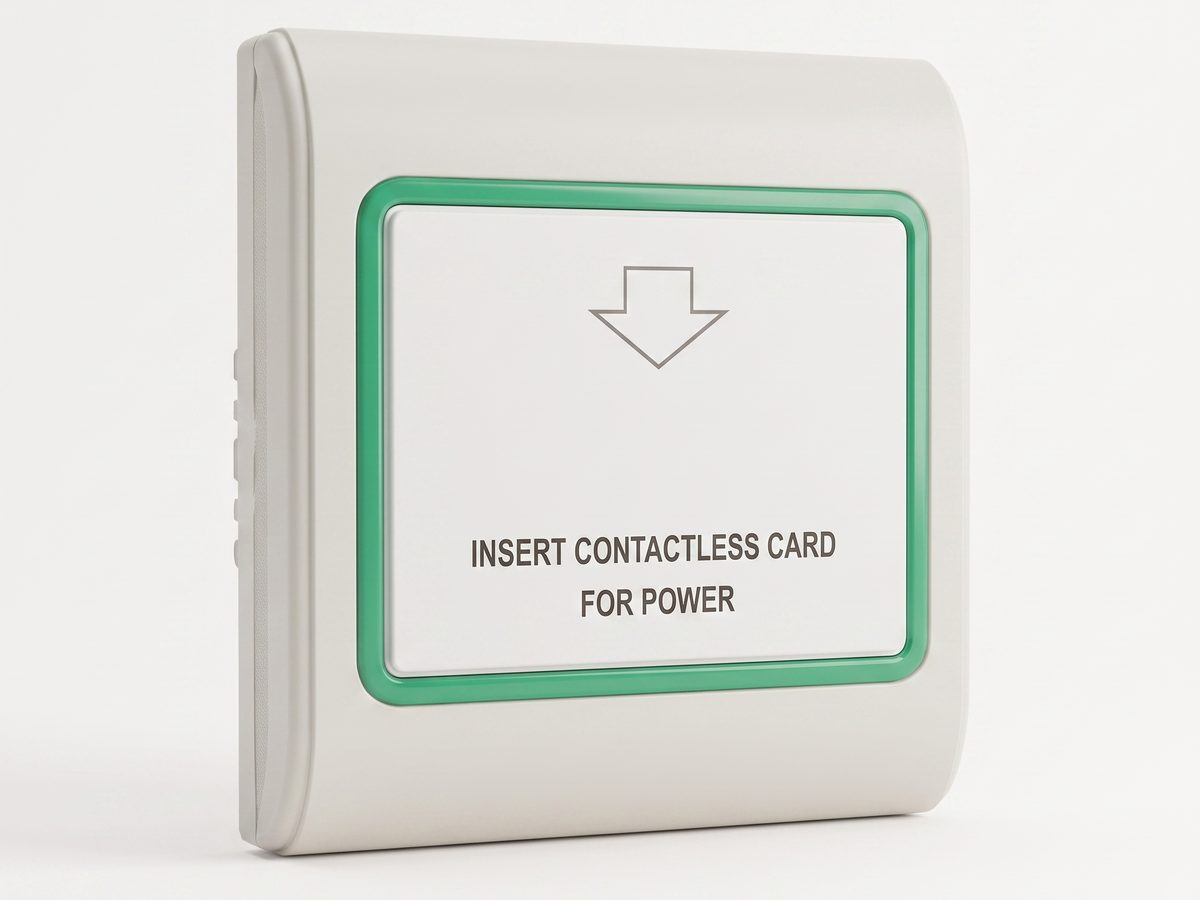
Interruptor de tarjeta inalámbrico — Batería o bus para hoteles
Interruptor inalámbrico para hoteles en reformas. Despertar baja frecuencia u opción RS485 inalámbrica, opción batería evita recableado, control energía habitación sin nuevos cables. CE RoHS. Proveedor OEM/ODM.
Esta página ya lo señala como la siguiente referencia recomendada.
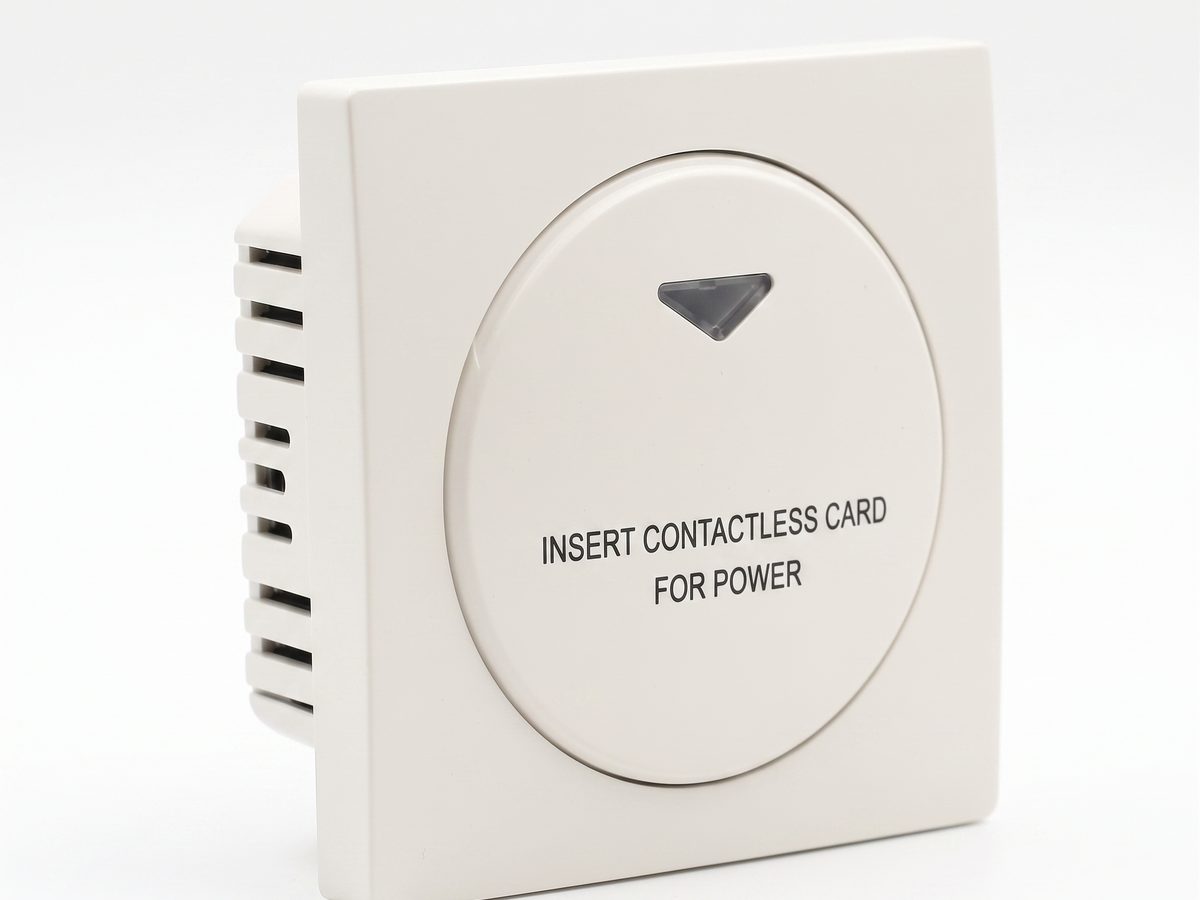
Interruptor de Tarjeta Hotel — Control Energía Habitación
Interruptor tarjeta hotel para control energía habitación. Detección RFID/IC, inserción-encendido, apagado retardado al retirar tarjeta. 220V CA, 10A-16A, RS485 o contacto seco. CE RoHS. Proveedor OEM/ODM.
Esta página ya lo señala como la siguiente referencia recomendada.
Soluciones relacionadas
3Sistema de Gestión de Habitaciones con Control por Tarjeta
Un sistema práctico de gestión de habitaciones para controlar la energía mediante interruptores de tarjeta, contactores y reglas operativas documentadas.
Respaldan el mismo contexto de producto: Interruptor de Tarjeta Hotel — Control Energía Habitación.
Ahorro energético hotelero con conmutación de energía en habitaciones
Solución de ahorro energético hotelero que usa conmutación de energía controlada por tarjeta para evitar que luces, aire acondicionado y enchufes seleccionados funcionen innecesariamente.
Respaldan el mismo contexto de producto: Interruptor de Tarjeta Hotel — Control Energía Habitación.
Control de Energía en Habitaciones con Interruptores de Tarjeta
Solución práctica de control de energía para iluminación, aire acondicionado y enchufes mediante tarjeta de habitación autorizada.
Respaldan el mismo contexto de producto: Interruptor de Tarjeta Hotel — Control Energía Habitación.
Artículos del blog relacionados
3
Interruptor de Tarjeta Hotel: Tipos, Modelos y Especificación
El interruptor de tarjeta para hotel incluye modelos universal, RFID, TTLOCK, BLE y ocupación. Guía sobre tipos, keycard switch y cómo especificar.
Respaldan el mismo contexto de producto: Interruptor de Tarjeta Hotel — Control Energía Habitación.
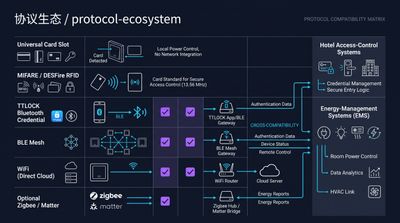
RFID vs NFC en interruptores de tarjeta llave de hotel: Qué elegir
RFID vs NFC en interruptores de tarjeta llave: alcance y bloqueo. RFID 125kHz/13.56MHz (MIFARE, Temic) es el estándar hotelero para energía en habitación…
Respaldan el mismo contexto de producto: Interruptor de Tarjeta Hotel — Control Energía Habitación.
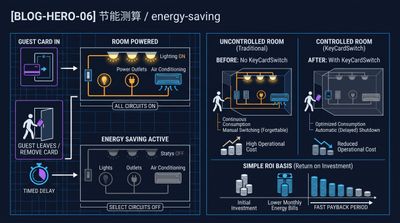
Interruptor de tarjeta llave de hotel: qué es y ahorro de energía
Un interruptor de tarjeta llave de hotel enciende la habitación al insertar la tarjeta y apaga al sacarla, ahorrando típicamente un 25-40% de electricidad.
Respaldan el mismo contexto de producto: Interruptor de Tarjeta Hotel — Control Energía Habitación.
Especifica tu proyecto hotelero con nuestros ingenieros
Envíanos el número de habitaciones, tipo de techo y preferencia de protocolo. Devolveremos un plan de muestra y cotización en 24 horas laborables.
- Pase de la guía general a una discusión de producto o aplicación.
- Use RFQ cuando precio, planos, MOQ o calendario de lanzamiento necesiten estructura.
- Mantenga visible una ruta de contacto directo para aclaraciones rápidas y traspasos.