مفتاح بطاقة فندقية لاسلكي مقابل سلكي: أيهما تختار لمشروعك؟
مقارنة بين مفتاح بطاقة فندقية لاسلكي وسلكي من حيث تعقيد التوصيل، سهولة التعديل، الموثوقية، مصدر الطاقة، التكلفة، زمن الاستجابة والتغطية. كيف تختار المفتاح المناسب.
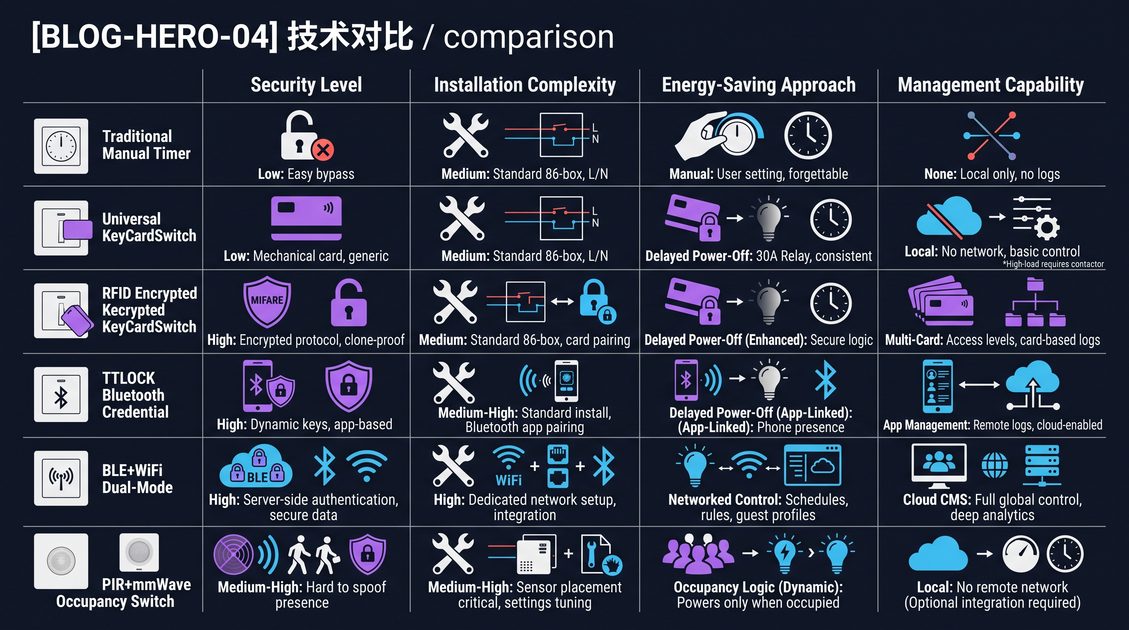
تركز مقارنة مفتاح بطاقة فندقية لاسلكي مقابل سلكي على كيفية إرسال المفتاح لإشارتيه الرئيسيتين، حالة إدخال البطاقة وأمر تشغيل الطاقة، مرة أخرى إلى أحمال الغرفة. ينقل مفتاح بطاقة فندقية سلكي هذه الإشارات عبر موصلات نحاسية تمتد من المفتاح إلى محول تلامس، أو وحدة مرحل، أو مباشرة إلى خط طاقة التيار المتردد الذي يغذي إضاءة الغرفة ومنافذها، مما يعني أن كل غرفة ضيوف تحتاج إلى مسار كابل خاص بها يتم سحبه عبر السقف، فوق عتبة الباب، أو داخل قناة توصيل. أما مفتاح بطاقة فندقية لاسلكي فيدمج جهاز إرسال واستقبال لاسلكي، عادةً في نطاق 433 ميجاهرتز، 868 ميجاهرتز، 915 ميجاهرتز أو 2.4 جيجاهرتز، يستيقظ على جدول تردد منخفض ويرسل تغيير الحالة إلى عقدة استقبال في مكان آخر في الغرفة، مما يزيل الحاجة إلى كابل إشارة مخصص يعود إلى نقطة توزيع الطاقة. يختلف النهجان في تعقيد توصيل التركيب، جدوى التعديل، الموثوقية طويلة المدى، كيفية تزويدهما بالطاقة، التكلفة الإجمالية للتركيب، والتغطية أو زمن الاستجابة اللذين يمكنهما ضمانهما. يقارن هذا الدليل هذه الأبعاد ويشرح كيفية اختيار المفتاح المناسب.
ما يعنيه مفتاح بطاقة فندقية لاسلكي مقابل سلكي لتوصيل التركيب
الفرق الجوهري في أي قرار مفتاح بطاقة فندقية لاسلكي مقابل سلكي هو كمية توصيل التركيب التي يتطلبها كل نهج في غرفة الضيوف. يتطلب مفتاح بطاقة مفتاحي سلكي مسار إشارة يربط جسديًا جسم المفتاح بنقطة تحكم طاقة الغرفة، لذا يجب على المثبت توجيه كابل واحد على الأقل من المفتاح، المثبت عادةً بجانب الباب داخل الغرفة، إلى نقطة التوزيع التي تتحكم في الإضاءة، المنافذ، ومكيف الهواء. في فندق مبني بالخرسانة، يمر المسار غالبًا عبر فراغ السقف، ينزل داخل تجويف الجدار بجانب إطار الباب، أو يمر على طول قناة توصيل مثبتة على السطح عندما تكون بنية المبنى صلبة ولا يمكن تشييدها بسهولة. تتكرر هذه العملية في كل غرفة، لذا فإن عقارًا مكونًا من 200 غرفة يضاعف طول الكابل، نقاط التثبيت، وساعات العمل بمائتين. في المقابل، لا يحتاج مفتاح بطاقة مفتاحي لاسلكي إلى كابل إشارة على الإطلاق: يثبت المثبت المفتاح على الحائط، يوصل مصدر طاقة محلي، ويسمح للرابط اللاسلكي بنقل الحالة مرة أخرى إلى مستقبل قريب أو إلى مشغل يعمل بالبطارية في نقطة التوزيع. هذا يقلص عمل التوصيل إلى جزء بسيط من الرقم السلكي، وهذا هو السبب في أن مشاريع التعديل في الفنادق العاملة، المباني المدرجة، والهياكل خفيفة الوزن تفضل غالبًا المسار اللاسلكي. بالنسبة للبناء الجديد حيث تكون الجدران والأسقف مفتوحة قبل التشطيبات، تكون تكلفة الكابل الإضافي للخيار السلكي منخفضة، ويصبح مسار الإشارة المستقر الذي يوفره العامل الحاسم. لذا يقرر بعد توصيل التركيب مرحلة المشروع التي يناسبها كل نوع مفتاح: سلكي للبناء من الصفر، لاسلكي لأعمال ترقية الإشغال حيث يكون فتح الجدران مزعجًا ومكلفًا.
تركيب سلكي وتعقيد توجيه الكابل
يتم بناء تركيب مفتاح بطاقة فندقية سلكي حول حلقة موصل مستمرة من المفتاح إلى جهاز تحكم الطاقة. يتضمن التوصيل النموذجي موصل فاز يتم تحويله، موصل محايد لدائرة المفتاح نفسها، ومخرج تحكم يقود ملف محول تلامس أو مرحل. نظرًا لأن المفتاح مثبت عاليًا بجانب الباب لمطابقة ارتفاع فتحة البطاقة، ونقطة التوزيع عادة ما تكون بالقرب من مدخل الغرفة أو في فراغ سقف فوق الحمام، فإن الكابل غالبًا ما يمر عبر تقاطعين على الأقل للجدار والسقف. يقدم كل تقاطع نقطة إنهاء، موقع فشل محتمل، ووقت تركيب إضافي. في فندق عامل، يجب على المثبت حماية الأسطح النهائية، تخطيط المسار لتجنب مسارات الكهرباء والبيانات الحالية، والتنسيق مع جدول التدبير المنزلي بحيث لا تبقى أي غرفة خارج الخدمة أطول من المخطط. يمكن أن يهيمن العمل البدني لسحب الكابل عبر سقف منتهي، مع نقاط سحب كل بضعة أمتار، على تكلفة ترقية المفتاح بالكامل. بالنسبة للغرف ذات جدران فاصلة خرسانية صلبة، قد تكون القناة السطحية هي المسار العملي الوحيد، وهذا يضيف أجهزة مرئية يجب على المالك قبولها. يرتفع تعقيد التوجيه بشكل حاد مع المسافة بين المفتاح ونقطة التوزيع ومع عدد الطوابق التي يخدمها لوحة مفاتيح واحدة، لذا يحتاج الحل السلكي إلى تنسيق دقيق بين مقاول الكهرباء وفريق التشطيب الداخلي.
تركيب لاسلكي وتثبيت بدون كابل
يزيل مفتاح بطاقة مفتاحي لاسلكي أطول وأغلى جزء في سلسلة التركيب، وهو كابل الإشارة العائد إلى نقطة التوزيع. يثبت المثبت المفتاح على الحائط بجانب الباب، يوصل المصدر المحلي، الذي يمكن أن يكون تغذية جهد منخفض أو حجرة بطارية حسب الموديل، ويضبط الرابط اللاسلكي إلى المستقبل. المستقبل، المثبت عادةً بالقرب من نقطة توزيع الطاقة أو داخل فراغ السقف، يغلق أو يفتح مرحلًا يتحكم في دوائر الإضاءة والمنافذ. نظرًا لعدم وجود موصل لتوجيهه عبر نسيج المبنى، يناسب الخيار اللاسلكي الغرف التي لا يمكن فتح جدرانها وأسقفها، حيث تمنع لوائح التراث أو الحريق التشيد، أو حيث يجب أن تتم ترقية الإشغال دون إخلاء الضيف. يتواصل المفتاح عبر جدول استيقاظ منخفض التردد، نائمًا معظم الوقت ومستيقظًا فقط لنقل تغيير الحالة، مما يحافظ على عمر البطارية في نطاق عدة سنوات ويحافظ على حركة الراديو منخفضة بما يكفي لتجنب التداخل بين الغرف. يؤدي إلغاء مسارات الكابلات أيضًا إلى تقصير متوسط وقت التركيب لكل غرفة من ساعات إلى دقائق، وهو ما يهم مالك العقار الذي يريد تحويل كتلة غرف كبيرة خلال نافذة صيانة واحدة. المقايضة هي أنه يجب التخطيط بعناية للرابط اللاسلكي، وموضع المستقبل، والمصدر داخل الغرفة بحيث يكون المسار اللاسلكي موثوقًا عبر كل غرفة في العقار.
مفتاح بطاقة فندقية لاسلكي مقابل سلكي في سيناريوهات التعديل والتجديد
عمل التعديل، حيث يعمل الفندق بالفعل والغرف قيد الاستخدام اليومي، هو السيناريو الذي يكون لاختيار مفتاح بطاقة فندقية لاسلكي مقابل سلكي أقوى عواقب عملية. في التعديل، غرف الضيوف منتهية، الأسقف مغلقة، الجدران مزخرفة، ولا يمكن للعقار تحمل إغلاقات طويلة. يعني تركيب مفتاح بطاقة مفتاحي سلكي في مبنى مشغول إزعاج تلك الأسطح النهائية لتمرير كابل جديد، وفي كثير من الحالات يعني إخراج كل غرفة من الخدمة ليوم أو أكثر. لذلك تشمل تكلفة التعديل السلكي ليس فقط المواد والعمالة بل أيضًا إيرادات الغرفة المفقودة أثناء الإغلاق، وغالبًا ما تتجاوز هذه التكلفة غير المباشرة سعر الأجهزة عدة مرات. يقلب مفتاح بطاقة مفتاحي لاسلكي الاقتصاد: يكمل المثبت كل غرفة في جزء بسيط من الوقت، يمكن أن تظل غرفة الضيوف قابلة للحجز في نفس اليوم، ويبقى نسيج المبنى سليمًا. لأن المفتاح اللاسلكي يحتاج فقط إلى مصدر محلي وخطوة تشغيل قصيرة، يمكن لطاقم صغير تحويل عشرات الغرف في فترة صيانة واحدة. يغطي سيناريو التعديل أيضًا العقارات التي يستبعد نسيج مبنىها التوصيل، مثل فنادق التراث ذات التصميمات الداخلية المحمية، هياكل الأخشاب أو الفواصل خفيفة الوزن، والمباني المؤجرة حيث لن يوافق المالك على مسارات كابلات هيكلية دائمة. بالنسبة لهذه المواقع، المفتاح اللاسلكي ليس مجرد أرخص، بل هو الخيار الوحيد الممكن. عند اتخاذ القرار للتعديل، يجب على فريق العقار تدقيق كل غرفة لتغطية المستقبل، توفر الطاقة في موقع المفتاح، وتخطيط الغرفة الذي قد يحجب مسار الراديو، لأن هذه تحدد ما إذا كان النشر اللاسلكي ينجح على نطاق واسع.
تعديل فندق عامل دون إغلاق الغرف
يتوقع فندق عامل إيرادات مستمرة من كل غرفة، لذا تفوز طريقة التعديل التي تغلق أقل عدد من الغرف. مع مفتاح بطاقة مفتاحي سلكي، يتطلب مسار الكابل دائمًا نقل ممتلكات الضيف، العمل فوق السقف، وترك الغرفة غير قابلة للتأجير أثناء العمل. حتى التركيب السلكي السريع يستغرق عدة ساعات لكل غرفة، وقد تحتاج الغرفة ليلة للاستقرار قبل إعادة بيعها. يناسب مفتاح بطاقة مفتاحي لاسلكي نافذة التدبير المنزلي العادية: يستبدل الفني المفتاح الحالي أو يثبت واحدًا جديدًا، يوصل المصدر، يربط الرابط اللاسلكي بالمستقبل، ويتحقق من استجابة الإضاءة والمنافذ. يمكن أن تعود الغرفة للمخزون في نفس اليوم. يتضاعف هذا الفرق عبر العقار: يمكن إنجاز تعديل 100 غرفة لاسلكيًا في أسبوع واحد بفنيين اثنين، بينما قد يستغرق نفس العمل بمسارات الكابلات عدة أسابيع ويعطل توفر الحجز طوال الوقت. يجب على العقار أيضًا موازنة تكلفة تلف المبنى وإعادة تزيين كل جدار مشيد، حيث يضيف كل قطع، حشو، وطلاء سطح عمالة تشطيب وإصلاح مرئي. يحافظ التعديل اللاسلكي على التشطيبات، يحمي تجربة الضيف، ويحافظ على تدفق الإيرادات سليمًا، وهذا هو السبب في أن ترقيات الإشغال في الفنادق العاملة تختار غالبًا المسار اللاسلكي.
مباني التراث، خفيفة الوزن، والمقيدة هيكلًا
تجعل أنواع معينة من المباني التركيب السلكي غير عملي أو مستحيل، وهذه هي أوضح حالات استخدام اللاسلكي في المقارنة. تحظر فنادق التراث ذات التصميمات الداخلية المحمية غالبًا تشييد الجدران أو تمرير قنوات مرئية، ويمكن أن تستغرق عملية الموافقة على أي تغيير هيكلي شهورًا. المباني خفيفة الوزن التي تستخدم إطارات خشبية، فواصل جدار جاف، أو ألواح فولاذية مطلية لا تمسك الكابل المشيد جيدًا، وتمرير القناة السطحية يضر بالجماليات التي يتوقعها الضيوف. المباني المؤجرة حيث لن يسمح المالك بمسارات كابلات دائمة عبر الهيكل تستبعد الخيار السلكي تمامًا. بالنسبة لجميع هذه، يوفر مفتاح بطاقة مفتاحي لاسلكي وظيفة توفير الطاقة والتحكم في الوصول دون تعديل نسيج المبنى، لذا يصبح المفتاح التوصية القياسية. يثبت المثبت المستقبل في فراغ السقف أو بجانب لوحة التوزيع الحالية، يغذيه من الدائرة الحالية، ويسمح للمفتاح اللاسلكي بالإبلاغ عن حالة البطاقة عبر الغرفة. لأن الإشارة تمر عبر الجدار الجاف والعديد من المواد خفيفة الوزن بفقدان منخفض، يكون المسار اللاسلكي موثوقًا بالضبط في الهياكل التي يكون فيها تمرير الكابلات أصعب. قرار التعديل في هذه المباني ليس مقارنة وثيقة على الإطلاق: يتم استبعاد الخيار السلكي لأسباب هيكلية، ويصبح الخيار اللاسلكي الخيار العملي الافتراضي.
موثوقية واستقرار إشارة مفتاح بطاقة فندقية لاسلكي مقابل سلكي
الموثوقية طويلة المدى هي البعد الذي تتبادل فيه نوعا المفتاح نقاط القوة، وتشكل كل اختيار مفتاح بطاقة فندقية لاسلكي مقابل سلكي للعقارات التي لا يمكنها تحمل انقطاع الغرف. يوفر مفتاح بطاقة مفتاحي سلكي أعلى استقرار ممكن للإشارة لأن الحالة تنقل عبر موصل مستمر بدون مسار راديو ليتدهور، لذا فإن استجابة المفتاح للحمل فورية وغير متأثرة بالجدران، التداخل، أو المسافة داخل الغرفة. نقاط فشله هي الإنهاءات الفيزيائية، تلامسات المرحل أو محول التلامس، وعزل الكابل، وكلها حتمية وسهلة لتشخيص الكهربائي. يزيل مفتاح بطاقة مفتاحي لاسلكي تلك الكابلات لكنه يقدم رابطًا لاسلكيًا يجب أن يظل موثوقًا عبر الجدران، الأثاث المعدني، والقنوات المجاورة، لذا يجب أن يعوض تصميمه بهامش رابط قوي، بروتوكول استيقاظ منخفض الطاقة، وبنية مستقبل تؤكد التسليم وتعيد المحاولة عند الفشل. في الممارسة، يحقق مفتاح لاسلكي جيد التصميم موثوقية عالية جدًا على مدى عمر بطاريته أو طاقته لأن المسافة داخل غرفة ضيوف واحدة قصيرة، الإرسال يتكرر حتى يتم الاعتراف به، والمستقبل مثبت في موضع بمسار واضح. لذا تتلخص المقارنة في طبيعة المخاطر: يفشل الرابط السلكي نادرًا لكن فشله قد يكون كثيف العمالة للتتبع، بينما يمكن أن يتأثر الرابط اللاسلكي من حيث المبدأ بتغيير تخطيط الغرفة أو جهاز متداخل، لكنه يفشل دون أي عمل كابلات لأن المثبت يستبدل أو يعيد تموضع عقدة ببساطة. يجب على فريق الصيانة مطابقة نوع المفتاح المختار مع هيكل المبنى، حجم الغرفة، وحالة التوصيل، لأن مفتاحًا موثوقًا في عقار واحد يمكن أن يكون عبئًا في آخر إذا كان مسار الراديو أو مسار الكابل ضعيفًا.
مسار إشارة سلكي وسلوك حتمي
يتصرف مفتاح بطاقة مفتاحي سلكي بشكل حتمي لأن كل تغيير حالة ينتقل عبر موصل بمقاومة ثابتة، والاستجابة عند المرحل متزامنة جوهريًا مع إدخال البطاقة. يمكن للمثبت التحقق من المسار باستخدام مقياس الاستمرارية، ويتم العثور على أي عطل بفحص الإنهاءات بالترتيب، وهو إجراء قياسي لأي كهربائي. هذا الحتمية قيمة في الغرف حيث سيؤدي تشغيل الطاقة المتأخر إلى إزعاج الضيف، مثل ضوء الممر أو شفاط الحمام الذي يجب أن يعمل في اللحظة التي تدخل فيها البطاقة. النهج السلكي أيضًا محصن ضد تداخل الراديو الذي يمكن أن يؤثر أحيانًا على عقدة لاسلكية في تركيب كثيف، ولا يعتمد على حالة البطارية أو على المستقبل كونه في النطاق، لأن المستقبل والمفتاح هما نفس الجهاز أو زوج سلكي صلب. المقايضة هي أن السلوك الحتمي يعتمد بالكامل على سلامة الكابل وإنهاءاته، وفي مبنى قديم قد يكون التوصيل الحالي متعبًا، قد تتآكل الإنهاءات، أو قد يكون المسار تضرر من تعديل سابق. لعقار جديد أو معاد توصيله، المسار السلكي هو أقوى ضمان للموثوقية، وهذا هو السبب في أن الخيار السلكي يظل الافتراضي للبناء الجديد وللعقارات التي تتطلب أقل زمن استجابة ممكن للمفتاح للحمل.
رابط لاسلكي منخفض الطاقة وتسليم معترف به
يحقق مفتاح بطاقة مفتاحي لاسلكي الموثوقية من خلال بروتوكول راديو مصمم لحياة البطارية والطاقة. يقضي المفتاح معظم وقته في حالة نوم منخفضة الطاقة ويستيقظ على جدول تردد منخفض، عادةً كل بضع مئات من المللي ثانية، للاستماع لأمر أو لنقل تغيير حالة عند إدخال البطاقة أو إزالتها. لأن المسافة داخل غرفة ضيوف قصيرة، يكون هامش الرابط عاليًا والإشارة معترف بها من المستقبل، لذا يتم إعادة إرسال الإطار المفقود حتى يتم تأكيده، مما يزيل خطر حدث تشغيل طاقة مفقود. المستقبل، المثبت في نقطة التوزيع، يفك تشفير الرسالة ويقود المرحل، ويمكن تزويده بالطاقة من المصدر الحالي بحيث لا تحد بطاريته الخاصة من التركيب. يحافظ البروتوكول على حركة الراديو منخفضة، مما يقلل فرصة التصادم بين الغرف المجاورة، ويتم اختيار نطاق التشغيل للبيئة التنظيمية المحلية، مع شيوع 433 ميجاهرتز و 868 ميجاهرتز في كثير من العالم و 915 ميجاهرتز في أجزاء من الأمريكتين، لذا يتمتع المسار باختراق قوي عبر الجدران الداخلية القياسية. يعطي تصميم التسليم المعترف به والمسافة القصيرة داخل الغرفة معًا لمفتاح لاسلكي محدد جيدًا ملف موثوقية يلبي متطلبات العقار التجاري، ويمكن التعامل مع أي تغيير مستقبلي، مثل فاصل معدني جديد أو تخطيط أثاث مختلف، عن طريق إعادة تموضع عقدة بدلاً من إعادة التوصيل.
مصدر الطاقة وسلوك الطاقة لمفتاح بطاقة فندقية لاسلكي مقابل سلكي
الطريقة التي يتم بها تزويد كل نوع مفتاح بالطاقة هي قيد عملي يزن المشتري مبكرًا في أي تقييم مفتاح بطاقة فندقية لاسلكي مقابل سلكي. يتم تزويد مفتاح بطاقة فندقية سلكي بالطاقة من تيار متردد رئيسي للغرفة، إما مباشرة من الدائرة المحولة أو من مصدر جهد منخفض مشتق منها، لذا لديه مصدر طاقة فعال غير محدود ولا يحتاج إلى صيانة بطارية. يستهلك المفتاح نفسه كمية صغيرة من الطاقة تساهم في الحمل الخامل للغرفة، ولكن لأنه جزء من الدائرة الخاضعة لل控制، فإنه يسحب فقط عندما تكون الغرفة قيد الاستخدام أو في حالة استعداد منخفضة. يمكن تزويد مفتاح بطاقة فندقية لاسلكي بالطريقتين: من مصدر جهد منخفض محلي، عادةً محول تيار متردد صغير أو تغذية منظمة مستمدة من دائرة إضاءة الغرفة، أو من بطاريات داخلية عندما تكون تركيبة لاسلكية تمامًا مطلوبة. مفاتيح لاسلكية تعمل بالبطارية مصممة لتعمل لسنوات على جدول استيقاظ منخفض التردد، مع نوم الراديو بين الإرسال، لكن البطارية مورد محدود يجب على فريق الصيانة تتبعه واستبداله في النهاية. مفاتيح لاسلكية مزودة بالطاقة تزيل قلق البطارية لكنها لا تزال تتطلب مصدرًا صغيرًا في موقع المفتاح، والذي عادة ما يكون بسيطًا لتوفيره لأن مدخل الغرفة به توصيل موجود. يؤثر سلوك الطاقة أيضًا على طريقة التبديل: كلا النوعين عادة ما يقودان مرحلًا أو محول تلامس يتحكم في أحمال الغرفة، وتأتي فائدة توفير الطاقة من قطع الطاقة عن الإضاءة، المنافذ، ومكيف الهواء عند إزالة البطاقة، بغض النظر عن نوع الرابط. لا ينبغي تحديد أي نهج بوعد بنسبة توفير طاقة ثابتة، لأن التوفير الحقيقي يعتمد على نمط إشغال الغرفة والأحمال المثبتة.
مصدر تيار رئيسي سلكي وصيانة منخفضة
يسحب مفتاح بطاقة مفتاحي سلكي طاقته التشغيلية من التيار الرئيسي للغرفة، لذا لا يحتاج أبدًا إلى استبدال بطارية ويمكن تركه في الخدمة لحياة التشطيب. لأن المفتاح موصول سلكيًا في الدائرة الخاضعة لل控制، لا يحتاج المثبت إلى تخطيط نقطة مصدر منفصلة، ويمكن للموصل نفسه الذي يحمل فاز المحول أن يوفر مصدر المنطق عبر مرحلة طاقة داخلية. هذا يزيل فئة كاملة من مهام الصيانة، حيث لا توجد خلية للتبديل ولا دائرة شحن للفحص. يوفر المفتاح السلكي أيضًا وظيفة صغيرة لكنها مفيدة وهي أن حالته تظل متزامنة مع التيار الرئيسي، لذا يتم التعامل مع انقطاع طاقة يعيد تعيين المفتاح بإعادة تشغيل عادية بدلاً من بطارية مستنفدة. تكلفة هذه البساطة هي أن المفتاح السلكي يجب أن يصل إليه موصل مصدر، وهو بالضبط الكابل الذي يحاول مشروع التعديل تجنبه. للبناء الجديد أو غرفة معاد توصيلها، المصدر الرئيسي مجاني، وتصبح الصيانة المنخفضة للخيار السلكي ميزة تشغيلية حقيقية على حياة الغرفة.
متغيرات لاسلكية تعمل بالبطارية ومزودة بالطاقة
يقدم مفتاح بطاقة مفتاحي لاسلكي للمثبت خيارًا بين تشغيل البطارية ومصدر جهد منخفض محلي، وهذا الخيار يؤثر على خطة الصيانة. متغير البطارية هو الأكثر جاذبية لأصعب مواقع التعديل لأنه لا يحتاج إلى موصل على الإطلاق في المفتاح، وجدول الاستيقاظ منخفض التردد يحافظ على الاستهلاك منخفضًا بما يكفي لحياة خلية متعددة السنوات. يجب على فريق الصيانة الاحتفاظ بمخزون من الخلايا الصحيحة وجدولة استبدال دوري، ولكن لأن المفتاح يبلغ عن حالته والمستقبل يمكن أن يشير إلى بطارية ضعيفة، يمكن التخطيط للاستبدال بدلاً من أن يكون تفاعليًا. متغير لاسلكي مزود بالطاقة يزيل قلق البطارية بتغذية المفتاح من مصدر منظم صغير مستمد من إضاءة الغرفة الحالية، لذا يحتفظ التركيب بميزة التعديل بدون كابل مع إلغاء خدمة البطارية الدورية. في كلا المتغيرين، يقود المفتاح أحمال الغرفة عبر مرحل في المستقبل، لذا يظل التبديل عالي التيار في نقطة التوزيع والمفتاح اللاسلكي نفسه يتعامل فقط مع إشارة التحكم منخفضة الطاقة. يجب على المشترين تأكيد استهلاك الاستعداد للمتغير المزود بالطاقة وحياة البطارية المعلنة للمتغير العامل بالبطارية، لأن هذه القيم، لا ادعاءات التسويق، تحدد تكلفة التشغيل وفترة الخدمة للعقار.
مقارنة تكلفة مفتاح بطاقة فندقية لاسلكي مقابل سلكي
التكلفة الإجمالية غالبًا ما تكون العامل الحاسم، ومقارنة تكلفة مناسبة لمفتاح بطاقة فندقية لاسلكي مقابل سلكي يجب أن تنظر إلى ما وراء سعر الوحدة إلى التكلفة المركبة عبر العقار بالكامل. سعر وحدة مفتاح بطاقة مفتاحي سلكي عادة ما يكون أقل من موديل لاسلكي قابل للمقارنة، لأن المفتاح السلكي لا يحتوي على وحدة راديو ولا عقدة مستقبل. لكن تكلفة التركيب المركبة للخيار السلكي تشمل الكابل، القنوات أو القنوات، عمالة الإنهاء، إعادة تزيين أي أسطح مشيدة، وفي التعديل إيرادات الغرفة المفقودة أثناء الإغلاق، وهذه العناصر عادة ما تتجاوز توفير الأجهزة بهامش واسع. يحمل الخيار اللاسلكي تكلفة أجهزة أعلى لكل غرفة، للمفتاح والمستقبل، لكنه يلغي تقريبًا الكابل، القنوات، وإصلاحات السطح، ويقلص وقت العمالة لكل غرفة بشكل حاد، لذا فإن التكلفة المركبة الإجمالية لتعديل لاسلكي غالبًا ما تكون أقل من المكافئ السلكي. للبناء الجديد، ينعكس الحساب لأن الكابلات تركب قبل التشطيبات وتكون التكلفة الحدية لمسار إضافي صغيرة، لذا يمكن أن يجعل سعر الأجهزة الأقل للمفتاح السلكي إجماله أرخص. تشمل المقارنة أيضًا تكلفة التشغيل على حياة المفتاح: الخيار السلكي لا يحتوي على بطارية، بينما مفتاح لاسلكي يعمل بالبطارية يحتاج خلايا دورية، رغم أن متغير لاسلكي مزود بالطاقة يتجنب هذا البند. يجب على المشتري بناء جدول بسعر الأجهزة، الكابل والإكسسوارات، العمالة لكل غرفة، إصلاح السطح، تأثير الإغلاق، وخدمة دورة الحياة، وتطبيقه على عدد الغرف في العقار للوصول إلى قرار عادل.
تكلفة الأجهزة، الكابل، والعمالة لكل غرفة
التكلفة لكل غرفة هي الرقم الذي يمكن لفريق المشتريات مقارنته مباشرة. لمفتاح بطاقة مفتاحي سلكي، الأجهزة متواضعة لكن الكابل والإكسسوارات تضيف، مع عدة أمتار من الموصل، مشابك حائط أو قنوات، ومواد إنهاء لكل غرفة، والعمالة هي العنصر المهيمن لأن المسار يجب أن يخطط، يسحب، ينهي، ويختبر. في التعديل تضيف إصلاحات السطح وتأثير الإغلاق تكلفة غير مباشرة إضافية. لمفتاح بطاقة مفتاحي لاسلكي، تشمل الأجهزة المفتاح ومستقبله، مما يرفع رقم الوحدة، لكن العمالة جزء صغير من القيمة السلكية لأن لا كابل للسحب، ولا إصلاح سطح أو عقوبة إغلاق. عبر كتلة مائة غرفة، الفرق في إجمالي ساعات العمالة هو الرافعة الرئيسية على الفاتورة النهائية، وفي العديد من الأسواق يقرر أي الخيارين أرخص. قاعدة عملية هي أن الخيار اللاسلكي يفوز بمقارنة التكلفة في التعديل وعمليات النشر متعددة الطوابق، بينما يفوز الخيار السلكي في البناء الجديد وفي تجديدات الغرف الصغيرة المفردة حيث يكون مسار الكابل قصيرًا.
تكلفة دورة الحياة والصيانة
ما بعد التركيب الأول، تشمل صورة التكلفة الصيانة التي تبقي المفتاح يعمل لحياة الغرفة. مفتاح بطاقة مفتاحي سلكي لا يحتوي على بطارية ولا راديو للخدمة، لذا تتركز تكلفة دورة حياته في الأعطال الحتمية للإنهاءات وتلامسات المرحل، التي يمكن للكهربائي تشخيصها بسرعة. مفتاح لاسلكي يعمل بالبطارية يضيف بندًا متكررًا للخلايا وعمالة الاستبدال، الموزعة على حياة البطارية متعددة السنوات، ويجب على العقار الاحتفاظ بقطع غيار وتتبع جدول الاستبدال. مفتاح لاسلكي مزود بالطاقة يزيل تكلفة البطارية لكن يحتفظ بعقدة المستقبل كنقطة خدمة يجب أن تظل سليمة. يجب على فريق الصيانة موازنة التكلفة الروتينية المنخفضة للخيار السلكي ضد ميزة عدم التوصيل للخيار اللاسلكي، ويجب ملاحظة أن متغير لاسلكي مزود بالطاقة يوفر معظم فائدة التركيب اللاسلكي مع تكلفة دورة حياة قريبة من الرقم السلكي. لعقار يخطط لحياة تشغيلية عشر سنوات، يمكن أن يكون بند دورة الحياة مهمًا مثل بند التركيب الأول، لذا يجب نمذجة كلاهما معًا.
زمن الاستجابة، التغطية، ونطاق التحكم لمفتاح بطاقة فندقية لاسلكي مقابل سلكي
يختلف سلوك التحكم بين نوعي المفتاح في زمن استجابة المفتاح للحمل، التغطية التي يمكنهما توفيرها، ونطاق ما يتحكمان فيه، وكلها تهم تجربة الغرفة. يستجيب مفتاح بطاقة فندقية سلكي للبطاقة بشكل فوري تقريبًا لأن الإشارة تنتقل عبر موصل، لذا تعمل الإضاءة ومكيف الهواء في اللحظة التي تدخل فيها البطاقة، وتقطع الغرفة الطاقة في اللحظة التي تزال فيها البطاقة. زمن الاستجابة المنخفض هذا مريح للضيوف ويدعم سلوكًا سريعًا مثل ضوء الممر الذي يجب أن يضيء فورًا. يقدم مفتاح بطاقة فندقية لاسلكي تأخير إرسال صغيرًا في حدود فاصل الاستيقاظ، عادةً جزء من ثانية، لأن المفتاح يجب أن يستيقظ، يرسل، ويستقبل اعترافًا قبل أن يعمل المرحل، وتصميم جيد الضبط يحافظ على هذا التأخير صغيرًا بما يكفي ألا يلاحظه الضيف. تغطية النظام السلكي فعليًا غير محدودة داخل العقار لأن كل غرفة لها موصل خاص بها ولا توجد قناة راديو مشتركة للتشبع. تغطية النظام اللاسلكي تعتمد على موضع المستقبل وخطة الراديو، ولكن لأن كل غرفة لها مستقبلها الخاص يكون حمل القناة منخفضًا والتغطية موثوقة. يختلف نطاق التحكم أيضًا في المرونة: المفتاح السلكي يتحكم في الأحمال عبر مخرجه الثابت، بينما يمكن للمفتاح اللاسلكي توجيه حالته إلى مستقبل يتحكم في أحمال الغرفة، وفي بعض الموديلات، مجموعة من المخرجات القابلة للتهيئة، مما يعطي فريق الهندسة حرية تخطيط أكبر عندما تكون أحمال الغرفة موزعة.
استجابة المفتاح للحمل وتجربة الضيف
وقت الاستجابة يشكل تجربة الضيف عند الباب. مع مفتاح سلكي، يعمل الحمل في لحظة إدخال البطاقة، وهو السلوك الذي يتوقعه الضيف عند دخول غرفة مظلمة والبحث عن مفتاح الإضاءة. مع مفتاح لاسلكي، يحدث نفس الحدث بعد دورة الاستيقاظ والإرسال القصيرة، وفي تصميم جيد هذا جزء من ثانية، لذا التجربة العملية متطابقة تقريبًا. يجب على فريق الهندسة تأكيد وقت الاستجابة المعلن للموديل اللاسلكي وعدم قبول تصميم بفاصل استطلاع طويل، لأن تأخيرًا يزيد عن ثانية يجعل الغرفة تبدو غير مستجيبة. تؤثر استجابة المفتاح للحمل أيضًا على سلوك إيقاف التشغيل، حيث يجب أن تقطع أحمال الغرفة بسرعة عند إزالة البطاقة لتقديم توفير الطاقة دون ترك الأضواء مشتعلة. يمكن تكوين كلا نوعي المفتاح لتأخير قصير عند الإزالة حتى لا يعيد ضاغط مكيف الهواء التشغيل بسرعة كبيرة، لكن القطع الأساسي للطاقة يجب أن يكون فوريًا. يجب على المشترين معاملة وقت الاستجابة كمواصفة للتحقق، لا كافتراض، وتفضيل موديل لاسلكي يوضح فاصل استيقاظه ووقت استجابة مرحلته في ورقة البيانات.
التغطية، المدى، وتخطيط القناة
تختلف تخطيطات التغطية والمدى بين النوعين. مفتاح سلكي لا يوجد مدى راديو لتخطيطه، لأن كل غرفة مستقلة بذاتها على موصلها الخاص، لذا يمكن توصيل عقار بأي حجم دون القلق بشأن تشبع القناة أو التداخل بين الطوابق. مفتاح لاسلكي يحتاج خطة راديو: يجب وضع المستقبل في نطاق المفتاح، يجب أن يناسب النطاق اللوائح المحلية ومواد البناء، ويجب أن يحافظ البروتوكول منخفض التردد على القناة واضحة حتى تتمكن العديد من الغرف من مشاركة نفس التردد دون تصادم. لأن كل غرفة عادة ما يكون لها مستقبلها الخاص، تكون التغطية العملية لكل غرفة، ويجب على المثبت ضمان أن المستقبل له مسار واضح عبر عتبة الباب وفراغ السقف. تصميم الاستيقاظ منخفض التردد يحافظ على إرسال كل غرفة قصيرًا ونادرًا، مما يسمح لطابق كثيف بالعمل على قناة مشتركة. يجب على فريق الهندسة اختبار مسار الراديو في غرف تمثيلية، بما في ذلك الغرف الزاوية والغرف ذات الفواصل المعدنية، قبل الالتزام بالعقار بالكامل، لأن التحقق من التغطية هو مهمة التخطيط الرئيسية الفريدة للخيار اللاسلكي.
مفتاح بطاقة فندقية لاسلكي مقابل سلكي: كيف تختار الخيار المناسب
بجمع الأبعاد معًا، يتم تحديد الاختيار بين مفتاح بطاقة فندقية لاسلكي وسلكي بمرحلة المشروع، هيكل المبنى، والقيود التشغيلية، وللعقارات الكبيرة غالبًا ما يكون النشر الهجين هو أفضل إجابة. اختر مفتاح بطاقة مفتاحي سلكي للبناء الجديد، مشاريع إعادة التوصيل، والغرف حيث تهم أقل زمن استجابة وأعلى موثوقية حتمية، لأن تكلفة الكابل منخفضة عندما يكون المبنى مفتوحًا والمسار السلكي هو أقوى ضمان. اختر مفتاح بطاقة مفتاحي لاسلكي لتعديل فندق عامل، مباني التراث أو خفيفة الوزن، الغرف التي لا يمكن إغلاقها، وأي مشروع حيث يجب أن يبقى نسيج المبنى سليمًا، لأن التركيب بدون كابل أسرع، أرخص، وأقل إزعاجًا. لعقار كبير يجمع أنواع مباني، انشر حلًا هجينًا: شغّل مفاتيح سلكية في الأجنحة التي يتم إعادة توصيلها أو بناؤها حديثًا، ومفاتيح لاسلكية في الأجنحة المشغولة ومناطق الهيكل المقيد، بحيث تستخدم كل غرفة الخيار الأكثر اقتصادًا وموثوقية المتاح. في كل حالة، تحقق من المواصفات التي يعتمد عليها القرار، وقت الاستجابة، حياة البطارية أو متطلب المصدر، النطاق التنظيمي، وتغطية المستقبل، وتحقق من الاختيار في غرفة تجريبية قبل التوسع للكتلة الكاملة. يتم توفير جدول قرار أدناه لتلخيص منطق الاختيار للمشتري وفريق الهندسة.
| عامل القرار | مفتاح بطاقة مفتاحي سلكي | مفتاح بطاقة مفتاحي لاسلكي |
|---|---|---|
| توصيل التركيب | مسار كابل كامل لنقطة التوزيع | لا كابل إشارة، مصدر محلي فقط |
| تعديل فندق عامل | مزعج، يغلق الغرف | سريع، الغرفة تعود في نفس اليوم |
| بناء جديد | تكلفة كابل حدية منخفضة، موصى به | اختياري، عادة أجهزة أغلى |
| موثوقية الإشارة | حتمية، لا مسار راديو | عالية، رابط منخفض الطاقة معترف به |
| زمن استجابة المفتاح للحمل | شبه فوري | تأخير استيقاظ وإرسال قصير |
| مصدر الطاقة | تيار رئيسي للغرفة، لا بطارية | بطارية أو مصدر جهد منخفض محلي |
| تكلفة التركيب الإجمالية | أجهزة أقل، تركيب أعلى في التعديل | أجهزة أعلى، تركيب أقل في التعديل |
| الصيانة | لا خدمة بطارية | خدمة بطارية أو متغير مزود بالطاقة |
| التغطية | موصلات غير محدودة لكل غرفة | مستقبل لكل غرفة، خطة راديو مطلوبة |
| أفضل سيناريو | بناء جديد، إعادة توصيل، طلب زمن استجابة منخفض | تعديل، تراث، هيكل مقيد |
اتخاذ القرار بمواصفات وغرفة تجريبية
يبدأ اختيار منضبط بمواصفات مكتوبة تحدد وقت الاستجابة، مصدر الطاقة، النطاق التنظيمي، تصنيف المرحل، وطريقة تحكم أحمال الغرفة، ثم تقارن الموديلات اللاسلكية والسلكية المرشحة ضدها. تزيل المواصفات خطر الاختيار بالسعر وحده وتعطي المشتري أساسًا ملموسًا للتجربة. تتحقق الغرفة التجريبية من الافتراضات في ظروف حقيقية: يكمل المثبت غرفة واحدة بكل مفتاح مرشح، يقيس وقت المفتاح للحمل، يتحقق من تغطية المستقبل من مواضع التثبيت الفعلية، ويؤكد تجربة التدبير المنزلي والضيف. تغذي نتائج التجربة نموذج التكلفة والموثوقية قبل أن يلتزم العقار بالنشر الكامل. بالنسبة لمعظم مشاريع التعديل، ستؤكد التجربة أن مفتاح لاسلكي يلبي شريط الاستجابة والموثوقية مع تقديم توفير التركيب، وللبناء الجديد ستؤكد التجربة أن المفتاح السلكي يوفر أقل تكلفة مع أقوى حتمية. بالاختبار قبل التوسع، يتجنب المشتري التزام عقار كبير بنوع مفتاح بدا جيدًا على الورق لكنه لا يصمد في الغرف الحقيقية.
مفتاح بطاقة فندقية لاسلكي مقابل سلكي: مطابقة المفتاح للمشروع
قرار مفتاح بطاقة فندقية لاسلكي مقابل سلكي ليس حول أي التكنولوجيا أفضل موضوعيًا، بل حول أيهما يطابق المشروع المحدد. تقدم المفاتيح السلكية أقوى حتمية، أقل زمن استجابة، وحياة طويلة منخفضة الصيانة، وتلمع في البناء الجديد وإعادة التوصيل حيث تكلفة الكابل صغيرة. تقدم المفاتيح اللاسلكية تعديلًا بدون كابل يحافظ على نسيج المبنى، يبقي الغرف العاملة مفتوحة، ويصل إلى المواقع التي يكون فيها التوصيل مستحيلًا، وتلمع في ترقيات الإشغال، مباني التراث، والفنادق المشغولة. يمكن لعقار يفهم مزيج أنواع مبانيه حتى نشر كلاهما، باستخدام سلكي في الأجنحة الجديدة ولاسلكي في أجنحة التعديل، والتقاط أفضل ما في كل منهما. أيًا كان المسار المختار، يجب على المشتري التحقق من وقت الاستجابة، مصدر الطاقة، حياة البطارية، النطاق التنظيمي، وتغطية المستقبل في غرفة تجريبية قبل النشر الكامل، ويجب معاملة التكلفة المركبة عبر العقار بالكامل، لا سعر الوحدة، كمقياس حقيقي للقيمة. مع جدول قرار واضح، مواصفات مكتوبة، وتجربة متحققة، يمكن لفريق الهندسة اختيار مفتاح بطاقة مفتاحي موثوق اليوم واقتصادي على حياة الغرفة.
جزء من محتوى هذه المقالة تم إنشاؤه بواسطة الذكاء الاصطناعي وتم تحسينه للدقة المهنية وسهولة القراءة. A wireless vs wired hotel key card switch comparison centers on how the switch sends its two main signals, the card-inserted state and the power-on command, back to the in-room loads. A wired hotel key card switch carries these signals over copper conductors that run from the switch to a contactor, a relay module, or directly to the AC power line that feeds the room lighting and outlets, which means every guest room needs its own cable run pulled through the ceiling, above the door header, or inside a trunking channel. A wireless hotel key card switch instead embeds a radio transceiver, typically in the 433 MHz, 868 MHz, 915 MHz or 2.4 GHz band, that wakes on a low-frequency schedule and sends the state change to a receiver node elsewhere in the room, removing the need for a dedicated signal cable back to the power distribution point. The two approaches differ on installation wiring complexity, retrofit feasibility, long-term reliability, how they are powered, the total installed cost, and the coverage or latency they can guarantee. This guide compares these dimensions and explains how to choose the right switch.
What Wireless vs Wired Hotel Key Card Switch Means for Installation Wiring
The central difference in any wireless vs wired hotel key card switch decision is the amount of installation wiring each approach demands in a guest room. A wired key card switch requires a signal path that physically connects the switch body to the room power control point, so the installer must route at least one cable from the switch, usually mounted beside the door on the inside of the room, to the distribution point that switches the lighting, the sockets, and the air conditioner. In a concrete-built hotel the run often travels through the ceiling void, drops down inside the wall cavity beside the door frame, or passes along a surface-mounted trunking channel when the building fabric is solid and cannot be chased easily. Every room repeats this process, so a 200-room property multiplies the cable length, the fixing points, and the labour hours by two hundred. A wireless key card switch, by contrast, needs no signal cable at all: the installer mounts the switch on the wall, connects a local supply, and lets the radio link carry the state back to a nearby receiver or to a battery-powered actuator at the distribution point. This collapses the wiring work to a fraction of the wired figure, which is why retrofit projects in operating hotels, listed buildings, and lightweight structures so often prefer the wireless route. For a new build where the walls and ceilings are open before the finishes go in, the extra cable cost of the wired option is low, and the stable signal path it provides becomes the deciding factor. The installation wiring dimension therefore decides the project phase for which each switch type is best suited: wired for ground-up construction, wireless for occupancy upgrade work where opening walls is disruptive and expensive.
Wired Installation and Cable Routing Complexity
A wired hotel key card switch installation is built around a continuous conductor loop from the switch to the power control device. The typical wiring includes a phase conductor that is switched, a neutral conductor for the switch circuit itself, and the control output that drives a contactor or a relay coil. Because the switch is mounted high beside the door to match the card slot height, and the distribution point is usually near the room entrance or in a ceiling void above the bathroom, the cable often passes through at least two wall and ceiling junctions. Each junction introduces a termination point, a potential failure location, and additional installation time. In an operating hotel, the installer must protect the finished surfaces, plan the route to avoid existing electrical runs and data cables, and coordinate with the housekeeping schedule so that no room stays out of service longer than planned. The physical labour of fishing cable through a finished ceiling, with pull points every few metres, can dominate the cost of the entire switch upgrade. For rooms with solid concrete partition walls, surface trunking may be the only practical route, and that adds visible hardware that the owner must accept. The routing complexity rises sharply with the distance between the switch and the distribution point and with the number of floors served by a single switchboard, so a wired solution needs careful coordination between the electrical contractor and the interior fit-out team.
Wireless Installation and No-Cable Mounting
A wireless key card switch removes the longest and most expensive part of the installation chain, the signal cable back to the distribution point. The installer mounts the switch on the wall beside the door, connects the local supply, which can be a low-voltage feed or a battery compartment depending on the model, and configures the radio link to the receiver. The receiver, which is typically mounted near the power distribution point or inside the ceiling void, closes or opens a relay that controls the lighting and socket circuits. Because there is no conductor to route through the fabric of the building, the wireless option suits rooms where the walls and ceilings cannot be opened, where heritage or fire regulations restrict chasing, or where the occupancy upgrade must happen without decanting the guest. The switch communicates over a low-frequency wake-up schedule, sleeping most of the time and waking only to transmit a state change, which keeps battery life in the multi-year range and keeps radio traffic low enough to avoid interference between rooms. The elimination of cable runs also shortens the average installation time per room from hours to minutes, which matters to a property owner who wants to convert a large room block over a single maintenance window. The trade-off is that the radio link, the receiver position, and the in-room supply must be planned carefully so that the wireless path is reliable across every room in the property.
Wireless vs Wired Hotel Key Card Switch in Retrofit and Renovation Scenarios
Retrofit work, where the hotel already operates and the rooms are in daily use, is the scenario where the wireless vs wired hotel key card switch choice has the strongest practical consequences. In a retrofit, the guest rooms are finished, the ceilings are closed, the walls are decorated, and the property cannot afford long closures. Installing a wired key card switch in an occupied building means disturbing those finished surfaces to run new cable, and in many cases it means taking each room out of service for a day or more. The cost of a wired retrofit therefore includes not only the materials and labour but also the lost room revenue during the closure, and this indirect cost often exceeds the hardware price several times over. A wireless key card switch flips the economics: the installer completes each room in a fraction of the time, the guest room can often stay bookable the same day, and the building fabric stays intact. Because the wireless switch needs only a local supply and a short commissioning step, a small crew can convert dozens of rooms in a single maintenance period. The retrofit scenario also covers properties where the building fabric itself rules out wiring, such as heritage hotels with protected interiors, timber or lightweight partition structures, and rented buildings where the owner will not approve structural cable runs. For these sites the wireless switch is not merely cheaper, it is the only feasible option. When the decision is made for a retrofit, the property team should audit every room for the receiver coverage, the power availability at the switch location, and the room layout that could block the radio path, because these determine whether the wireless deployment succeeds at scale.
Retrofitting an Operating Hotel without Closing Rooms
An operating hotel expects continuous revenue from every room, so the retrofit method that closes the fewest rooms wins. With a wired key card switch, the cable run almost always requires moving the guest's belongings, working above the ceiling, and leaving the room unrentable while the work is done. Even a fast wired install takes several hours per room, and the room may need a night to settle before it is resold. A wireless key card switch fits within a normal housekeeping window: the technician replaces the existing switch or mounts a new one, connects the supply, binds the radio link to the receiver, and verifies that the lighting and sockets respond. The room can return to inventory on the same day. This difference compounds across a property: a 100-room retrofit done wirelessly can be delivered in a single week with two technicians, where the same work done with cable runs could take several weeks and disrupt booking availability throughout. The property must also weigh the building damage and redecoration cost of every chased wall, since each cut, filled and repainted surface adds finishing labour and a visible repair. Wireless retrofit preserves the finishes, protects the guest experience, and keeps the revenue stream intact, which is why occupancy upgrades in running hotels so often choose the wireless path.
Heritage, Lightweight and Restricted-Structure Buildings
Certain building types make wired installation impractical or impossible, and these are the clearest wireless use cases in the comparison. Heritage hotels with protected interiors frequently prohibit chasing walls or running visible trunking, and the approval process for any structural change can take months. Lightweight buildings using timber frames, drywall partitions or steel-clad panels do not hold a chased cable well, and running surface trunking damages the aesthetic that guests expect. Buildings under lease where the landlord will not permit permanent cable runs across the structure rule out the wired option outright. For all of these, a wireless key card switch delivers the energy-saving and access-control function without modifying the building fabric, so the switch becomes the standard recommendation. The installer mounts the receiver in the ceiling void or beside the existing distribution board, powers it from the existing circuit, and lets the wireless switch report the card state across the room. Because the signal passes through drywall and many lightweight materials with low loss, the wireless path is dependable in exactly the structures where cable runs are hardest. The retrofit decision in these buildings is therefore not a close comparison at all: the wired option is disqualified on structural grounds, and the wireless option becomes the practical default.
Reliability and Signal Stability of Wireless vs Wired Hotel Key Card Switch
Long-term reliability is the dimension where the two switch types trade strengths, and it shapes every wireless vs wired hotel key card switch selection for properties that cannot tolerate room outages. A wired key card switch offers the highest possible signal stability because the state is carried over a continuous conductor with no radio path to degrade, so the switch-to-load response is immediate and unaffected by walls, interference or distance within the room. Its failure points are the physical terminations, the relay or contactor contacts, and the cable insulation, all of which are deterministic and easy for an electrician to diagnose. A wireless key card switch removes those cables but introduces a radio link that must stay reliable across walls, metal furniture and adjacent channels, so its design must compensate with strong link margin, a low-power wake-up protocol, and a receiver architecture that confirms delivery and retries on failure. In practice a well-designed wireless switch achieves very high reliability over its battery or powered life because the distance inside a single guest room is short, the transmission is repeated until acknowledged, and the receiver is mounted in a position with a clear path. The comparison therefore comes down to the nature of the risk: a wired link fails rarely but its failures can be labour-intensive to trace, while a wireless link can in principle be affected by a changed room layout or an interfering device, but it fails without any cabling work because the installer simply replaces or repositions a node. The maintenance team should match the chosen switch type to the building structure, the room size, and the wiring condition, because a switch that is reliable in one property can be a liability in another if the radio path or the cable route is poor.
Wired Signal Path and Deterministic Behaviour
A wired key card switch behaves deterministically because every state change travels over a conductor with a fixed resistance, and the response at the relay is essentially simultaneous with the card insertion. The installer can verify the path with a continuity meter, and any fault is found by checking the terminations in order, which is a standard procedure for any electrician. This determinism is valuable in rooms where a delayed power-on would inconvenience the guest, such as a corridor light or a bathroom extractor that must energise the moment the card goes in. The wired approach is also immune to the radio interference that can occasionally affect a wireless node in a dense installation, and it does not depend on battery state or on the receiver being within range, because the receiver and the switch are the same device or a hard-wired pair. The trade-off is that the deterministic behaviour depends entirely on the integrity of the cable and its terminations, and in an old building the existing wiring may be tired, the terminations may corrode, or the route may have been damaged by a previous modification. For a new or rewired property the wired path is the strongest guarantee of reliability, which is why the wired option remains the default for new construction and for properties that demand the lowest possible switch-to-load latency.
Wireless Low-Power Link and Acknowledged Delivery
A wireless key card switch achieves reliability through a radio protocol designed for battery and powered life. The switch spends most of its time in a low-power sleep state and wakes on a low-frequency schedule, typically every few hundred milliseconds, to listen for a command or to transmit a state change when the card is inserted or removed. Because the distance inside a guest room is short, the link margin is high and the signal is acknowledged by the receiver, so a missed frame is retransmitted until it is confirmed, which removes the risk of a lost power-on event. The receiver, mounted at the distribution point, decodes the message and drives the relay, and it can be powered from the existing supply so that its own battery does not limit the installation. The protocol keeps radio traffic low, which reduces the chance of collision between neighbouring rooms, and the operating band is chosen for the local regulatory environment, with 433 MHz and 868 MHz common in much of the world and 915 MHz in parts of the Americas, so the path has strong penetration through standard interior walls. The acknowledged-delivery design and the short in-room distance together give a well-specified wireless switch a reliability profile that meets the demands of a commercial property, and any future change, such as a new metal partition or a different furniture layout, can be handled by repositioning a node rather than by rewiring.
Power Supply and Energy Behaviour of Wireless vs Wired Hotel Key Card Switch
The way each switch type is powered is a practical constraint that buyers weigh early in any wireless vs wired hotel key card switch evaluation. A wired hotel key card switch is powered from the room AC mains, either directly from the switched circuit or from a low-voltage supply derived from it, so it has an effectively unlimited energy source and needs no battery maintenance. The switch itself consumes a small amount of power that contributes to the room idle load, but because it is part of the controlled circuit it draws only when the room is in use or in a low standby state. A wireless hotel key card switch can be powered in two ways: from a local low-voltage supply, usually a small AC adapter or a regulated feed tapped from the room lighting circuit, or from internal batteries when a completely cordless installation is required. Battery-powered wireless switches are designed to run for years on a low-frequency wake-up schedule, with the radio sleeping between transmissions, but the battery is a finite resource that the maintenance team must track and eventually replace. Powered wireless switches remove the battery concern but still require a small supply at the switch location, which is usually simple to provide because a room entrance has existing wiring. The energy behaviour also affects the switching method: both types typically drive a relay or a contactor that controls the room loads, and the energy-saving benefit comes from cutting power to lighting, sockets and the air conditioner when the card is removed, regardless of the link type. Neither approach should be specified with a promise of a fixed energy percentage, because the real saving depends on the room occupancy pattern and the loads installed.
Wired Mains Supply and Low Maintenance
The wired key card switch draws its operating power from the room mains, so it never needs a battery replacement and it can be left in service for the life of the fit-out. Because the switch is hard-wired into the controlled circuit, the installer does not need to plan a separate supply point, and the same conductor that carries the switched phase can provide the logic supply through an internal power stage. This removes a whole class of maintenance tasks, since there is no cell to swap and no charging circuit to inspect. The wired switch also delivers a small but useful function in that its state is always synchronised with the mains, so a power cut that resets the switch is handled by a normal restart rather than by a depleted battery. The cost of this simplicity is that the wired switch must be reached by a supply conductor, which is exactly the cable that a retrofit project is trying to avoid. For a new build or a rewired room the mains supply is free, and the low maintenance of the wired option becomes a genuine operating advantage over the life of the room.
Wireless Battery and Powered Variants
A wireless key card switch offers the installer a choice between battery operation and a local low-voltage supply, and that choice affects the maintenance plan. The battery variant is the most attractive for the hardest retrofit sites because it needs no conductor at all at the switch, and the low-frequency wake-up schedule keeps consumption low enough for a multi-year cell life. The maintenance team must keep a stock of the correct cells and schedule periodic replacement, but because the switch reports its state and the receiver can flag a weak battery, the replacement can be planned rather than reactive. The powered wireless variant removes the battery concern by feeding the switch from a small regulated supply tapped from the existing room lighting, so the installation keeps the no-cable retrofit benefit while eliminating the periodic battery service. In both variants the switch drives the room loads through a relay at the receiver, so the high-current switching stays at the distribution point and the wireless switch itself handles only the low-power control signal. Buyers should confirm the standby consumption of the powered variant and the declared battery life of the battery variant, because these values, not the marketing claims, determine the operating cost and the service interval for the property.
Cost Comparison of Wireless vs Wired Hotel Key Card Switch
Total cost is often the deciding factor, and a proper wireless vs wired hotel key card switch cost comparison must look beyond the unit price to the installed cost across the whole property. The unit price of a wired key card switch is usually lower than that of a comparable wireless model, because the wired switch has no radio module and no receiver node. But the installed cost of the wired option includes the cable, the conduits or trunking, the termination labour, the redecoration of any chased surfaces, and in a retrofit the lost room revenue during closure, and these items typically exceed the hardware saving by a wide margin. The wireless option carries a higher hardware cost per room, for the switch and the receiver, but it almost eliminates the cable, the trunking, and the surface repairs, and it cuts the per-room labour time sharply, so the total installed cost for a wireless retrofit is often lower than the wired equivalent. For a new build, the calculation reverses because the cables are installed before the finishes and the marginal cost of an extra run is small, so the lower hardware price of the wired switch can make it the cheaper total. The comparison also includes the running cost over the life of the switch: the wired option has no battery, while a battery wireless switch needs periodic cells, though the powered wireless variant avoids that line item. A buyer should build a table with the hardware price, the cable and accessories, the labour per room, the surface repair, the closure impact, and the lifecycle service, and apply it to the number of rooms in the property to reach a fair decision.
Hardware, Cable and Labour Cost per Room
The cost per room is the figure a procurement team can compare directly. For a wired key card switch, the hardware is modest but the cable and accessories add up, with several metres of conductor, wall clips or trunking, and termination materials per room, and the labour is the dominant item because the run must be planned, pulled, terminated and tested. In a retrofit the surface repair and the closure add further indirect cost. For a wireless key card switch, the hardware includes the switch and its receiver, which raises the unit figure, but the labour is a small fraction of the wired value because there is no cable to pull, and there is no surface repair or closure penalty. Across a block of one hundred rooms, the difference in total labour hours is the main lever on the final invoice, and in many markets it decides which option is cheaper. A practical rule is that the wireless option wins the cost comparison in retrofit and multi-floor rollouts, while the wired option wins in new construction and in small, single-room renovations where the cable route is short.
Lifecycle and Maintenance Cost
Beyond the first installation, the cost picture includes the maintenance that keeps the switch working for the life of the room. A wired key card switch has no battery and no radio to service, so its lifecycle cost is concentrated in the deterministic faults of terminations and relay contacts, which an electrician can diagnose quickly. A battery wireless switch adds a recurring line item for the cells and the replacement labour, spread over the multi-year battery life, and the property must hold spares and track the replacement schedule. A powered wireless switch removes the battery cost but keeps the receiver node as a service point that must stay healthy. The maintenance team should weigh the low routine cost of the wired option against the no-cabling advantage of the wireless option, and should note that the powered wireless variant offers most of the wireless installation benefit with a lifecycle cost close to the wired figure. For a property planning a ten-year operating life, the lifecycle line can be as important as the first-installation line, so both should be modelled together.
Latency, Coverage and Control Scope of Wireless vs Wired Hotel Key Card Switch
The control behaviour of the two switch types differs in the switch-to-load latency, the coverage they can provide, and the scope of what they control, all of which matter to the room experience. A wired hotel key card switch responds to the card almost instantly because the signal travels over a conductor, so the lighting and the air conditioner energise the moment the card is inserted, and the room cuts power the moment the card is removed. This low latency is comfortable for guests and supports quick behaviour like a corridor light that must come on immediately. A wireless hotel key card switch introduces a small transmission delay on the order of the wake-up interval, typically a fraction of a second, because the switch must wake, transmit and receive an acknowledgment before the relay operates, and a well-tuned design keeps this delay small enough that the guest does not notice it. The coverage of a wired system is effectively unlimited within the property because every room has its own conductor and there is no shared radio channel to saturate. The coverage of a wireless system depends on the receiver placement and the radio plan, but because each room has its own receiver the channel load is low and the coverage is dependable. The control scope also differs in flexibility: a wired switch controls the loads through its fixed output, while a wireless switch can route its state to a receiver that controls the room loads and, on some models, a set of configurable outputs, which gives the engineering team more layout freedom when the room loads are distributed.
Switch-to-Load Response and Guest Experience
The response time shapes the guest experience at the door. With a wired switch the load energises at the moment of card insertion, which is the behaviour a guest expects when entering a dark room and looking for the light switch. With a wireless switch the same event happens after the short wake-and-transmit cycle, and on a good design this is a fraction of a second, so the practical experience is nearly identical. The engineering team should confirm the declared response time of the wireless model and should not accept a design with a long polling interval, because a delay of more than a second makes the room feel unresponsive. The switch-to-load response also affects the power-off behaviour, where the room loads must cut promptly on card removal to deliver the energy saving without leaving lights burning. Both switch types can be configured for a short delay on removal so that the air conditioner compressor does not restart too quickly, but the base power-cut should be immediate. Buyers should treat the response time as a specification to verify, not an assumption, and should prefer a wireless model that states its wake-up interval and its relay response time in the datasheet.
Coverage, Range and Channel Planning
The coverage and range planning differ between the two types. A wired switch has no radio range to plan, because each room is self-contained on its own conductor, so a property of any size can be wired without worrying about channel saturation or interference between floors. A wireless switch needs a radio plan: the receiver must be placed within range of the switch, the band must suit the local regulations and the building materials, and the low-frequency protocol must keep the channel clear so that many rooms can share the same frequency without colliding. Because each room typically has its own receiver, the practical coverage is per-room, and the installer must ensure the receiver has a clear path through the door header and the ceiling void. The low-frequency wake-up design keeps each room's transmission short and rare, which lets a dense floor work on a shared channel. The engineering team should test the radio path in representative rooms, including the corner rooms and the rooms with metal partitions, before committing the whole property, because the coverage validation is the main planning task unique to the wireless option.
Wireless vs Wired Hotel Key Card Switch: How to Choose the Right Option
Bringing the dimensions together, the choice between a wireless and a wired hotel key card switch is decided by the project phase, the building structure, and the operating constraints, and for large properties a hybrid deployment is often the best answer. Choose a wired key card switch for new construction, for rewiring projects, and for rooms where the lowest latency and the highest deterministic reliability matter, because the cable cost is low when the building is open and the wired path is the strongest guarantee. Choose a wireless key card switch for retrofit of an operating hotel, for heritage or lightweight buildings, for rooms that cannot be closed, and for any project where the fabric of the building must stay intact, because the no-cable installation is faster, cheaper and less disruptive. For a large property that mixes building types, deploy a hybrid solution: run wired switches in the wings that are being rewired or newly built, and wireless switches in the occupied wings and the restricted-structure areas, so that each room uses the most economical and reliable option available. In every case, verify the specifications that the decision depends on, the response time, the battery life or supply requirement, the regulatory band, and the receiver coverage, and validate the choice in a pilot room before scaling to the full block. A decision table is provided below to summarise the selection logic for the buyer and the engineering team.
| Decision factor | Wired key card switch | Wireless key card switch |
|---|---|---|
| Installation wiring | Full cable run to distribution point | No signal cable, local supply only |
| Retrofit of operating hotel | Disruptive, closes rooms | Fast, room returns same day |
| New construction | Low marginal cable cost, recommended | Optional, usually costlier hardware |
| Signal reliability | Deterministic, no radio path | High, acknowledged low-power link |
| Switch-to-load latency | Near instant | Short wake-and-transmit delay |
| Power supply | Room mains, no battery | Battery or local low-voltage supply |
| Total installed cost | Lower hardware, higher install in retrofit | Higher hardware, lower install in retrofit |
| Maintenance | No battery service | Battery service or powered variant |
| Coverage | Unlimited per-room conductors | Per-room receiver, radio plan needed |
| Best scenario | New build, rewiring, low-latency demand | Retrofit, heritage, restricted structure |
Making the Decision with a Specification and a Pilot Room
A disciplined selection starts with a written specification that fixes the response time, the power supply, the regulatory band, the relay rating, and the room-load control method, and then compares the shortlisted wireless and wired models against it. The specification removes the risk of choosing on price alone and gives the buyer a concrete basis for the pilot. The pilot room validates the assumptions in real conditions: the installer completes one room with each candidate switch, measures the switch-to-load time, checks the receiver coverage from the actual mounting positions, and confirms the housekeeping and guest experience. The results of the pilot feed back into the cost and reliability model before the property commits to the full rollout. For most retrofit projects the pilot will confirm that a wireless switch meets the response and reliability bar while delivering the installation saving, and for new construction the pilot will confirm that the wired switch offers the lowest cost with the strongest determinism. By testing before scaling, the buyer avoids committing a large property to a switch type that looked good on paper but does not hold up in the real rooms.
Wireless vs Wired Hotel Key Card Switch: Matching the Switch to the Project
The wireless vs wired hotel key card switch decision is not about which technology is objectively better, but about which matches the specific project. Wired switches deliver the strongest determinism, the lowest latency and a long, low-maintenance life, and they shine in new construction and rewiring where the cable cost is small. Wireless switches deliver a no-cable retrofit that preserves the building fabric, keeps operating rooms open, and reaches the sites where wiring is impossible, and they shine in occupancy upgrades, heritage buildings and occupied hotels. A property that understands its own mix of building types can even deploy both, using wired in the new wings and wireless in the retrofit wings, and capture the best of each. Whichever path is chosen, the buyer should verify the response time, the power supply, the battery life, the regulatory band and the receiver coverage in a pilot room before the full rollout, and should treat the installed cost across the whole property, not the unit price, as the true measure of value. With a clear decision table, a written specification and a validated pilot, the engineering team can select a key card switch that is reliable today and economical over the life of the room.
Part of this article content is generated by AI and optimized for professional accuracy and readability.
غير متأكد أي مستشعر يناسب مشروعك؟
تحدث مع مهندسي تطبيق الموجات المليمترية لدينا للحصول على استشارة مجانية.
ابحث عن مستشعر الحضور المناسب لمشروع فندقك
قارن بين 3 بروتوكولات، راجع دراسات حالة الفنادق، وحمّل دليل التركيب
منتجات ذات صلة
2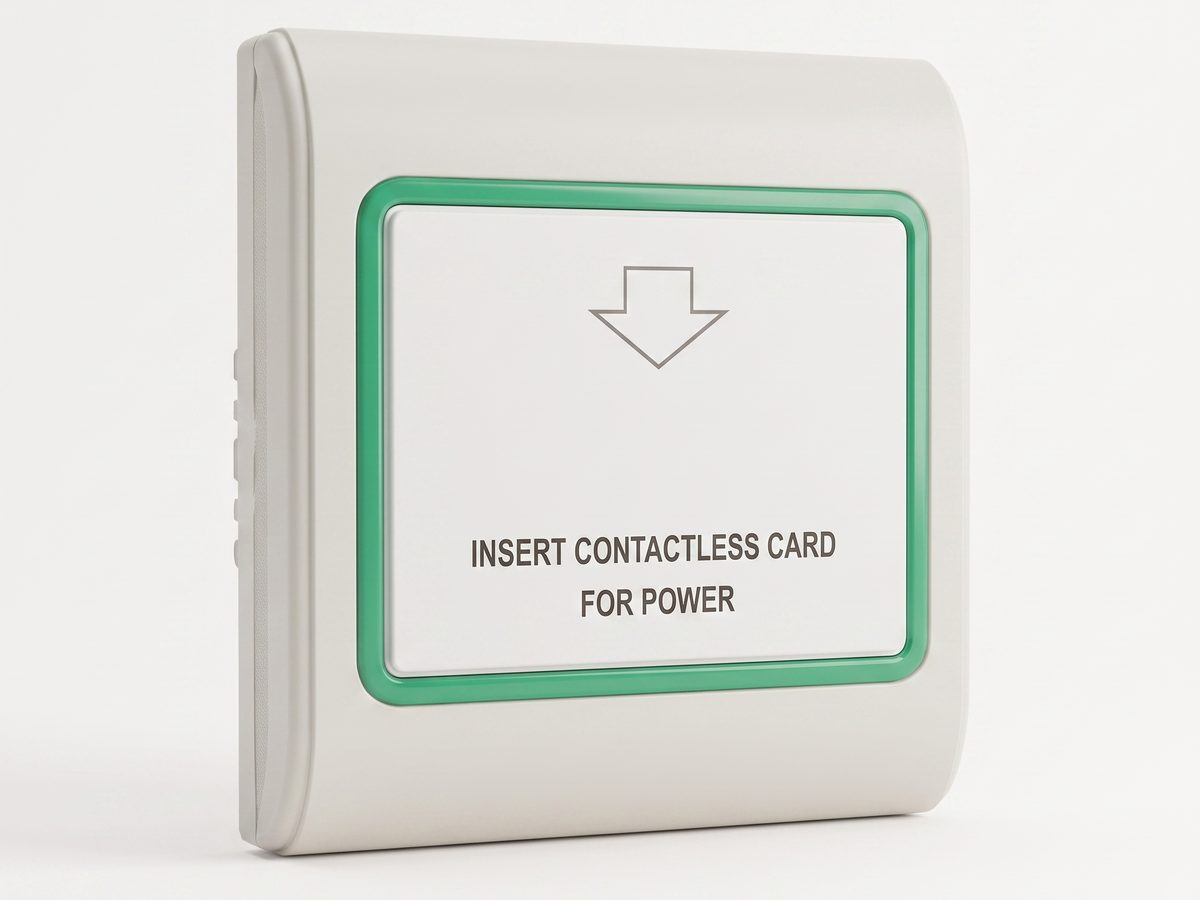
مفتاح بطاقة لاسلكي — بطارية أو طاقة حافلة لتجديد الفنادق
مفتاح بطاقة فندقي لاسلكي لمشاريع التجديد. خيار استيقاظ منخفض التردد أو RS485 لاسلكي، خيار يعمل بالبطارية لتجنب إعادة التمديد، تحكم في طاقة الغرفة دون تمديد كابلات جديدة. معتمد CE RoHS. مورد OEM/ODM.
تشير هذه الصفحة بالفعل إليه كمرجع تالٍ موصى به.
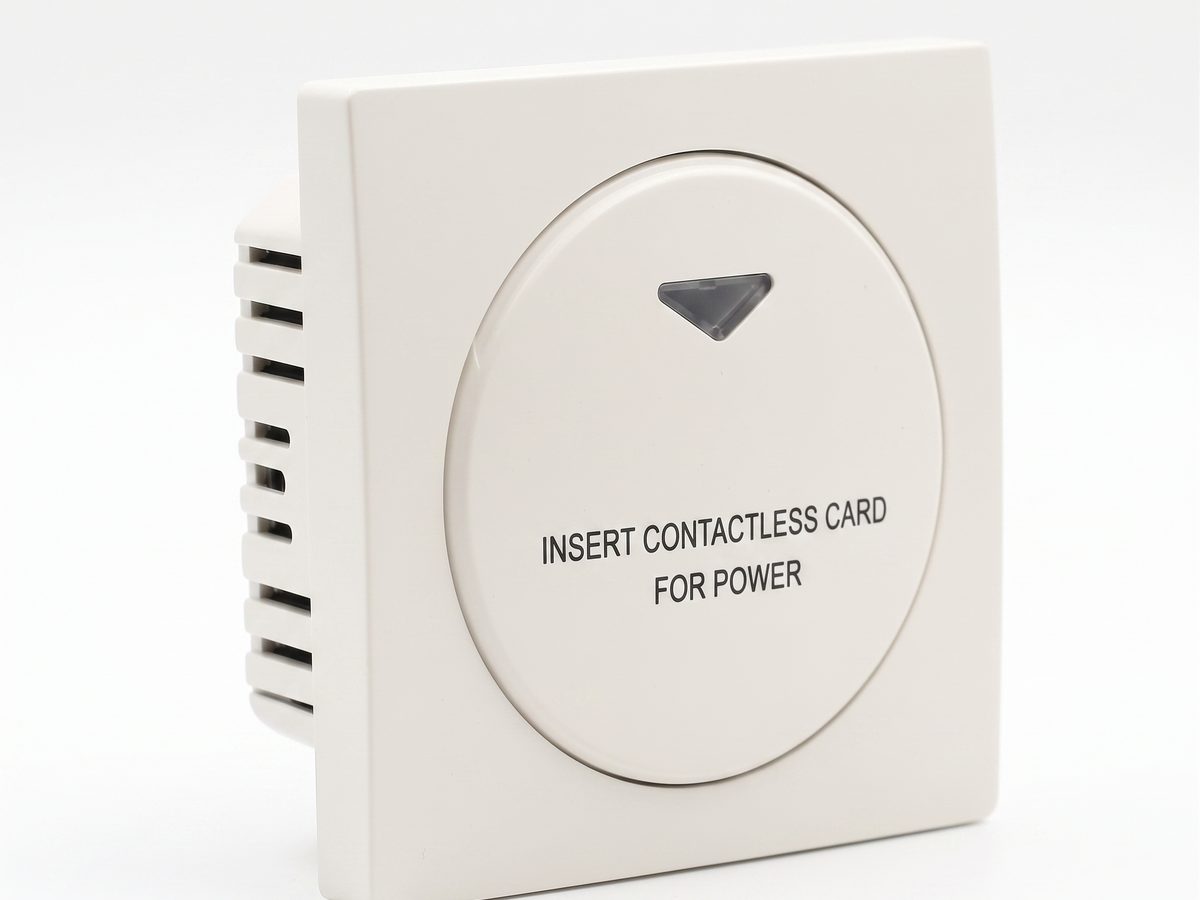
مفتاح بطاقة الفندق — التحكم في طاقة غرفة الضيوف
مفتاح بطاقة الفندق للتحكم في طاقة غرفة الضيوف. كشف بطاقة RFID/IC، إدخال البطاقة لتشغيل الطاقة، فصل الطاقة بتأخير زمني عند إزالة البطاقة. تيار متردد 220 فولت، 10A-16A، RS485 أو تلامس جاف. CE RoHS. مورد OEM/ODM.
تشير هذه الصفحة بالفعل إليه كمرجع تالٍ موصى به.
حلول ذات صلة
3نظام إدارة الغرف الفندقية القائم على التحكم بالطاقة عبر البطاقة
نظام عملي لإدارة الغرف الفندقية للتحكم في طاقة الغرفة عبر مفاتيح البطاقة، والموصلات، وقواعد التشغيل الموثقة بوضوح.
إنه يدعم نفس سياق المنتج: مفتاح بطاقة الفندق — التحكم في طاقة غرفة الضيوف.
توفير طاقة الفندق باستخدام مفتاح تشغيل غرفة الضيوف
حل لتوفير طاقة الفندق يستخدم تشغيل الغرفة المتحكم به بالبطاقة لمنع الأضواء وتكييف الهواء والمآخذ المختارة من العمل دون داعٍ.
إنه يدعم نفس سياق المنتج: مفتاح بطاقة الفندق — التحكم في طاقة غرفة الضيوف.
التحكم في طاقة غرفة الفندق باستخدام مفاتيح البطاقات
حل عملي للتحكم في طاقة غرفة الفندق لتشغيل إضاءة وتكييف ومنافذ غرفة الضيوف من بطاقة غرفة مصرح بها.
إنه يدعم نفس سياق المنتج: مفتاح بطاقة الفندق — التحكم في طاقة غرفة الضيوف.
مقالات المدونة ذات الصلة
3
مفتاح بطاقة الفندق: الأنواع، الموديلات، وكيفية المواصفات
يغطي مفتاح بطاقة الفندق موديلات العام، RFID، TTLOCK، BLE، والإشغال. يرشدك هذا الدليل لعائلة مفتاح البطاقة المصطلحات الرئيسية والمواصفات.
إنه يدعم نفس سياق المنتج: مفتاح بطاقة الفندق — التحكم في طاقة غرفة الضيوف.
RFID vs NFC لمفاتيح بطاقات الفنادق: أي تقنية بطاقة تختار؟
يعتمد الاختيار بين RFID و NFC لمفاتيح بطاقات الفنادق على المدى والقفل: RFID بتردد 125 كيلوهرتز / 13.56 ميجاهرتز (MIFARE، Temic) هو المعيار الفندقي لتغذية الغرف
إنه يدعم نفس سياق المنتج: مفتاح بطاقة الفندق — التحكم في طاقة غرفة الضيوف.
ما هو مفتاح بطاقة الفندق وكيف يوفر طاقة الغرفة
مفتاح بطاقة الفندق هو جهاز حائطي يشغل غرفة الضيف عند إدخال البطاقة ويفصل التيار عند سحبها، مما يوفر عادةً 25-40% من كهرباء الغرفة.
إنه يدعم نفس سياق المنتج: مفتاح بطاقة الفندق — التحكم في طاقة غرفة الضيوف.
حدد مشروع فندقك مع مهندسينا
أخبرنا بعدد الغرف ونوع السقف والبروتوكول المفضل. سنعود إليك بخطة عينات وعرض سعر خلال 24 ساعة عمل.
- انتقل من الإرشادات العامة إلى نقاش حول المنتج أو التطبيق.
- استخدم RFQ عندما يحتاج التسعير أو الرسومات أو MOQ أو توقيت الإطلاق إلى هيكلة.
- أبقِ مسار اتصال مباشر ظاهرًا للتوضيحات السريعة والتسليم.